The Geological Marvel: Where Ice and Fire Collide
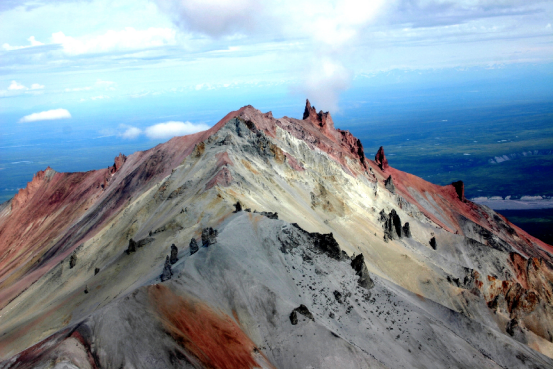
The visual splendor of a snow-capped mountain often conceals a turbulent and violent geological history. When we observe these pristine white peaks, we are frequently looking at dormant or active stratovolcanoes where the extreme forces of geothermal heat and glacial ice exist in a delicate, paradoxical balance. This collision of ice and fire creates some of the most dynamic and rapidly changing landscapes on planet Earth, offering a living laboratory for geologists and a breathtaking spectacle for adventurers.
Understanding the subterranean forces at play is essential to grasping the true nature of these mountains. Magma chambers boiling miles beneath the surface project immense thermal energy upward, while massive ice caps and glaciers exert millions of tons of downward pressure. This constant interaction shapes the topography, dictates the flow of meltwater, and ultimately determines the ecological viability of the surrounding regions.
Volcanic Foundations Beneath the Frost
Many of the world’s most iconic snow-covered mountains, such as Mount Rainier in the United States or Eyjafjallajökull in Iceland, are stratovolcanoes. These mountains are built from sequential outpourings of lava, ash, and pumice over hundreds of thousands of years. The immense altitude achieved by these volcanic cones pushes them high into the troposphere, where atmospheric moisture freezes to form permanent glaciers.
- Geothermal Anomalies: In areas where magma sits relatively close to the surface, geothermal heat can melt the underside of glaciers, creating vast subglacial lakes and intricate ice cave systems that are constantly shifting.
- Fumaroles and Ice Towers: Volcanic gases escaping through vents (fumaroles) can melt through the snowpack, creating towering chimneys of ice as the steam freezes upon contact with the frigid surface air.
- Jökulhlaups (Glacial Outburst Floods): When subglacial volcanic activity rapidly melts massive volumes of ice, the resulting water can breach the ice dam, causing catastrophic and sudden floods that reshape valleys in a matter of hours.

Extreme Ecosystems: The Animal World in Snow Mountains
Despite the punishing cold, fierce winds, and low oxygen levels, snow-covered mountains are not barren wastelands. They host highly specialized ecosystems where wildlife has evolved extraordinary mechanisms to survive and thrive. The animal world in the snow mountains represents the pinnacle of evolutionary resilience, featuring a complex food web that relies on precise seasonal timing and spatial adaptation.
From the apex predators that stalk the craggy ridges to the small mammals that burrow beneath the insulating snowpack, every organism plays a critical role in maintaining the fragile alpine balance. The scarcity of resources means that competition is fierce, and the margin for error is virtually nonexistent. Studying these creatures provides profound insights into biological adaptability and the limits of life on Earth.
Apex Predators of the High Altitudes
The undisputed ghost of the mountains is the snow leopard. Roaming the high altitudes of Central and South Asia, this solitary predator is perfectly engineered for the alpine environment. Its survival dictates the health of the entire ecosystem, as it regulates the populations of large herbivores like blue sheep and ibex.
Other formidable predators include the wolverine in the Northern Hemisphere and various species of high-altitude eagles and hawks. These predators must cover vast territories to secure enough calories, making them highly vulnerable to habitat fragmentation and climate change.

The Anatomy of Alpine Survival: How Wildlife Adapts
Survival in the snow mountains requires more than just a thick coat of fur. The evolutionary adaptations seen in alpine wildlife span morphological, physiological, and behavioral dimensions. These traits allow animals to navigate treacherous terrain, extract oxygen from thin air, and conserve thermal energy during prolonged blizzards.
Understanding these adaptations reveals the intricate connection between biology and geography. Animals must not only survive the winter but also maximize the brief summer months to reproduce and store enough energy for the coming freeze.
Physiological and Morphological Marvels
The physical changes that alpine animals have undergone over millennia are staggering. Every anatomical feature serves a specific survival function, stripped of any evolutionary excess.
- Oxygen Efficiency: High-altitude animals like the yak and the Andean condor possess specialized hemoglobin that binds oxygen more efficiently, allowing them to function at altitudes where humans would suffer from severe hypoxia.
- Thermal Insulation: The dense underfur of the snow leopard and the hollow hair shafts of the mountain goat trap a layer of warm air against the skin, providing unparalleled insulation against sub-zero temperatures.
- Terrain Navigation: Mountain goats and bighorn sheep feature specialized hooves with hard outer rims for digging into ice and soft, rubbery pads in the center for gripping slick rock faces, allowing them to scale near-vertical cliffs to escape predators.

The Joy of Hiking: Finding Tranquility at High Altitudes
Beyond the scientific and ecological wonders, snow-covered mountains offer a profound sanctuary for the human spirit. The joy of hiking in these elevated realms is deeply rooted in the contrast between the intense physical exertion required to ascend and the absolute tranquility found at the summit. In an increasingly noisy and hyper-connected world, the alpine environment provides a rare space of profound silence and majestic isolation.
This psychological phenomenon is often referred to as the “alpine state of mind.” The rhythmic nature of walking, the crisp, unpolluted air, and the sheer scale of the landscape trigger a reduction in cortisol levels and promote a deep sense of mindfulness. Hikers often report a dissolution of everyday anxieties, replaced by an acute awareness of the present moment and a humbling perspective on humanity’s place in the natural order.
The Psychological Benefits of Alpine Immersion
Mountaineering and high-altitude hiking are not merely physical pursuits; they are moving meditations. The necessity to focus entirely on foot placement, breathing, and route-finding forces the mind to abandon extraneous worries. This enforced mindfulness is a potent antidote to modern stress.
Furthermore, the visual aesthetics of the snow mountains—the stark contrast of white snow against blue skies, the alpenglow at dawn and dusk, and the sprawling vistas—stimulate the brain’s reward centers. This connection to sublime natural beauty fosters a deep-seated sense of peace and emotional rejuvenation that hikers carry with them long after they have descended to the valleys.

Confronting the Elements: Challenges of Mountain Trekking
While the rewards of mountain hiking are immense, the challenges are equally formidable. The alpine environment is inherently hostile to human life, and the transition from tranquility to life-threatening danger can occur in a matter of minutes. Confronting these elements requires rigorous preparation, deep respect for the mountain, and a comprehensive understanding of the objective hazards involved.
Altitude, weather, and terrain form a triad of challenges that every hiker must navigate. Ignoring any one of these factors can lead to disastrous consequences. The successful mountaineer is not the one who conquers the mountain, but the one who understands how to adapt to its unyielding conditions.
Navigating Objective Hazards
Objective hazards are dangers inherent to the mountain environment, independent of the hiker’s skill level. Recognizing and mitigating these risks is the foundation of alpine safety.
- Acute Mountain Sickness (AMS): As barometric pressure drops, less oxygen is available per breath. Symptoms can range from mild headaches and nausea to fatal conditions like High Altitude Pulmonary Edema (HAPE) and High Altitude Cerebral Edema (HACE).
- Unpredictable Weather Systems: Mountains create their own microclimates. A clear, sunny morning can rapidly deteriorate into a whiteout blizzard with hurricane-force winds. Rapid temperature drops increase the risk of hypothermia and frostbite.
- Glacial Navigation and Avalanches: Traveling over snow-covered glaciers introduces the hidden danger of crevasses. Furthermore, understanding snowpack stability is crucial to avoiding avalanches, which are responsible for the majority of mountaineering fatalities.

Comprehensive Preparation for Snow Mountain Expeditions
Success and safety in the snow mountains begin months before the actual ascent. Comprehensive preparation encompasses physical conditioning, technical skill acquisition, and meticulous logistical planning. The alpine environment exposes any weakness in preparation, making a structured approach to training absolutely vital for anyone looking to push their limits at high altitudes.
Physical fitness alone is insufficient; it must be coupled with technical proficiency in using specialized gear, reading the weather, and executing self-rescue techniques. A well-prepared hiker approaches the mountain with a margin of safety that allows them to enjoy the experience rather than merely surviving it.
Physical Conditioning and Acclimatization
Training for high-altitude trekking requires a periodized approach that builds cardiovascular endurance, muscular strength, and mental tenacity. Because the air is thin, the cardiovascular system must be highly efficient at delivering oxygen to working muscles.
Acclimatization is arguably the most critical aspect of preparation. The golden rule of “climb high, sleep low” dictates the ascent profile. Hikers must intentionally expose themselves to higher altitudes during the day and return to a lower elevation to sleep, stimulating the body’s production of red blood cells without overtaxing the system. Ignoring acclimatization schedules is the primary reason expeditions fail.

Essential Gear Systems for Alpine Environments
In the unforgiving realm of snow-covered peaks, your gear is your life support system. The philosophy of alpine packing revolves around the concept of layering and multi-functionality. Every ounce carried must justify its weight, yet skimping on critical safety equipment can be fatal. Understanding how different gear systems interact is crucial for maintaining core temperature, staying dry, and moving efficiently over technical terrain.
The foundation of alpine comfort is the layering system, which allows hikers to dynamically adjust their insulation based on their exertion level and the ambient conditions. Sweating in sub-zero temperatures is highly dangerous, as moisture rapidly conducts heat away from the body when exertion stops.
The Anatomy of an Alpine Kit
Selecting the right equipment requires balancing weight, durability, and performance. Below is a comprehensive breakdown of how gear requirements shift based on the altitude and environmental zone.
| Alpine Zone | Altitude Range | Core Clothing System | Technical Equipment Required |
|---|---|---|---|
| Subalpine | 8,000 – 11,000 ft | Merino base layers, softshell pants, lightweight fleece. | Sturdy trekking boots, trekking poles, micro-spikes. |
| Alpine Tundra | 11,000 – 14,000 ft | Hardshell jacket/pants, mid-weight down insulator. | Crampons, basic ice axe, 4-season tent, zero-degree sleeping bag. |
| Glacial / High Peak | 14,000+ ft | Expedition down suit, vapor barrier liners, double boots. | Technical ice tools, ropes, crevasse rescue kit, avalanche beacon. |

The Intersection of Human Adventure and Wildlife Conservation
As the popularity of high-altitude hiking and mountaineering continues to surge, the human footprint on these pristine environments is expanding. The intersection of human adventure and alpine ecology presents a complex challenge: how do we facilitate the joy and profound experiences of mountain exploration while protecting the highly sensitive flora and fauna that call these peaks home? The answer lies in rigorous conservation ethics and sustainable trekking practices.
Alpine ecosystems are notoriously slow to recover from damage. A footprint in alpine moss can take decades to heal, and the disruption of wildlife corridors by hiking trails can severely impact the mating and feeding habits of endangered species. Consequently, every adventurer bears the responsibility of being an active steward of the mountains.
Practicing Leave No Trace in the Snow
The principles of Leave No Trace (LNT) must be strictly adhered to and adapted for winter and high-altitude environments. The cold temperatures inhibit the decomposition of human waste and trash, meaning that anything left behind will remain preserved in the snowpack for years.
- Waste Management: In glaciated and high-alpine environments, hikers must pack out all solid human waste using specialized “blue bags.” Burying waste is unacceptable, as it will inevitably melt out and contaminate the watershed.
- Respecting Wildlife Corridors: Winter is a time of extreme caloric deficit for alpine animals. Forcing an animal to flee by approaching too closely burns precious energy reserves that could be the difference between life and death. Always observe wildlife from a distance using binoculars.
- Campfire Prohibition: In subalpine and alpine zones, wood is scarce and essential for soil nutrient cycling. Campfires are strictly prohibited; all cooking must be done on efficient, self-contained liquid fuel or isobutane stoves.
Frequently Asked Questions (FAQ)
- What is the difference between a glacier and a snowfield?
- A snowfield is a permanent or semi-permanent accumulation of snow and ice that does not move. A glacier, however, is a massive body of dense ice that is constantly moving under its own weight due to gravity. Glaciers feature deep crevasses and shape the underlying geology through erosion, whereas snowfields are generally static.
- How do alpine animals find water during the deep winter freeze?
- Many alpine animals fulfill their hydration needs by consuming snow. However, melting snow internally requires a significant amount of caloric energy. To minimize this energy loss, some species rely on the moisture content found in the dormant vegetation they forage, or they seek out geothermal springs and fast-moving streams that resist freezing.
- What is the best way to prevent Acute Mountain Sickness (AMS)?
- The most effective method to prevent AMS is a slow, gradual ascent that allows your body time to acclimatize. Experts recommend not increasing your sleeping elevation by more than 1,000 to 1,500 feet per day once above 10,000 feet. Staying highly hydrated, consuming adequate carbohydrates, and avoiding alcohol are also critical preventative measures.
- Why are volcanic mountains often covered in glaciers?
- Volcanic mountains, particularly stratovolcanoes, often reach extreme elevations that push them well above the permanent snowline. Because they are frequently isolated peaks rather than part of a continuous ridge, they catch moisture-laden weather systems from all directions. This high precipitation at freezing altitudes results in massive glacial accumulations, despite the geothermal heat deep within.
- What makes a layering system effective for snow mountain hiking?
- An effective layering system manages moisture and traps heat through three distinct layers: a base layer (usually merino wool or synthetic) that wicks sweat away from the skin; a mid-layer (fleece or down) that traps body heat to provide insulation; and an outer shell (Gore-Tex or similar) that blocks wind and precipitation while allowing internal moisture to vent.