Often misunderstood and historically undervalued, wetland and swamp ecosystems are among the most productive and biologically diverse environments on Earth. They are the critical intersection of land and water, acting as natural sponges, purifiers, and nurseries for countless species. This guide delves into the profound importance of these “sources of life,” exploring their structure, function, the threats they face, and the urgent need for their conservation.
What Defines a Wetland Ecosystem?
A wetland is an area of land that is either covered by water or saturated with water, either permanently or seasonally. This saturation fundamentally determines the nature of the soil development and the types of plant and animal communities living in and on it. The prolonged presence of water creates conditions that favor the growth of specially adapted plants (hydrophytes) and promote the development of characteristic wetland (hydric) soils.
The Three Pillars of a Wetland
To be classified as a wetland, an area must exhibit one or more of these core attributes:
- Hydrology: The area is saturated with or covered by water at some point during the growing season. This water regime is the dominant force shaping the ecosystem.
- Hydric Soils: The soils are distinct from those of surrounding uplands. They are typically anaerobic (lacking oxygen) due to being saturated with water for long periods.
- Hydrophytic Vegetation: The plant life is dominated by species that are adapted to thrive in wet conditions. Plants like cattails, water lilies, and cypress trees are classic examples.

The Critical Ecological Functions of Wetlands
Wetlands are far more than just soggy ground; they perform essential functions that benefit both the environment and human society. Their immense value has earned them titles like “the Earth’s kidneys” and “biological supermarkets.”
Natural Water Purifiers
As water flows through a wetland, the dense plant life slows it down, causing sediments and pollutants to settle out. The hydric soils and microorganisms act as natural filters, trapping and breaking down harmful pollutants, excess nutrients from fertilizers, and other contaminants. This process significantly improves water quality downstream.
Flood and Storm Surge Protection
Wetlands act as natural sponges, absorbing and storing vast amounts of rainwater and runoff from melting snow. This ability to hold water helps to reduce the severity of floods and droughts. Coastal wetlands, such as salt marshes and mangrove swamps, are particularly crucial as they buffer coastlines from storm surges and erosion caused by hurricanes and other severe weather.
Biodiversity Hotspots
Wetlands provide a habitat for an astonishingly diverse range of species. They are vital for migratory birds, which use them for resting and feeding. They serve as nurseries for many species of fish and amphibians. Mammals, reptiles, and insects also depend on these rich ecosystems for food, water, and shelter.

Exploring the Main Types of Wetlands
While all wetlands share the common trait of water saturation, they vary greatly in their characteristics. The four main types are swamps, marshes, bogs, and fens, each with a unique profile.
Swamps: The Forested Wetlands
Swamps are wetlands dominated by woody plants, such as trees and shrubs. They are often found along rivers and in low-lying freshwater basins. The water in swamps can be slow-moving and rich in nutrients, supporting trees like cypress, tupelo, and mangrove.
Marshes: The Grassy Wetlands
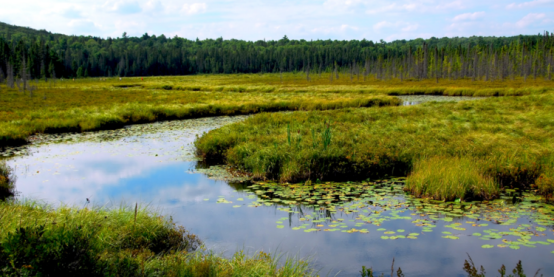
Marshes are characterized by emergent, soft-stemmed vegetation like cattails, reeds, and sedges. Unlike swamps, they do not have a significant tree canopy. Marshes can be freshwater, saltwater, or brackish and are incredibly productive ecosystems, teeming with bird and fish life.
Bogs: The Acidic Peatlands
Bogs are distinctive wetlands that accumulate deposits of dead plant material, known as peat. They are characterized by acidic, oxygen-poor water and are low in nutrients. Bogs receive most of their water from precipitation rather than runoff, and support unique, acid-loving vegetation like sphagnum moss and carnivorous plants.
Fens: The Alkaline Peatlands
Like bogs, fens are also peat-forming wetlands. However, they differ in that they receive water from groundwater sources, which makes them less acidic and higher in nutrients than bogs. This supports a more diverse plant community, including sedges, wildflowers, and some shrubs.
| Wetland Type | Dominant Vegetation | Water Source | Acidity (pH Level) |
|---|---|---|---|
| Swamp | Trees & Shrubs (e.g., Cypress, Mangrove) | Rivers, Streams, Surface Runoff | Slightly Acidic to Neutral |
| Marsh | Grasses & Reeds (e.g., Cattails) | Rivers, Streams, Surface Runoff | Neutral to Alkaline |
| Bog | Sphagnum Moss, Peat | Precipitation (Rainfall) | Highly Acidic |
| Fen | Sedges, Grasses, Wildflowers | Groundwater | Neutral to Alkaline |

Threats Facing Our Vital Wetland Ecosystems
Despite their immense value, wetlands are one of the most threatened ecosystems on the planet. Historically viewed as wastelands, vast areas have been destroyed, and the remaining ones face ongoing pressures.
Drainage and Land Conversion
The primary threat to wetlands has been their conversion for other uses. They are often drained and filled to create agricultural land, or for urban and industrial development. This complete removal of the ecosystem results in an irreversible loss of all its functions.
Pollution and Water Contamination
Runoff from agricultural fields, industrial sites, and urban areas carries pollutants like pesticides, heavy metals, and excess nutrients into wetlands. This contamination can harm or kill wetland species and disrupt the delicate ecological balance, impairing the wetland’s ability to filter water.
Climate Change and Altered Hydrology
Climate change poses a significant threat through altered weather patterns. Increased frequency of droughts can dry out wetlands, while rising sea levels can inundate and destroy coastal wetlands like salt marshes. Changes in precipitation can fundamentally alter the hydrology that is the lifeblood of these ecosystems.

Expert Advice for Wetland Conservation and Restoration
Protecting our remaining wetlands and restoring those that have been degraded is a critical environmental priority. This requires a combination of policy, community action, and individual responsibility.
Pro Tips for Supporting Wetland Health
- Reduce Water Usage: Conserving water at home reduces the strain on water supplies, which helps maintain the natural water levels needed by local wetlands.
- Avoid Harmful Chemicals: Use non-toxic, phosphate-free detergents and cleaning products. On your lawn and garden, avoid using pesticides and chemical fertilizers that can run off into local waterways.
- Participate in Local Cleanups: Join or organize cleanup events for local streams, rivers, or wetlands. Removing trash and debris helps improve the habitat for wildlife.
- Support Conservation Organizations: Donate to or volunteer with organizations dedicated to wetland protection and restoration. They play a crucial role in policy advocacy, land acquisition, and hands-on restoration projects.
- Educate Others: Share your knowledge about the importance of wetlands with friends, family, and your community. Increased public awareness is a powerful driver for conservation action.
Frequently Asked Questions (FAQ)
- What is the main difference between a swamp and a marsh?
- The primary difference is the dominant vegetation. Swamps are forested wetlands, characterized by trees and shrubs. Marshes, on the other hand, are dominated by non-woody, herbaceous plants like grasses, reeds, and cattails.
- Why are wetlands often called the “kidneys of the Earth”?
- This metaphor refers to their incredible ability to filter water. Just as kidneys filter waste from blood, wetlands filter pollutants, sediments, and excess nutrients from water that flows through them, leading to cleaner rivers, lakes, and groundwater.
- Are all wetlands freshwater?
- No, wetlands can be freshwater, saltwater, or brackish (a mix of fresh and salt water). Freshwater wetlands include swamps, marshes, bogs, and fens. Saltwater wetlands, found along coastlines, include salt marshes and mangrove swamps.
- How does climate change affect wetlands?
- Climate change impacts wetlands in several ways. Sea-level rise can drown coastal wetlands. Increased temperatures can alter species composition and increase water evaporation. Changes in rainfall patterns can lead to either prolonged droughts that dry out wetlands or extreme flooding that damages them.
- Can drained wetlands be restored?
- Yes, wetland restoration is possible and is a growing field in conservation. It often involves removing drainage structures, re-establishing natural water flow, and replanting native vegetation. While a restored wetland may take many years to fully replicate the complexity of a natural one, these projects can successfully bring back many of the vital ecological functions.