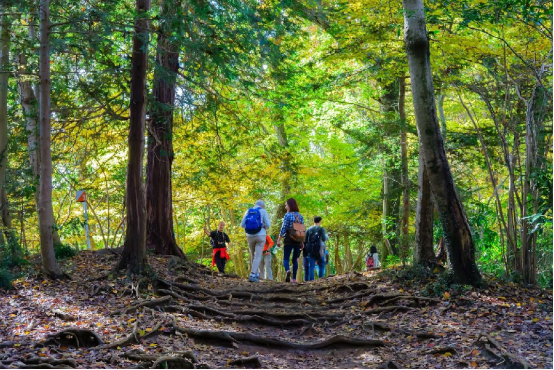
The allure of forests has captivated humanity for millennia. These ancient, verdant cathedrals offer a sanctuary from the modern world, a place where the air is cleaner, the sounds are natural, and the spirit can find renewal. Hiking through a forest is not merely an exercise; it’s an intimate dialogue with nature, a chance to reconnect with the rhythms of the earth and discover profound beauty in the intricate details of the natural world. This guide explores some of the planet’s most exquisite forest hiking routes, delving into what makes them special and how to best experience their magic.
Why Forest Hikes Are Uniquely Captivating
Forests are complex, dynamic ecosystems that offer a sensory experience unlike any other. The dappled sunlight filtering through a dense canopy, the earthy scent of damp soil and decaying leaves, the symphony of birdsong and rustling leaves – all these elements combine to create an immersive and deeply restorative environment. Beyond the aesthetic appeal, scientific research has increasingly highlighted the profound physical and mental health benefits associated with spending time in forests, a practice often referred to as “forest bathing” or Shinrin-yoku.
The Science of Forest Bathing (Shinrin-yoku)
Originating in Japan, Shinrin-yoku is the practice of mindfully immersing oneself in the forest atmosphere. It’s not about strenuous exercise but about slowing down, engaging the senses, and absorbing the natural environment. Studies have shown that forest bathing can reduce stress hormones like cortisol, lower blood pressure, boost immune function by increasing the number of natural killer cells, and improve mood and cognitive function. The release of phytoncides, antimicrobial volatile organic compounds from trees, is believed to be a key factor in these health benefits.

Exploring the World’s Most Beautiful Forest Hiking Routes
While beauty is subjective, certain forest trails consistently rank among the most breathtaking globally, offering diverse landscapes and unique ecological wonders. These routes not only provide challenging or leisurely hikes but also serve as gateways to understanding the intricate relationships within forest ecosystems.
Iconic Forest Trails and Their Charms
From the ancient temperate rainforests of the Pacific Northwest to the mystical cloud forests of South America, each route offers a distinct experience. Consider the lush, moss-draped trails of the Hoh Rainforest in Olympic National Park, USA, where towering Sitka spruce and Western hemlock create an otherworldly atmosphere. Or venture to the ancient redwood forests of California, where giants like the General Sherman Tree inspire awe. In Europe, the Black Forest in Germany offers a romantic and historic hiking experience, while the ancient forests of Białowieża in Poland and Belarus, one of the last primeval forests in Europe, teem with unique biodiversity.
Unique Ecosystems and Biodiversity
The appeal of these routes lies not just in their visual splendor but also in the rich biodiversity they harbor. These forests are often home to endemic species, rare flora, and a complex web of life. Understanding the specific ecological characteristics of a forest – whether it’s a boreal forest with its hardy conifers, a temperate deciduous forest with its seasonal color changes, or a tropical rainforest with its incredible density of species – enhances the hiking experience and fosters a deeper appreciation for conservation efforts.

Planning Your Forest Hiking Adventure
Embarking on a forest hike requires thoughtful preparation to ensure safety, enjoyment, and minimal impact on the environment. Understanding the terrain, weather, and necessary gear is crucial for a successful and memorable experience.
Essential Gear and Preparation Checklist
Before setting foot on a forest trail, ensure you have the following:
- Appropriate Footwear: Sturdy, waterproof hiking boots with good ankle support are essential.
- Layered Clothing: Weather in forests can change rapidly. Pack moisture-wicking base layers, insulating mid-layers, and a waterproof/windproof outer shell.
- Navigation Tools: A map, compass, and/or GPS device are critical, especially on less-trafficked trails.
- Water and Snacks: Carry more water than you think you’ll need, along with high-energy snacks.
- First-Aid Kit: Include essentials like bandages, antiseptic wipes, pain relievers, and any personal medications.
- Insect Repellent and Sunscreen: Protect yourself from biting insects and UV rays.
- Headlamp or Flashlight: Even for day hikes, it’s wise to have a light source in case of unexpected delays.
- Trekking Poles: Can help with balance and reduce strain on joints, especially on uneven terrain.
Understanding Trail Difficulty and Etiquette
Forest trails vary significantly in difficulty, from gentle, well-maintained paths to rugged, challenging ascents. Always research the trail’s length, elevation gain, and technicality before you go. Familiarize yourself with Leave No Trace principles to preserve the natural environment. This includes staying on marked trails, packing out all trash, respecting wildlife, and minimizing campfire impacts.

Pro Tips for Deepening Your Forest Connection
To truly maximize the benefits and enjoyment of your forest hike, consider these expert recommendations:
- Go Slow and Be Present: Resist the urge to rush. Walk at a pace that allows you to observe the details – the texture of bark, the patterns of moss, the movement of small creatures.
- Engage All Your Senses: Actively listen to the sounds, smell the aromas, feel the textures of leaves and bark, and observe the play of light and shadow.
- Disconnect to Reconnect: Minimize the use of your phone or other devices. Let the forest be your primary focus.
- Visit During Different Seasons: Each season offers a unique perspective on a forest. Spring brings new growth, summer offers lush greenery, autumn provides a spectacular display of colors, and winter can reveal the skeletal beauty of the trees.
- Consider Guided Walks: A knowledgeable guide can point out ecological details, medicinal plants, and historical significance that you might otherwise miss.

Frequently Asked Questions (FAQ)
- What is the primary benefit of hiking in a forest?
- The primary benefit is the profound positive impact on mental and physical well-being. This includes reduced stress and anxiety, improved mood, lower blood pressure, enhanced immune function, and increased cognitive function, largely attributed to the practice of forest bathing and exposure to phytoncides from trees.
- How can I best prepare for a forest hike?
- Thorough preparation involves researching the trail’s difficulty, checking the weather forecast, packing appropriate gear (sturdy footwear, layered clothing, navigation tools, first-aid kit, water, and snacks), and understanding Leave No Trace principles to ensure minimal environmental impact.
- Are there specific times of year that are better for forest hiking?
- Each season offers a unique experience. Spring is ideal for witnessing new growth and wildflowers, summer for lush landscapes, autumn for vibrant foliage, and winter for a stark, peaceful beauty and the chance to see animal tracks. The “best” time often depends on personal preference and the specific forest’s seasonal highlights.
- What are “phytoncides” and how do they affect us?
- Phytoncides are antimicrobial volatile organic compounds derived from trees. When inhaled during forest bathing, they are believed to enhance immune function by increasing the activity of natural killer (NK) cells, which are crucial for fighting infections and tumors. They also contribute to the calming and restorative effects of forests.
- How can I ensure I don’t get lost on a forest trail?
- To avoid getting lost, always carry and know how to use a map and compass or a reliable GPS device. Stay on marked trails, inform someone of your hiking plans and expected return time, and pay attention to trail markers and landmarks. If you do become disoriented, stay calm, stay put, and try to retrace your steps if possible.