Forests are far more than just collections of trees; they are vibrant, intricate ecosystems teeming with life, where every organism plays a crucial role in maintaining a delicate balance. These complex natural systems support an astonishing array of flora and fauna, each equipped with remarkable adaptations that enable survival in diverse environmental conditions. From the towering canopy of a rainforest to the nutrient-rich floor of a temperate forest, these biomes are indispensable for global ecological health, climate regulation, and human well-being. Understanding their components, interactions, and the threats they face is paramount to appreciating their true value and ensuring their preservation.
The Foundation of Life: Forest Flora and Fungi
The botanical and fungal life forms constitute the bedrock of any forest ecosystem, providing structure, energy, and nutrient cycling that sustain all other inhabitants. These organisms exhibit an incredible diversity of forms and functions, each uniquely adapted to its specific niche within the forest environment.
Trees and Plants: Diverse Forms and Functions
Trees are the dominant life forms in forests, defining the canopy, understory, and forest floor layers. Their immense biomass captures solar energy through photosynthesis, forming the base of most forest food webs. Beyond providing habitat, they regulate local climate, prevent soil erosion, and contribute significantly to global oxygen production. The adaptations of forest plants are a testament to evolutionary ingenuity.
- Light Acquisition: In dense forests, competition for sunlight is fierce. Trees grow tall to reach the canopy, while understory plants develop large leaves to maximize light absorption in shaded conditions. Some, like epiphytes in rainforests, grow on other plants to access sunlight without needing soil.
- Water Management: Plants in drier forests, such as some temperate or boreal regions, may have thick bark or needle-like leaves to reduce water loss. In contrast, rainforest plants often have drip-tips on their leaves to shed excess water, preventing fungal growth.
- Nutrient Cycling: Deciduous trees shed leaves annually, returning valuable nutrients to the soil, while evergreens retain leaves, allowing for continuous photosynthesis even in colder months, though often with slower growth rates.
- Seed Dispersal: Many forest plants rely on animals (frugivores) for seed dispersal, developing fruits that are attractive and nutritious, ensuring their offspring can colonize new areas.

Mushrooms: Ecological Guardians and Nutrient Recyclers
Often overlooked, fungi, particularly mushrooms, are the unsung heroes of forest ecosystems. They play an absolutely critical role in decomposition, nutrient cycling, and facilitating plant growth. Without their tireless work, forests would be choked with dead organic matter, and vital nutrients would remain locked away, inaccessible to plants.
- Role as Decomposers: Fungi are primary decomposers, breaking down dead wood, leaves, and animal remains into simpler organic compounds. This process, known as saprophytism, returns essential nutrients like carbon, nitrogen, and phosphorus back to the soil, making them available for uptake by plants and other organisms. For instance, species like the “Turkey Tail” (Trametes versicolor) are prolific wood-decomposers, efficiently breaking down tough lignin.
- Mycorrhizal Relationships: A vast majority of forest plants, especially trees, form symbiotic relationships with fungi called mycorrhizae. The fungal hyphae extend far beyond the plant roots, greatly increasing the plant’s ability to absorb water and nutrients, particularly phosphorus and nitrogen, from the soil. In return, the plant provides the fungus with carbohydrates produced during photosynthesis. This mutualistic exchange is fundamental for forest health and productivity.
- Food Source and Medicinal Value: Many mushrooms serve as a crucial food source for various forest animals, including deer, squirrels, insects, and even humans. Beyond nutrition, numerous fungal species possess significant medicinal properties, with compounds used in traditional and modern medicine, such as the antibiotic penicillin derived from Penicillium molds, or immune-modulating compounds found in reishi (Ganoderma lucidum) and chaga (Inonotus obliquus).

Fauna of the Forest: Adaptations and Interdependencies
The animal kingdom within forests is incredibly diverse, ranging from microscopic insects to large mammals. Each species has evolved a unique set of physical and behavioral adaptations to thrive in the complex forest environment, contributing to the intricate web of life through various interdependencies.
Survival Strategies of Forest Animals
Forest animals employ a wide array of strategies to find food, avoid predators, reproduce, and cope with environmental challenges. These adaptations are often specific to the forest layer they inhabit (canopy, understory, forest floor).
- Camouflage and Mimicry: Many animals use camouflage to blend into their surroundings, such as the spotted coat of a fawn mirroring dappled sunlight, or the bark-like appearance of certain insects. Mimicry, where one species evolves to resemble another, also offers protection.
- Hibernation and Migration: To survive harsh winters or periods of food scarcity, some mammals (e.g., bears, groundhogs) hibernate, entering a state of reduced metabolic activity. Birds and some insects migrate to warmer climates or areas with abundant food resources.
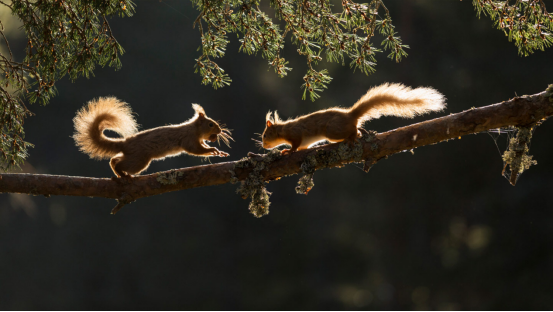
- Specialized Diets and Behaviors: Animals often develop specialized diets, like koalas feeding exclusively on eucalyptus leaves, or woodpeckers extracting insects from tree bark. Nocturnal activity is common for predators and prey alike, allowing them to hunt or forage under the cover of darkness, avoiding daytime heat and predators. Arboreal animals, such as monkeys and sloths, have evolved strong limbs and prehensile tails for navigating the tree canopy.
- Social Structures: Many forest animals live in groups, packs, or colonies, which can offer benefits such as enhanced predator detection, cooperative hunting, and shared care for offspring. Examples include wolf packs, deer herds, and ant colonies.

Predator-Prey Dynamics: Maintaining Ecological Balance
The relationship between predators and their prey is a cornerstone of ecological balance in forests. These interactions drive natural selection, influence population sizes, and shape the overall structure and health of the ecosystem. It’s a dynamic interplay where both sides continuously evolve to outwit the other, leading to a stable, albeit fluctuating, equilibrium.
- Food Webs and Trophic Levels: Forest ecosystems are characterized by complex food webs, illustrating the flow of energy from producers (plants) to various consumers. These consumers are organized into trophic levels: primary consumers (herbivores), secondary consumers (carnivores that eat herbivores), and tertiary consumers (carnivores that eat other carnivores). Predators typically occupy higher trophic levels, regulating the populations below them.
- Keystone Species Concept: Certain predators are considered “keystone species” because their presence has a disproportionately large impact on the ecosystem, far greater than their abundance might suggest. For example, the reintroduction of wolves into Yellowstone National Park significantly altered deer grazing patterns, leading to the regeneration of willow and aspen trees, which in turn supported beaver populations and stabilized riverbanks. This demonstrates how a single predator can cascade positive effects throughout an entire ecosystem.
- Examples of Predator-Prey Relationships:
- Wolves and Deer/Elk: Wolves keep deer and elk populations in check, preventing overgrazing that can degrade forest vegetation. Weaker or sicker animals are often targeted, improving the overall health of the prey population.
- Owls and Rodents: Owls are crucial predators of rodents like mice, voles, and shrews. Their silent flight and acute hearing make them highly effective nocturnal hunters, controlling populations of small herbivores that could otherwise damage young trees and crops.
- Big Cats (e.g., Lynx) and Hares: In boreal forests, the population cycles of Canadian lynx and snowshoe hares are famously intertwined, with lynx populations rising and falling in response to hare availability, and vice-versa.
When predator populations decline, prey populations can explode, leading to overconsumption of vegetation, habitat degradation, and ultimately, a crash in the prey population due to resource scarcity or disease. This highlights the critical role of predators in maintaining forest health and preventing ecological collapse.

Biodiversity Across Forest Biomes: From Eurasian to Rainforest Wonders
Biodiversity, the variety of life on Earth, is exceptionally rich in forest ecosystems. It encompasses the diversity of genes, species, and ecosystems, and its preservation is fundamental to the stability and resilience of our planet. Forests, with their complex structures and myriad niches, are global hotspots of biodiversity, each biome hosting a unique collection of life forms shaped by climate and geography.
Understanding Forest Biodiversity
The sheer number of species and the complexity of their interactions in forests contribute to ecosystem services that are vital for all life. High biodiversity provides resilience against disease, climate change, and other environmental stressors, ensuring the continued functioning of ecological processes.
- Definition and Significance: Biodiversity refers to the variety of living organisms in a given area. In forests, this includes everything from microorganisms in the soil to the largest mammals and trees. Its significance lies in the fact that diverse ecosystems are more productive, resistant to disturbances, and capable of providing a wider range of services, such as clean water, air purification, and timber.
- Threats to Forest Biodiversity: Despite their importance, forest biodiversity faces severe threats globally. Deforestation for agriculture, logging, and urbanization is the primary driver of habitat loss. Climate change alters temperature and precipitation patterns, stressing species beyond their adaptive capacities and increasing the frequency of extreme events like wildfires. Pollution, invasive species, and unsustainable resource extraction further degrade forest health and reduce species richness.

Eurasian Forests: A Tapestry of Life
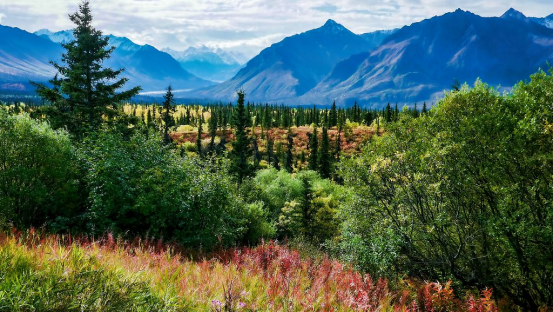
Eurasia, the largest continental landmass, hosts a vast and diverse array of forest types, from the expansive boreal taiga in the north to the temperate deciduous forests and the mixed forests of Central Europe. Each type supports a unique biological community, reflecting regional climate and geological history.
- Specific Flora and Fauna Examples:
- Boreal Forests (Taiga): Dominated by coniferous trees like spruce, pine, and fir, these forests are home to resilient animals such as brown bears, wolves, lynx, moose, and various migratory birds. Adaptations here include thick fur, hibernation, and specialized diets to cope with long, cold winters.
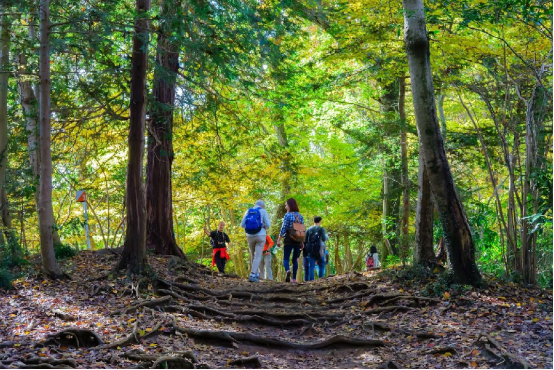
- Temperate Deciduous Forests: Found in regions with distinct seasons, these forests feature broadleaf trees like oak, beech, maple, and elm. They support diverse fauna including deer, wild boar, foxes, badgers, and a rich insect and bird life, many of which adapt through hibernation or migration during winter.
- Mixed Forests: Transitional zones often blending coniferous and deciduous species, these forests exhibit high biodiversity due to the variety of habitats. They host a mix of species from both boreal and temperate zones, such as the European bison in areas like the Białowieża Forest.
- Conservation Challenges and Human Impact: Eurasian forests have historically faced significant human impact. Logging for timber, conversion to agricultural land, and urbanization have fragmented habitats and reduced forest cover. The illegal wildlife trade, particularly for species like the Siberian tiger or various bird species, also poses a grave threat. Conservation efforts now focus on protected areas, sustainable forest management, and restoring degraded landscapes, recognizing human responsibility in safeguarding this natural heritage.

Rainforests: Hotbeds of Unique Species
Tropical rainforests are unparalleled in their biodiversity, often housing more than half of the world’s plant and animal species, despite covering only a small percentage of the Earth’s land surface. Their constant warmth, high humidity, and abundant rainfall create ideal conditions for an explosion of life.
- Layered Structure and Microclimates: Rainforests are characterized by a distinct vertical stratification, creating multiple microclimates and niches.
- Emergent Layer: Giant trees that tower above the main canopy, exposed to strong winds and direct sunlight.
- Canopy Layer: The dense, interconnected roof formed by the crowns of tall trees, home to most rainforest animals, including monkeys, sloths, and birds.
- Understory Layer: Shaded, humid layer below the canopy, with smaller trees, shrubs, and saplings adapted to low light.
- Forest Floor: Dark and relatively clear due to rapid decomposition, inhabited by large mammals, insects, and fungi.
This layering supports an incredible variety of life, with species often specialized to a particular stratum.
- Extraordinary Adaptations of Rainforest Flora and Fauna: The competitive environment of the rainforest has driven extreme and fascinating adaptations.
- Flora: Many trees have buttress roots for stability in shallow soil. Lianas (woody vines) climb trees to reach sunlight. Epiphytes, such as orchids and bromeliads, grow on other plants, absorbing moisture and nutrients from the air. Leaves often have drip-tips to shed water quickly.
- Fauna: Animals exhibit vibrant coloration for mating displays or warning signals. Many are arboreal, with prehensile tails (monkeys) or strong claws (sloths) for navigating trees. Amphibians and insects thrive in the humid conditions, often displaying highly specialized diets or defense mechanisms like toxins. Examples include jaguars, toucans, poison dart frogs, and countless insect species, each playing a vital role in the intricate rainforest web.

Protecting Our Forests: Human Responsibility and Future Resilience
The health of forest ecosystems is inextricably linked to the well-being of humanity. As the primary stewards of the planet, humans bear a profound responsibility to protect these vital biomes. The consequences of forest degradation extend far beyond the immediate loss of species, impacting global climate patterns, water cycles, and the livelihoods of countless communities.
The Urgency of Forest Conservation
The rapid pace of deforestation and habitat destruction demands immediate and sustained action. Every minute, vast tracts of forest are lost, taking with them irreplaceable biodiversity and undermining the natural systems that regulate our planet. The urgency of conservation is underscored by several critical factors:
- Climate Regulation: Forests act as massive carbon sinks, absorbing vast amounts of atmospheric carbon dioxide. Their destruction releases this stored carbon, exacerbating climate change. Protecting existing forests and promoting reforestation are among the most effective strategies for mitigating global warming.
- Biodiversity Hotspots: Forests, especially tropical rainforests, are home to an extraordinary percentage of the world’s species. Their loss leads to irreversible extinction events, diminishing the genetic library of the planet and potentially removing species with critical ecological roles or undiscovered medicinal properties.
- Water Cycle Regulation: Forests play a crucial role in the global water cycle, influencing rainfall patterns and preventing droughts. They absorb rainwater, slowly releasing it into rivers and groundwater, and their root systems prevent soil erosion, ensuring clean water supplies.
- Indigenous Livelihoods: Millions of indigenous people and local communities depend directly on forests for their food, shelter, medicine, and cultural identity. Forest destruction often displaces these communities and threatens their traditional ways of life.

Sustainable Practices and Global Efforts
Addressing the challenges of forest conservation requires a multi-faceted approach involving international cooperation, governmental policies, corporate responsibility, and individual actions. Sustainable practices are key to ensuring that forests can continue to provide their essential services for generations to come.
- Sustainable Forest Management: This involves managing forests in a way that balances ecological, social, and economic needs. It includes selective logging, reforestation programs, and protecting old-growth forests. Certification schemes (e.g., FSC) help consumers identify sustainably sourced wood products.
- Protected Areas and National Parks: Establishing and effectively managing protected areas is crucial for safeguarding critical habitats and endangered species. These areas provide refuges where biodiversity can thrive with minimal human interference.
- Combating Illegal Logging and Wildlife Trade: Strict enforcement of laws and international agreements is necessary to curb illegal logging, which accounts for a significant portion of global deforestation, and to combat the illicit trade in forest wildlife.
- Reforestation and Afforestation: Large-scale tree planting initiatives are vital for restoring degraded forest landscapes and increasing forest cover. Afforestation (planting trees in areas that were not previously forested) can also contribute to carbon sequestration and habitat creation.
- Community Involvement and Education: Engaging local communities in conservation efforts and educating the public about the importance of forests fosters a sense of stewardship and promotes responsible behavior. Empowering indigenous communities, who are often the most effective forest guardians, is particularly important.
- Technological Solutions: Satellite monitoring, AI-powered analytics, and drone technology are increasingly used to detect deforestation, monitor wildlife, and manage forest resources more effectively.

Conclusion: The Interconnected Web of Forest Life
Forest ecosystems are masterpieces of natural engineering, showcasing an astounding array of life forms and ecological processes that are profoundly interconnected. From the microscopic fungi that recycle nutrients to the apex predators that maintain population balance, every element plays a vital role in the health and resilience of these biomes. The diverse adaptations of plants and animals, the intricate food webs, and the vast biodiversity found in forests—from the ancient woods of Eurasia to the vibrant depths of the rainforests—all underscore their immeasurable value.
Our understanding of these complex systems is continually evolving, revealing new layers of interdependency and demonstrating that the well-being of forests is directly linked to the well-being of humanity. As guardians of this planet, we have a clear responsibility to protect and restore these irreplaceable natural treasures. Through sustainable practices, robust conservation efforts, and a renewed commitment to environmental stewardship, we can ensure that the dynamic, life-sustaining heartbeat of our forests continues to thrive for generations to come, providing the essential services and wonders that enrich all life on Earth.
Frequently Asked Questions (FAQ)
- Q1: What are the primary roles of fungi, like mushrooms, in a forest ecosystem?
- Fungi serve several critical roles. They are primary decomposers, breaking down dead organic matter (leaves, wood, animal remains) and returning essential nutrients like carbon, nitrogen, and phosphorus to the soil, making them available for plants. Additionally, many fungi form mycorrhizal relationships with plant roots, enhancing the plants’ ability to absorb water and nutrients in exchange for carbohydrates from photosynthesis. Some also serve as food sources for animals.
- Q2: How do forest animals adapt to survive in their environment?
- Forest animals employ a wide range of adaptations. These include physical traits like camouflage (e.g., spotted fawns, bark-like insects) and specialized body structures for arboreal life (e.g., prehensile tails). Behavioral adaptations include hibernation or migration to cope with harsh seasons, nocturnal activity for hunting or avoiding predators, and specialized diets. Many also form social groups for enhanced protection and cooperative foraging.
- Q3: Why is biodiversity particularly important in forest ecosystems?
- Biodiversity is crucial in forests because it enhances ecosystem stability, resilience, and productivity. A diverse array of species ensures a wider range of ecological functions, such as pollination, pest control, and nutrient cycling. It also makes the ecosystem more robust against disturbances like disease outbreaks, climate shifts, or invasive species, as different species may have varying tolerances and roles that can compensate for others’ losses.
- Q4: What is the significance of predator-prey relationships in maintaining forest health?
- Predator-prey relationships are fundamental to ecological balance. Predators regulate prey populations, preventing overgrazing that can degrade vegetation and habitat. They also often target the weakest or sickest individuals, leading to healthier and stronger prey populations overall. The presence of apex predators can have cascading effects throughout the food web, influencing plant growth, nutrient cycling, and even river morphology, as seen with keystone species like wolves.
- Q5: What are