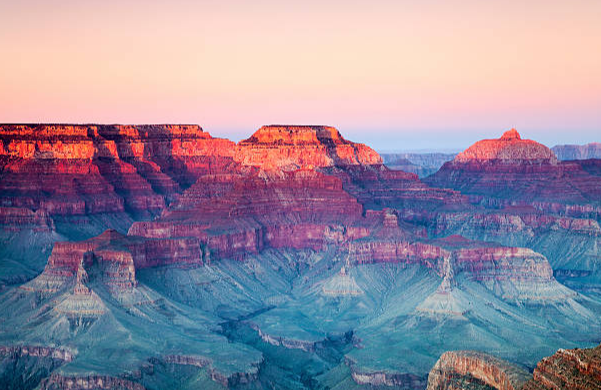
Unveiling Earth’s Grand Canyons: Geological Masterpieces
Canyons stand as monumental testaments to Earth’s immense geological power and the relentless march of time. These deep, narrow valleys, often carved by rivers over millions of years, reveal the planet’s ancient history in their exposed rock layers. Far from mere geographical features, canyons are vibrant ecosystems, cultural touchstones, and sources of profound human awe, prompting a reinterpretation of our own scale in the face of nature’s grandeur. Their cracked aesthetics are not wounds but rather intricate tapestries woven by geological forces.
Defining Canyons: More Than Just a Crack in the Earth
While often described as a “gash” or “wound” in the Earth’s surface, a canyon is a highly complex geological formation. It is typically characterized by steep sides, often cliff-like, and a deep channel that has been eroded by a river or other erosional agent. The depth and width can vary dramatically, from narrow slot canyons barely wide enough for a human to pass, to vast gorges like the Grand Canyon, spanning miles across. Understanding their formation requires a journey through geological time, observing the interplay of water, wind, tectonics, and rock resistance.
The Allure of Canyon Exploration: Beauty, Science, and Spirit
Exploring canyons offers a multi-faceted experience. Scientifically, they are open-air laboratories, exposing millions of years of geological strata, fossil records, and evidence of past climates. For ecologists, they present unique, isolated habitats that foster endemic species, acting as ecological islands. Culturally, many canyons hold deep spiritual significance for indigenous peoples, echoing with ancient stories and traditions. Aesthetically, their sheer scale, vibrant colors, and dramatic forms draw millions of visitors annually, inspiring wonder and humility.

The Geological Genesis of Canyons: Earth’s Sculpted History
The creation of a canyon is a slow, methodical dance between destructive forces and resilient rock. It is primarily a story of erosion, where the persistent flow of water, often coupled with tectonic uplift, meticulously carves through bedrock over geological timescales. This process doesn’t merely create a void; it reveals the intricate stratigraphy of the Earth, layer by ancient layer, each telling a story of past environments and climates.
Fluvial Erosion: The Relentless Power of Water
The most common and significant agent in canyon formation is fluvial erosion, the process driven by rivers. As a river flows, it carries sediment (sand, gravel, boulders) that acts as an abrasive, grinding away at the riverbed and banks. This process, known as abrasion, deepens and widens the channel. Additionally, the sheer force of the water can pluck away loose rock fragments (hydraulic action), and chemical reactions can dissolve soluble rocks (solution). In arid regions, flash floods can cause rapid, intense erosion, quickly deepening channels and contributing to the formation of slot canyons.
- Downward Cutting (Vertical Erosion): The primary mechanism for deepening a canyon, driven by the river’s gradient and sediment load. Faster-flowing rivers on steeper slopes erode downwards more effectively.
- Lateral Erosion (Widening): While less pronounced than vertical cutting in deep canyons, weathering (frost wedging, root action) and mass wasting (rockfalls, landslides) on the canyon walls contribute to widening the valley over time.
- Headward Erosion: The lengthening of a river valley upstream, often contributing to the expansion of canyon systems.
Tectonic Uplift: Aiding the Sculptor’s Hand
While water carves, tectonic forces often provide the canvas and the necessary elevation for deep carving to occur. Tectonic uplift raises the land surface, increasing the gradient of rivers and thus their erosive power. As the land rises, rivers maintain their course, incising downwards into the rising plateau. This interplay between uplift and erosion is crucial for creating vast, deep canyons like the Grand Canyon, where the Colorado River maintained its path while the Colorado Plateau was steadily elevated.
Variations in Canyon Morphology: From Slots to Gorges
The specific characteristics of a canyon are influenced by the type of rock, climate, and the erosional processes at play:
- Slot Canyons: Extremely narrow, deep canyons formed in soft sedimentary rock (like sandstone) by flash floods in arid environments. Their walls are often smooth and sculpted.
- Box Canyons: Characterized by steep, parallel walls and a flat bottom, often formed where a river cuts through a resistant rock layer.
- River Gorges: Broad term for deep, narrow valleys with steep sides, typically carved by a river. The term “gorge” is often used interchangeably with “canyon,” though gorges can sometimes be narrower and steeper.

Iconic Canyons Worldwide: A Gallery of Cracked Aesthetics
From the arid landscapes of the American Southwest to the verdant depths of Asian plateaus, canyons across the globe showcase an astonishing diversity of geological beauty and ecological niches. Each canyon tells a unique story of Earth’s dynamic processes, offering insights into millions of years of planetary evolution and the enduring power of natural forces. These “cracked aesthetics” are not merely scars but intricate masterpieces.
The Grand Canyon (USA): A Geological Wound and Ecological Enigma
Perhaps the most famous canyon in the world, the Grand Canyon in Arizona, USA, is a truly unparalleled spectacle. Carved by the Colorado River over 5 to 6 million years, it stretches 277 miles long, up to 18 miles wide, and over a mile deep. Its exposed rock layers represent nearly two billion years of Earth’s geological history, providing an accessible cross-section of ancient strata. The sheer scale and vibrant hues of its walls, from deep reds to purples, create an ever-changing panorama.
- Geological Layers and Age: The canyon exposes layers ranging from the Vishnu Schist (nearly 2 billion years old) at its base to the Kaibab Limestone (270 million years old) at its rim. Each layer represents a different ancient environment, from shallow seas to sand dunes.
- Unique Ecosystems and Biodiversity: Due to its immense depth, the Grand Canyon encompasses multiple climatic zones, from desert scrub at the river level to pine forests on the rim. This creates a series of microclimates that support a remarkable array of flora and fauna, including endemic species adapted to specific elevations and conditions.
- Challenges of Isolation: An Ecological “Prison”: Despite its richness, the canyon can act as an “isolated island on the edge of a cliff.” For some species, the steep walls and harsh conditions create barriers, effectively trapping populations within specific elevations or sections. This isolation can lead to unique evolutionary paths but also makes these populations vulnerable to environmental changes, akin to a natural prison for certain forest and desert communities.
Red River Gorge (USA) and Yarlung Tsangpo Grand Canyon (Tibet): Cultural Whispers from Ancient Rivers
While the Grand Canyon is primarily known for its geological majesty, other canyons bear profound cultural and historical significance, often intertwined with the rivers that carved them. The concept of “red rivers” sinking into the earth, giving rise to civilizations, resonates deeply in diverse geographical contexts.
- Red River Gorge (Kentucky, USA): This smaller, but equally captivating, canyon system is renowned for its sandstone arches, cliffs, and abundant biodiversity. It has been a site of human habitation for thousands of years, with evidence of Native American cultures and later frontier settlements. The Red River, its namesake, has sculpted a landscape that has long provided shelter, resources, and inspiration.
- Yarlung Tsangpo Grand Canyon (Tibet, China): Often considered the deepest canyon in the world, the Yarlung Tsangpo Grand Canyon is a remote and awe-inspiring natural wonder. The Yarlung Tsangpo River (which becomes the Brahmaputra) carves through the eastern Himalayas, creating a gorge of immense scale and ecological importance. This region is steeped in Tibetan Buddhist culture and ancient myths, with the river and canyon playing central roles in local folklore and spiritual beliefs. The very emergence of human settlements and cultural practices in such challenging terrain speaks to the adaptive power of civilization to thrive alongside nature’s grandest expressions.

Canyons as Ecosystems: Isolated Islands of Biodiversity and Adaptation
Beyond their dramatic geological forms, canyons are vibrant, complex ecosystems, often functioning as biological islands. Their unique topography creates a mosaic of microclimates and habitats, fostering an extraordinary level of biodiversity. The isolation provided by steep walls and varied elevations can lead to the evolution of endemic species, making canyons crucial natural laboratories for ecological study.
Microclimates and Habitat Stratification
The sheer depth and varied orientation of canyon walls create a remarkable range of microclimates within a relatively small geographical area. North-facing slopes, often shaded for much of the day, retain more moisture and support cooler-climate vegetation. South-facing slopes, exposed to intense sun, are typically hotter and drier, favoring desert-adapted species. The canyon floor, especially near a river, can be significantly warmer than the rim, while pockets of springs and seeps create lush oases. This habitat stratification allows a diverse array of plants and animals to thrive in close proximity, each adapted to its specific niche.
- Rim Habitats: Often characterized by forests (pine, fir) or high-altitude grasslands, with species adapted to cooler temperatures and higher precipitation.
- Slope Habitats: Transition zones with varying vegetation depending on aspect and elevation, supporting a mix of forest, woodland, and scrub species.
- Inner Gorge/Riverine Habitats: The warmest and driest areas, often dominated by desert flora and fauna, with riparian zones along the river supporting unique plant communities like cottonwoods and willows.
Endemic Species and Evolutionary Isolation
The isolation imposed by canyon walls can act as a natural barrier, preventing gene flow between populations inside and outside the canyon, or even between different sections of the same canyon. This geographical isolation is a powerful driver of speciation, leading to the development of species found nowhere else on Earth – endemic species. For instance, several species of plants, insects, and even reptiles are unique to the Grand Canyon, having evolved in response to its specific environmental pressures. This phenomenon is why the Grand Canyon is sometimes metaphorically referred to as a “prison for the forest” or other ecological communities, not in a negative sense, but highlighting the physical confinement that shapes their evolution.
Ecological Challenges and Conservation Imperatives
Despite their resilience, canyon ecosystems face numerous threats. Water scarcity, exacerbated by climate change and human diversion of rivers, directly impacts riparian habitats. Invasive species can outcompete native flora and fauna. Human activities like tourism, although vital for appreciation, can lead to habitat disturbance and pollution if not managed sustainably. Protecting these unique environments requires comprehensive conservation strategies that address both local impacts and broader environmental changes, ensuring that these isolated islands of biodiversity continue to thrive.

The Human Experience: Awe, Spirituality, and Cultural Legacy in Canyons
Canyons, with their overwhelming scale and ancient grandeur, have profoundly impacted the human psyche for millennia. They evoke a sense of awe, a powerful emotion combining wonder and reverence, often leading to a reinterpretation of one’s own smallness in the vastness of nature. This deep connection extends beyond mere admiration, encompassing spiritual significance, cultural identity, and a rich legacy of human interaction.
Reinterpreting Smallness in the Face of Nature’s Immensity
Standing at the rim of a grand canyon, gazing into its unfathomable depths, often triggers a powerful existential realization. The sheer scale of the geological formations, the seemingly endless expanse of time represented by each layer of rock, dwarfs human existence. This experience of “smallness” is not diminishing but often liberating, fostering a sense of humility and a renewed appreciation for the natural world. It can shift perspective, highlighting the ephemeral nature of human concerns against the backdrop of geological eternity, a common theme in philosophical and spiritual reflections on canyon landscapes.
Spiritual Significance and Indigenous Heritage
For countless indigenous cultures around the world, canyons are not just landscapes but sacred spaces. They are often central to creation myths, spiritual journeys, and traditional ceremonies. The deep connection to the land, passed down through generations, imbues these places with profound meaning. For example, numerous Native American tribes hold the Grand Canyon as a deeply sacred site, a place of origin and spiritual power, where ancestors reside and ceremonies connect the living with the ancient past. The “cultural whispers” from canyons like the Red River Gorge and Yarlung Tsangpo reflect centuries of human interaction, resourcefulness, and spiritual reverence.
Recreational Activities and Tourism: Connecting with the Abyss
In modern times, canyons have become major destinations for recreation and tourism, offering a variety of ways to engage with their beauty and challenge. Activities include:
- Hiking and Backpacking: Exploring trails that descend into the canyon, offering intimate perspectives of its geology and ecosystems.
- River Rafting: Navigating the powerful rivers that carved the canyons, experiencing the landscape from a unique vantage point.
- Canyoneering: A blend of hiking, climbing, rappelling, and swimming to traverse narrow slot canyons.
- Photography and Observation: Capturing the dramatic vistas and ever-changing light, a popular pursuit for millions of visitors.
While fostering appreciation, the influx of visitors also necessitates careful management to preserve the delicate balance of these environments and respect their cultural significance.

Conservation and the Future of Canyon Landscapes
The awe-inspiring beauty and ecological importance of canyons necessitate dedicated conservation efforts. As human populations expand and climate change accelerates, these ancient landscapes face increasing pressures. Ensuring their preservation for future generations requires a multi-faceted approach, balancing human access with ecological protection and respecting cultural heritage.
Threats to Canyon Environments
Canyons, despite their rugged appearance, are vulnerable to a range of environmental threats:
- Water Diversion and Scarcity: Rivers are the lifeblood of canyons. Upstream dams and diversions for agriculture and urban use significantly reduce water flow, impacting riparian ecosystems and altering natural flood cycles crucial for sediment transport and habitat maintenance.
- Climate Change: Increased temperatures, altered precipitation patterns, and more frequent extreme weather events (like intense flash floods or prolonged droughts) can severely stress canyon flora and fauna, exacerbate erosion, and increase wildfire risk.
- Invasive Species: Non-native plants and animals can outcompete native species, disrupt food webs, and alter habitats, posing a significant threat to endemic biodiversity.
- Pollution and Human Impact: Litter, noise pollution from tourism, and air pollution (even in remote areas) can degrade the pristine nature of canyon environments. Uncontrolled development near canyon rims can also impact viewsheds and natural processes.
Strategies for Sustainable Preservation
Effective conservation of canyon landscapes involves a combination of scientific research, policy implementation, and public engagement:
- Protected Area Designation: Establishing national parks, monuments, and wilderness areas provides legal protection against destructive activities and supports regulated access.
- Water Management: Implementing sustainable water policies that balance human needs with ecological requirements of canyon rivers is critical. This includes strategies for environmental flows and restoration of natural hydrological regimes.
- Ecosystem Restoration: Projects to remove invasive species, restore native plant communities, and stabilize eroded areas help heal damaged ecosystems.
- Sustainable Tourism: Developing guidelines and infrastructure that minimize environmental impact while allowing visitors to experience canyons responsibly. This includes education, designated trails, and waste management.
- Indigenous Knowledge Integration: Recognizing and incorporating the traditional ecological knowledge and stewardship practices of indigenous communities, who have long-standing relationships with these lands, is vital for holistic conservation.
The Role of Research and Education
Ongoing scientific research into canyon geology, hydrology, ecology, and climate history is essential for understanding these complex systems and informing conservation strategies. Equally important is public education, fostering a deeper appreciation for canyons and inspiring a sense of responsibility for their protection. By understanding their formation, the life they sustain, and their cultural significance, we can ensure that these magnificent “cracked aesthetics” continue to inspire wonder for countless generations.
Conclusion: Enduring Majesty of Earth’s Canyons
Canyons are more than just geographical features; they are living testaments to Earth’s dynamic history, intricate ecosystems, and profound sources of human inspiration. From the relentless carving of rivers to the slow uplift of tectonic plates, each canyon narrates a unique story of geological power and resilience. They serve as critical habitats for diverse flora and fauna, often fostering endemic species within their isolated microclimates. Moreover, canyons hold deep cultural and spiritual significance for indigenous peoples, echoing with ancient whispers and shaping human perceptions of scale and place.
As we continue to explore and appreciate these natural wonders, it becomes increasingly evident that their preservation is paramount. Facing threats from climate change, water scarcity, and human impact, the future of canyon landscapes hinges on dedicated conservation efforts, sustainable practices, and a collective commitment to protecting their ecological integrity and cultural heritage. By understanding and respecting these geological masterpieces, we ensure that the awe-inspiring beauty and scientific lessons embedded within Earth’s cracked aesthetics will continue to enrich humanity for millennia to come.
Frequently Asked Questions (FAQ)
- Q1: How do canyons primarily form?
- Canyons primarily form through the process of fluvial erosion, where rivers cut deeply into the Earth’s surface over millions of years. This process is often enhanced by tectonic uplift, which raises the land, increasing the river’s gradient and its ability to erode downwards. Other factors like rock type, climate, and weathering also play significant roles in shaping their unique morphologies.
- Q2: What is the difference between a canyon and a gorge?
- While often used interchangeably, a canyon is generally a larger, deeper valley with steep sides, often encompassing a wider range of ecosystems and geological features. A gorge typically refers to a narrower, steeper-sided ravine, often formed by a river cutting through hard rock. Both are types of deep, incised valleys, but “canyon” often implies a grander scale and more complex structure.
- Q3: Why is the Grand Canyon sometimes referred to as an “ecological prison” for some species?
- The Grand Canyon’s immense depth and steep, impassable walls create significant geographical barriers. For certain plant and animal species, these barriers can isolate populations within specific elevations or sections of the canyon, preventing gene flow and limiting their ability to expand or migrate. While this isolation can lead to the evolution of unique, endemic species, it also makes these populations particularly vulnerable to localized environmental changes, effectively “trapping” them within their specific canyon habitat.
- Q4: What cultural significance do canyons hold for indigenous communities?
- For many indigenous communities worldwide, canyons are deeply sacred sites, imbued with spiritual significance and central to their cultural identity. They are often featured in creation myths, serve as places for traditional ceremonies, and are believed to be homes for ancestors or spirits. The canyons provided shelter, resources, and a deep connection to the land that has shaped their traditions, stories, and ecological knowledge for thousands of years.
- Q5: Are there canyons underwater?
- Yes, there are indeed submarine canyons, which are deep, steep-sided valleys cut into the continental slope and continental shelf of the oceans. These underwater canyons are often extensions of major river systems that existed during periods of lower sea level, or they can be formed by turbidity currents (underwater landslides of sediment and water). They are significant features of ocean topography and important habitats for deep-sea marine life.
Related Posts
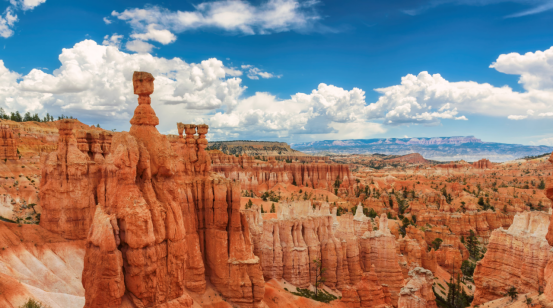
The Ultimate Guide to the World’s Most Spectacular Canyons: From Zion to Yarlung Zangbo
Embark on a global journey through the most profound geological wonders on Earth. This comprehensive guide explores the sacred landscapes…
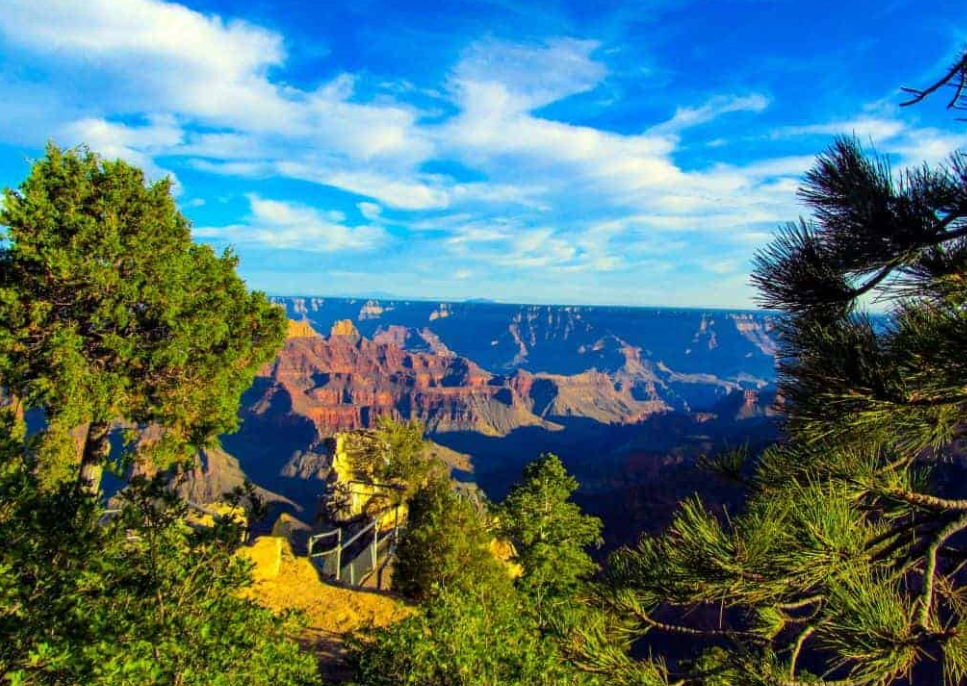
Grand Canyon’s Sky Island: The Isolated World of Kaibab Plateau
Discover how the Grand Canyon acts as a geological barrier, creating the unique "sky island" of the Kaibab Plateau and…
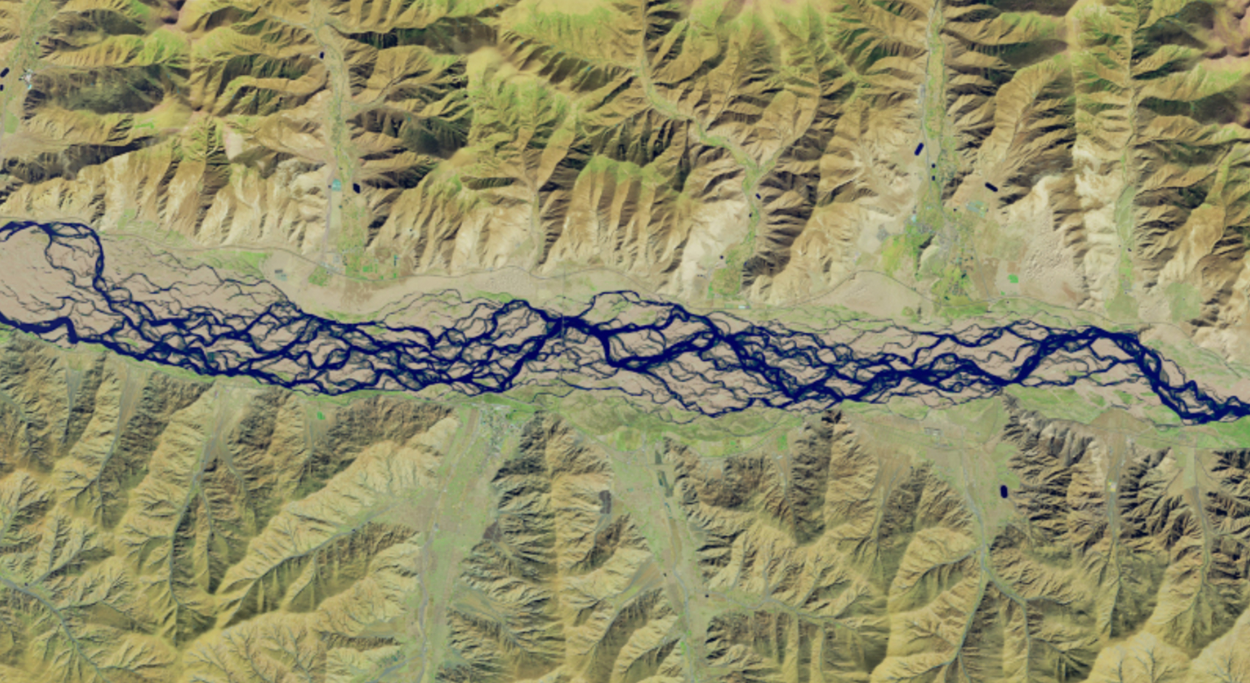
The Ultimate Guide to Canyon Formation: From River Erosion to Tectonic Uplift
Delve into the epic geological saga of how canyons are formed. This comprehensive guide explores the primary mechanisms of river…