Waterfalls have long served as a focal point for human wonder, representing a unique intersection of aesthetic perfection and raw, untamed power.
From the mist-shrouded peaks of the Andes to the massive cataracts of the Zambezi, these geological features do more than just move water; they shape the human psyche and define the health of our planet’s hydrological networks.
The Psychology of the Sublime: Why Waterfalls Hypnotize
The concept of “The Sublime” is central to understanding why humans are drawn to the violent beauty of falling water.
Philosophers like Edmund Burke and Immanuel Kant described the sublime as a feeling of awe mixed with a hint of terror—the realization of one’s own insignificance in the face of nature’s overwhelming magnitude.
The Aesthetic Appeal of Danger
Waterfalls provide a safe vantage point to witness “controlled chaos.”
The visual repetition of falling water and the white noise of the impact create a meditative state, often referred to as “soft fascination.”
This psychological phenomenon allows the mind to rest while remaining engaged, explaining why waterfalls are primary destinations for spiritual and mental rejuvenation.

The Kinetic Violence: The Physical Power of Falling Water
While we perceive beauty, the physical reality of a waterfall is one of extreme geological violence.
The sheer weight of water falling from height generates immense kinetic energy, which acts as a primary driver of landscape evolution.
Erosion and the Recession of Falls
Waterfalls are never static; they are in a constant state of retreat.
The force of the water at the base creates a “plunge pool,” which eventually undercuts the harder rock layer above, causing the waterfall to move upstream over centuries.
| Waterfall Type | Key Characteristic | Geological Impact |
|---|---|---|
| Plunge | Water loses contact with the rock face. | Rapid plunge pool deepening. |
| Horsetail | Maintains contact with the bedrock. | Gradual surface smoothing. |
| Tiered | A series of distinct drops. | Complex multi-level erosion. |

The Fate of the River: Environmental Threats and Conservation
The “fate of a river” is inextricably linked to the health of its waterfalls.
Modern industrialization and climate change pose existential threats to these natural wonders, altering flow rates and water quality.
The Impact of Hydroelectric Damming
Large-scale damming projects often divert water away from natural falls to power turbines.
While this provides renewable energy, it destroys the local ecosystem, prevents nutrient transport, and silences the “voice” of the river.
-
Flow Alteration:
Dams change the natural seasonal pulse of the water. -
Sediment Trapping:
Crucial minerals are blocked, starving downstream habitats. -
Biodiversity Loss:
Migratory fish species are often blocked from reaching spawning grounds.
Expert Tips for Responsible Waterfall Tourism
To preserve the sublime beauty of these sites, visitors must adopt a “Leave No Trace” philosophy.
1. Stay on designated paths to prevent soil erosion near cliffs.
2. Avoid using soaps or chemicals in the water, as waterfall basins are often fragile micro-ecosystems.
3. Respect seasonal closures, which are often implemented to protect nesting birds or during dangerous high-flow periods.
Frequently Asked Questions (FAQ)
-
What is the difference between a waterfall and a cataract?
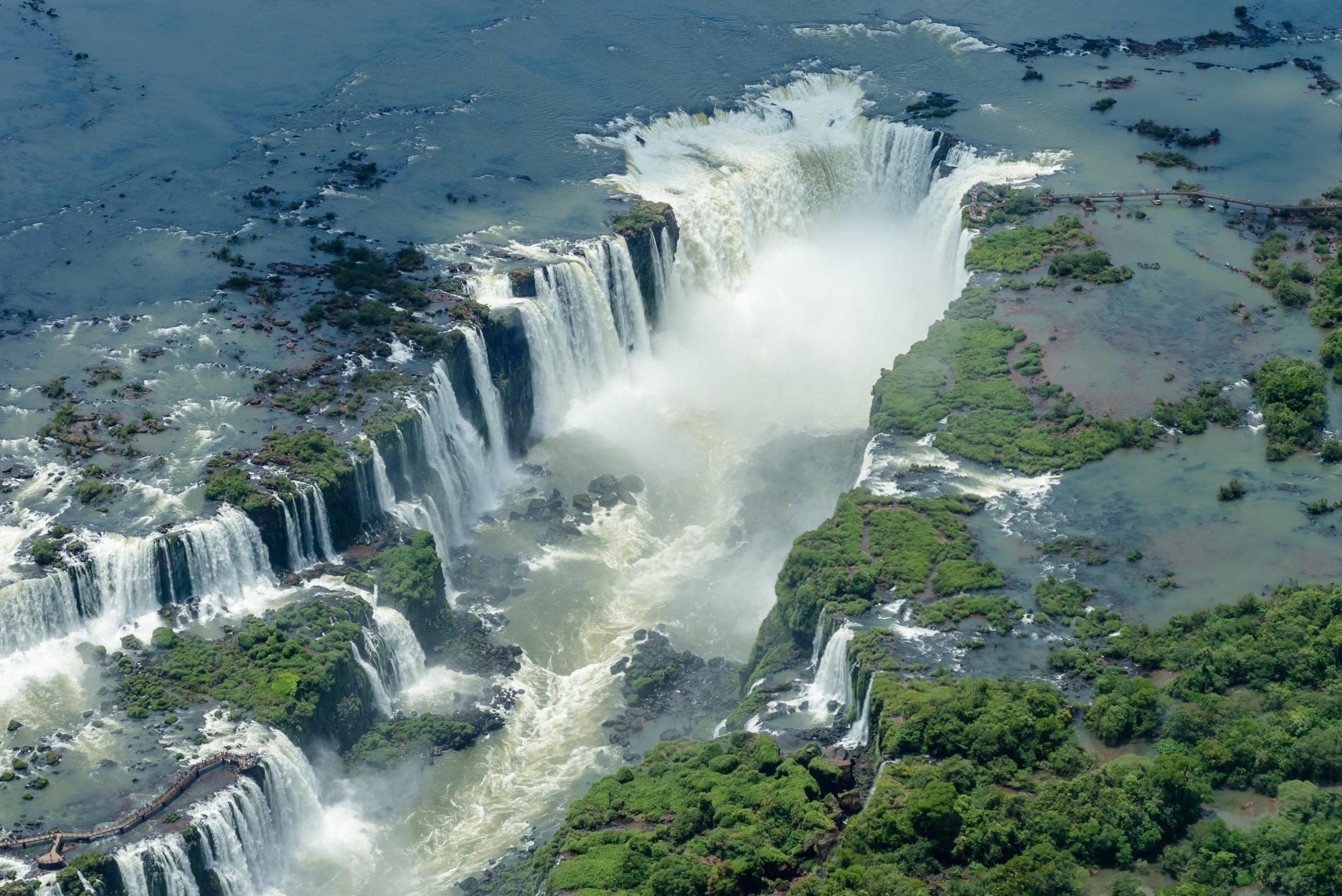
- A waterfall is a general term for water falling over a vertical drop. A cataract refers specifically to a large, powerful, and often dangerous waterfall, such as those found on the Nile or the Iguazu Falls.
-
Why do waterfalls produce “negative ions”?
- The Lenard effect occurs when water molecules collide and shatter, creating a spray of negatively charged ions. Many believe these ions contribute to the feeling of well-being and reduced stress experienced near falls.
-
Can a waterfall eventually disappear?
- Yes. Through the process of headward erosion, a waterfall can eventually turn into a series of rapids or disappear entirely if the river cuts down through the resistant rock layer that created the drop.
-
How does climate change affect waterfalls?
- Climate change leads to more frequent droughts and erratic rainfall. This causes some waterfalls to dry up seasonally while others experience catastrophic flash flooding that can permanently alter their structure.
-
What is the tallest waterfall in the world?
- Angel Falls in Venezuela holds the record for the world’s tallest uninterrupted waterfall, with a height of 979 meters (3,212 feet).