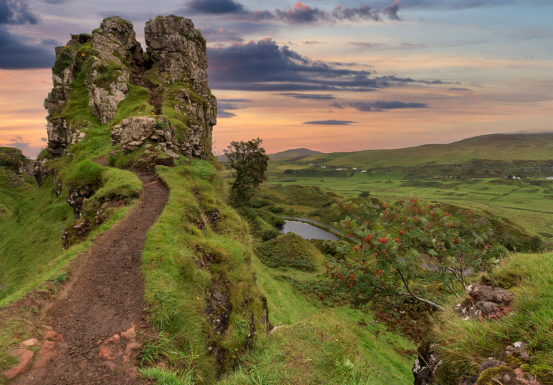
Unveiling Fell Valley: Scotland’s Mystical Elven Realm
Nestled deep within the majestic embrace of the Scottish Highlands lies Fell Valley, a place whispered about in ancient tales and revered for its ethereal beauty. Far more than just a geographical location, Fell Valley embodies a profound connection to nature, history, and the mystical folklore that permeates the very fabric of Scotland. This comprehensive guide aims to transcend a simple overview, inviting you to delve into the core essence of this “Home of the Elves,” understanding not just what it offers, but the deep-seated reasons why it captivates the imagination and soul of every visitor.
The allure of Fell Valley stems from a unique confluence of dramatic landscapes, pristine wilderness, and an enduring legacy of Celtic myths. Its mist-shrouded peaks, ancient Caledonian forests, and crystal-clear streams create an atmosphere that feels untouched by time, a sanctuary where the veil between worlds seems thinnest. This section will introduce you to the valley’s undeniable charm, setting the stage for a deeper exploration into its geology, history, and the very real magic that defines its existence. Prepare to embark on a journey that promises both breathtaking vistas and a profound sense of wonder.

The Ancient Heart: Geology, History, and Highland Folklore
To truly appreciate Fell Valley, one must first understand the ancient forces that sculpted its dramatic landscape and the rich tapestry of human history and folklore woven into its fabric. The term “Fell Valley” itself hints at its geological origins, with “Fell” being a Norse word often used in the British Isles to describe a high, barren landscape or a mountain. This nomenclature speaks to the formidable, yet beautiful, terrain that characterizes much of the Scottish Highlands.
Geological Formation: A Sculpted Masterpiece
The Scottish Highlands are a geological marvel, primarily formed by ancient tectonic plate collisions and subsequently carved by successive ice ages. Fell Valley, like many of its counterparts, bears the unmistakable scars of glacial erosion. Massive sheets of ice, over millennia, ground down mountains, scooped out U-shaped valleys, and deposited vast quantities of rock and sediment. This process created the distinctive steep-sided valleys, rugged peaks, and the scattered lochs (lakes) that define the region. Understanding this geological history provides “the why” behind the valley’s dramatic contours and its unique ecological niches, which in turn fostered distinct flora and fauna, and inspired early inhabitants.
Whispers of the Past: Human History and Cultural Significance
Beyond its geology, Fell Valley has likely been traversed and inhabited for thousands of years. Early Celtic tribes, and later the clans of Scotland, would have found sustenance and shelter within its bounds. The Highlands were often a crucible of conflict and resilience, and remnants of ancient settlements, cairns, or even old drove roads might still be found by the discerning eye. The valley’s isolation, while challenging, also preserved its character, allowing a unique cultural identity to flourish, distinct from the more accessible lowlands. This historical context adds a layer of depth to the landscape, reminding visitors of the generations who have walked these paths before them.
The Elven Legacy: Folklore and Mythology
The most enchanting aspect of Fell Valley, and indeed many remote Highland locations, is its association with folklore—specifically, its reputation as a “Home of the Elves.” While modern elves are often depicted as small, whimsical creatures, Scottish folklore, particularly the Celtic tradition, speaks of the ‘Daoine Sìth’ (the Folk of the Hills) or ‘Fair Folk’. These were powerful, often ethereal beings, sometimes benevolent, sometimes mischievous, and occasionally dangerous. They were believed to inhabit natural spaces like ancient mounds, deep glens, and hidden valleys.
The dense mists, ancient trees, and solitary beauty of Fell Valley provide the perfect canvas for such legends. The belief in the Daoine Sìth served as a way for early communities to explain the inexplicable, to respect the power of nature, and to imbue their surroundings with a sense of magic and reverence. This enduring folklore adds an otherworldly dimension to the valley, inviting visitors to not just observe its beauty, but to feel its ancient, mystical pulse.

Planning Your Journey: Navigating the Enchantment of Fell Valley
Embarking on an adventure to Fell Valley requires careful preparation to ensure a safe, enjoyable, and respectful experience. The Scottish Highlands are renowned for their unpredictable weather and rugged terrain, making a well-thought-out plan essential. This section provides a detailed procedure for planning your visit, from choosing the best time to go to understanding local customs and safety protocols.
Best Time to Visit
The optimal time to visit Fell Valley largely depends on your desired experience.
- Spring (April-May): Witness the reawakening of nature, with vibrant wildflowers and fewer midges. Weather can still be chilly and wet.
- Summer (June-August): Long daylight hours and generally warmer temperatures. Ideal for hiking, but also the peak tourist season and midge season.
- Autumn (September-October): Spectacular autumn colours, fewer crowds, and often stable weather. Days are shorter, and temperatures begin to drop.
- Winter (November-March): A truly wild and solitary experience, but challenging conditions with snow, ice, and very short daylight hours. Requires significant experience and proper gear.
Getting There: Access and Transportation
Fell Valley, being a remote location, requires a degree of planning for access.
- By Car: This is often the most flexible option, allowing you to explore at your own pace. Be prepared for single-track roads, passing places, and potentially challenging driving conditions. Ensure your vehicle is suitable for rough terrain if venturing off main routes.
- Public Transport: While some major Highland towns are accessible by bus or train, reaching specific remote valleys like Fell Valley might require a combination of transport and a local taxi or a long walk. Research specific routes well in advance.
- Guided Tours: For those preferring not to self-navigate, several tour operators offer guided trips into the Highlands, some of which may include or pass through areas similar to Fell Valley.
Accommodation and Local Amenities
Given its remote nature, direct accommodation within Fell Valley itself might be limited to wild camping. Nearby towns or villages will offer a range of options:
- Hotels and B&Bs: Available in larger towns like Fort William, Aviemore, or Inverness, which serve as gateways to the Highlands.
- Self-Catering Cottages: A popular choice for longer stays, offering flexibility and immersion.
- Hostels: Budget-friendly options in strategic locations for hikers and backpackers.
- Camping: Designated campsites are available, and wild camping is generally permitted in Scotland under the Scottish Outdoor Access Code, provided you follow “Leave No Trace” principles.
Safety and Navigation
The Highlands can be unforgiving. Prioritize safety:
- Weather: Check forecasts daily. Weather can change rapidly, even in summer.
- Navigation: Always carry a map (physical and digital), a compass, and know how to use them. GPS devices and apps are useful but can fail.
- Route Planning: Inform someone of your route and expected return time. Stick to marked paths where available.
- Emergency Services: Know how to contact emergency services (dial 999 in the UK). Mobile signal can be intermittent or non-existent in remote areas.
Preserving the Magic: Responsible Exploration and Conservation
The breathtaking beauty and unique ecosystem of Fell Valley, and indeed the entire Scottish Highlands, are precious and fragile. As visitors, we bear a collective responsibility to ensure that our presence does not detract from its natural integrity or the cultural heritage of the region. Responsible exploration is not just a recommendation; it is a fundamental principle for safeguarding these landscapes for future generations. Understanding “the why” behind conservation efforts transforms a simple visit into a meaningful act of stewardship.
The Scottish Outdoor Access Code (SOAC)
Scotland operates under the Scottish Outdoor Access Code, which grants everyone statutory access rights to most land and inland water, provided these rights are exercised responsibly. This means:
- Respecting the Environment: Leave no trace. Take all litter home, avoid disturbing wildlife, and do not damage plants or trees.
- Respecting Local Communities: Be mindful of local residents, farmers, and land managers. Close gates, keep dogs under control, and avoid disturbing livestock.
- Taking Responsibility for Your Actions: Plan ahead, know your limits, and ensure your activities do not endanger yourself or others.
Protecting Wildlife and Habitats
Fell Valley is home to a diverse array of wildlife, from red deer and golden eagles to various species of rare plants and insects. Disturbing these creatures, especially during breeding seasons, can have significant negative impacts. Staying on marked paths, maintaining a respectful distance, and refraining from feeding wild animals are crucial practices. The fragile ecosystems, particularly peatlands and ancient woodlands, play a vital role in carbon sequestration and biodiversity, making their preservation paramount.
Combating Climate Change and Environmental Degradation
The Highlands are particularly vulnerable to the impacts of climate change, from changing weather patterns to increased erosion. Visitors can contribute to mitigation efforts by:
- Minimizing Your Carbon Footprint: Consider sustainable travel options, carpooling, or utilizing public transport where possible.
- Supporting Local, Sustainable Businesses: Choose accommodations and services that prioritize environmental responsibility.
- Educating Yourself: Learn about the specific conservation challenges facing the Highlands and how you can help.
By embracing responsible tourism, every visitor to Fell Valley becomes a guardian of its magic, ensuring that its elven whispers and breathtaking vistas continue to inspire for centuries to come.
Pro Tips for an Unforgettable Highland Adventure
Venturing into the Scottish Highlands, especially to a place as enchanting and wild as Fell Valley, calls for more than just basic preparation. These expert tips are designed to enhance your experience, ensuring both safety and a deeper connection with the landscape and its unique spirit.
Embrace the Layers: Clothing is Key
The old Scottish adage “there’s no such thing as bad weather, only bad clothing” holds true. Even on a seemingly sunny day, conditions can change dramatically.
- Layering System: Wear multiple thin layers (base, mid, outer) that can be added or removed.
- Waterproofs: A high-quality waterproof and windproof jacket and trousers are non-negotiable.
- Footwear: Sturdy, waterproof hiking boots with good ankle support are essential for the often boggy and uneven terrain.
Master the Midge Situation
Scottish midges (tiny biting insects) can be a significant nuisance, particularly from late spring to early autumn, especially in still, damp conditions.
- Repellent: Carry a strong midge repellent (DEET-based or Smidge are popular local choices).
- Head Net: A midge head net can be a lifesaver, especially when stationary.
- Timing: Midges are most active at dawn and dusk; plan activities accordingly.
Hydration and Sustenance
While streams may appear pristine, it’s always safest to filter or treat water from natural sources to avoid waterborne pathogens. Carry enough water for your planned activities and pack high-energy snacks.
Learn Basic Gaelic Phrases
While English is universally spoken, learning a few basic Gaelic phrases like “Tapadh leat” (Thank you) or “Madainn mhath” (Good morning) can be a wonderful way to connect with the local culture and show respect.
Leave No Trace: Beyond the Basics
This principle extends beyond just litter. It means:
- Path Etiquette: Stick to existing paths to prevent erosion and protect delicate vegetation.
- Human Waste: If no facilities are available, bury human waste at least 30cm deep and 50m away from water sources, paths, and buildings. Pack out toilet paper.
- Fire Safety: Wildfires can devastate landscapes. Avoid open fires, especially during dry periods. Use a stove for cooking.
Embrace the Solitude and Silence
One of Fell Valley’s greatest gifts is its tranquility. Take moments to simply sit, listen to the wind, observe the wildlife, and soak in the profound silence. This is where the “elven magic” truly reveals itself.
Essential Gear for Fell Valley Exploration Checklist
- Waterproof map and compass
- GPS device/app (with downloaded offline maps)
- First-aid kit (including blister plasters)
- Headlamp/torch (even for day trips)
- Whistle for emergencies
- Emergency shelter/bivy bag
- High-energy snacks and sufficient water
- Midge repellent and head net
- Layers of clothing (base, mid, waterproof outer)
- Sturdy, waterproof hiking boots
- Sunscreen and sunglasses (even on cloudy days)
- Power bank for electronics
- Camera to capture the beauty
Frequently Asked Questions (FAQ)
- What makes Fell Valley unique compared to other Scottish glens?
- Fell Valley stands out not only for its dramatic glacial landscape but primarily for its deep-rooted association with ancient “Elven” folklore (Daoine Sìth). This mystical reputation, combined with its relative remoteness and preserved natural beauty, creates an atmosphere of profound enchantment that sets it apart from more frequently visited glens.
- Is Fell Valley suitable for beginner hikers, or is it only for experienced adventurers?
- The suitability depends on the specific trails chosen within or around Fell Valley. While some areas might offer gentler walks, much of the Scottish Highlands terrain is rugged and can be challenging, especially due to unpredictable weather. Beginners should stick to well-marked, shorter trails and consider hiring a local guide, while experienced adventurers will find plenty of challenging routes.
- What kind of wildlife can I expect to see in Fell Valley?
- Fell Valley, like many Highland areas, is home to diverse wildlife. You might spot red deer, various bird species including birds of prey like buzzards or golden eagles, and smaller mammals. Keep an eye out for unique flora and insect life adapted to the Highland environment. Always observe from a distance and avoid disturbing animals.
- Are there any specific cultural etiquettes I should be aware of when visiting the Highlands?
- Yes, respecting the Scottish Outdoor Access Code is paramount. This includes leaving no trace, closing gates behind you, keeping dogs under control near livestock, and being mindful of private property. Engaging respectfully with locals and showing appreciation for their culture and environment is always welcome.
- What are the main safety concerns when exploring Fell Valley?
- The primary safety concerns include rapidly changing weather conditions, difficult navigation due to remote terrain and limited mobile signal, and potential encounters with midges. Always carry appropriate gear, inform someone of your route, and be prepared for all weather eventualities. Understanding your physical limits is also crucial.
Related Posts
The Ultimate Guide to Canyon Formation: From River Erosion to Tectonic Uplift
Delve into the epic geological saga of how canyons are formed. This comprehensive guide explores the primary mechanisms of river…
Andean Waru Waru: Unearthing Ancient Agricultural Secrets for Modern Resilience
This pillar page delves into the ingenious Waru Waru (camellones) agricultural system of the ancient Andes, revealing how its buried…
Grand Canyon’s Sky Island: The Isolated World of Kaibab Plateau
Discover how the Grand Canyon acts as a geological barrier, creating the unique "sky island" of the Kaibab Plateau and…