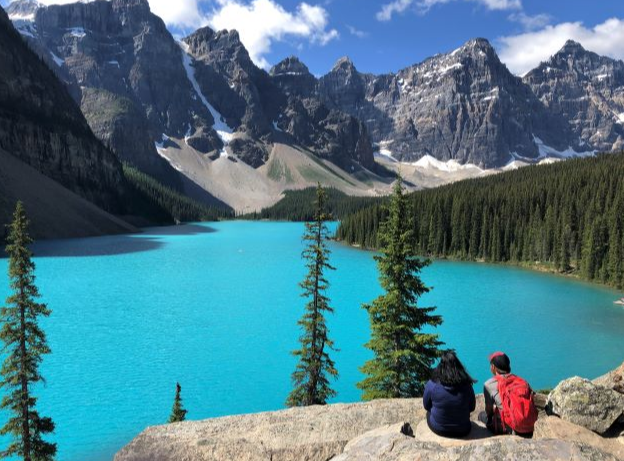
The Dynamic World of Lakes: An Introduction
Lakes, often revered for their serene beauty and ecological richness, are far from static features on Earth’s surface. These enclosed bodies of water represent complex, dynamic ecosystems with distinct life cycles, evolving from their geological inception through stages of maturation, and ultimately towards an inevitable demise. Understanding this intricate journey requires a deep dive into their formation mechanisms, the limnological processes that govern their internal dynamics, and the hydrogeological interactions that define their relationship with the surrounding landscape. From ancient tectonic basins to ephemeral glacial ponds, each lake tells a unique story of geological forces, climatic shifts, and biological adaptations, making them invaluable archives of Earth’s environmental history.
Defining Lakes and Their Ecological Significance
A lake is broadly defined as a large body of relatively still water surrounded by land. Unlike oceans, lakes are not directly connected to global seas, though some are saline. Their significance extends beyond mere water storage; they are critical habitats, biodiversity hotspots, and vital resources for human populations. Lakes provide drinking water, support fisheries, facilitate transportation, offer recreational opportunities, and play a crucial role in regulating regional climates and hydrological cycles. The health and longevity of a lake directly impact the ecological services it provides, underscoring the importance of comprehending their natural lifespan and the factors that influence it.
- Biodiversity Hotspots: Lakes host a vast array of species, from microscopic plankton to large fish and waterfowl, forming intricate food webs.
- Water Resources: They serve as primary sources of fresh water for agriculture, industry, and human consumption.
- Climate Regulation: Large lakes can moderate local temperatures and contribute to atmospheric moisture.
- Geological Records: Sediment layers within lakes act as natural archives, preserving information about past climates, geological events, and ecological changes.

Geological Origins: How Earth’s Time Capsules Are Formed
The birth of a lake is a testament to the powerful and diverse geological forces that continually reshape our planet. Lake basins are depressions in the Earth’s surface that collect water, and their formation mechanisms are as varied as the landscapes they inhabit. These origins dictate a lake’s initial size, depth, and even its early chemical composition, setting the stage for its subsequent evolution. Understanding these foundational processes is key to appreciating the unique characteristics of different lake types worldwide, from the deepest rift lakes to the shallowest oxbows.
Tectonic Lakes: Reshaping the Crust
Tectonic activity, involving the movement and deformation of Earth’s crustal plates, is responsible for some of the largest and deepest lakes on the planet. These lakes form in areas where the crust is either pulling apart (rift valleys) or where blocks of land are uplifted or subsided along faults. The immense forces involved create vast depressions that can accumulate enormous volumes of water over geological timescales, often resulting in lakes with unique biodiversity due to their long isolation and stable environments.
- Rift Valleys: Formed when continental plates pull apart, creating deep, elongated troughs. Examples include Lake Baikal in Siberia (the deepest and oldest lake) and the East African Rift Valley lakes (e.g., Lake Tanganyika, Lake Malawi), known for their exceptional endemic fish species. These lakes can be thousands of meters deep and exist for millions of years.
- Graben Lakes: Similar to rift valleys but often smaller, forming in down-dropped blocks of crust between parallel faults.
- Uplifted Basins: Less common, these occur when tectonic uplift creates depressions that trap water.
Volcanic Lakes: Craters and Calderas
Volcanic activity, both explosive and effusive, can also carve out depressions suitable for lake formation. These lakes are often characterized by their circular shape and sometimes by unique water chemistry influenced by volcanic gases and minerals. Their formation is a dramatic event, reflecting the Earth’s fiery internal processes.
- Crater Lakes: Form in the craters of dormant or extinct volcanoes, often small and deep. Crater Lake in Oregon, USA, formed in the caldera of Mount Mazama, is a prime example, renowned for its clarity and depth.
- Caldera Lakes: Larger depressions created when a volcano’s magma chamber empties and the overlying cone collapses. These can be vast, such as Lake Toba in Indonesia.
- Lava Dammed Lakes: Occur when lava flows block river valleys, creating natural impoundments.
Glacial Lakes: Sculpted by Ice
During the Pleistocene Epoch, massive glaciers covered significant portions of the Earth, profoundly shaping landscapes. As these glaciers advanced and retreated, they carved out depressions, deposited sediment, and blocked drainages, leading to the formation of countless lakes. Glacial lakes are particularly prevalent in high-latitude regions and mountainous areas that experienced past glaciation.
- Cirque Lakes (Tarns): Small, deep lakes found in bowl-shaped depressions (cirques) at the heads of glacial valleys.
- Finger Lakes: Long, narrow lakes occupying former glacial valleys, often deepened and widened by ice. New York’s Finger Lakes are a classic example.
- Moraine-Dammed Lakes: Formed when glacial till (moraine) dams a valley, trapping meltwater.
- Kettle Lakes: Small, circular depressions formed by melting blocks of ice buried in glacial outwash, common in glaciated plains.
Fluvial and Karstic Lakes: River Dynamics and Dissolution
Rivers, through their erosional and depositional processes, can also create lake basins. Similarly, the dissolution of soluble bedrock by groundwater can lead to unique lake formations.
- Oxbow Lakes: Crescent-shaped lakes formed when a meandering river cuts off a loop, leaving an isolated body of water. They are common in floodplains and are typically shallow and ephemeral.
- Floodplain Lakes: Created by river floods that fill depressions in the floodplain, often temporary or seasonal.
- Karstic (Solution) Lakes: Form in regions underlain by soluble bedrock like limestone, where groundwater dissolves the rock, creating sinkholes or dolines that fill with water. Cenotes in Mexico are a famous example.
Anthropogenic Lakes: Human-Engineered Water Bodies
While many lakes are natural phenomena, a significant number are the direct result of human intervention. These artificial lakes, often called reservoirs, are constructed for various purposes and have become integral to modern infrastructure, though they also come with their own set of environmental considerations.
- Reservoirs: Created by damming rivers for hydropower, irrigation, flood control, or water supply. Lake Mead, formed by the Hoover Dam, is one of the largest reservoirs in North America.
- Mining Pits: Abandoned open-pit mines that fill with water can become lakes, sometimes with unique and challenging water chemistry due to residual minerals.

The Limnological Journey: Evolution and Transformation of Lake Ecosystems
Once formed, a lake embarks on a complex limnological journey, influenced by a myriad of physical, chemical, and biological processes. Limnology, the study of inland waters, provides the framework for understanding how lakes function as integrated ecosystems, how they interact with their watersheds, and how they change over time. This dynamic interplay of factors dictates water quality, habitat availability, and ultimately, the trajectory of a lake’s evolution, often leading towards a natural aging process known as eutrophication.
Physical Characteristics and Stratification
The physical properties of a lake, such as its depth, surface area, and thermal characteristics, are fundamental to its ecological dynamics. Deep lakes, especially in temperate zones, often exhibit thermal stratification, where water forms distinct layers with different temperatures and densities. This stratification profoundly influences oxygen distribution, nutrient cycling, and the distribution of aquatic organisms.
- Temperature Layers: In summer, lakes typically stratify into three layers:
- Epilimnion: The warm, oxygen-rich surface layer, mixed by wind.
- Metalimnion (Thermocline): A transitional layer with a rapid temperature and density decrease.
- Hypolimnion: The cold, dense, and often oxygen-depleted bottom layer, isolated from the surface.
- Mixing Regimes: Lakes are classified by their mixing patterns (e.g., monomictic, dimictic, polymictic) which are determined by temperature gradients and regional climate, affecting nutrient distribution.
- Light Penetration: The depth to which sunlight penetrates influences primary productivity and the distribution of aquatic plants.
Chemical Processes and Nutrient Cycling
The chemical composition of lake water is a critical determinant of its health and productivity. Key parameters include pH, dissolved oxygen, alkalinity, and the concentrations of essential nutrients like nitrogen and phosphorus. These chemicals are constantly cycled through the lake ecosystem, influencing everything from algal growth to fish respiration.
- Dissolved Oxygen (DO): Essential for aquatic life. Its concentration varies with temperature, pressure, and biological activity (photosynthesis and respiration). Low DO (hypoxia or anoxia) is detrimental to many organisms.
- Nutrient Availability: Phosphorus and nitrogen are often limiting nutrients for primary producers (algae and aquatic plants). Excessive input of these nutrients is a primary driver of lake degradation.
- pH and Alkalinity: Influence the solubility of nutrients and toxins, and directly affect the physiology of aquatic organisms.
- Trace Elements: Other elements like iron, silica, and calcium also play roles in biological processes and water chemistry.
Biological Dynamics: From Microbes to Macrophytes
Lakes are teeming with life, from microscopic bacteria and algae to large fish and emergent aquatic plants. The interactions between these organisms form complex food webs that drive energy flow and nutrient cycling within the ecosystem. The balance of these biological components is crucial for lake health.
- Primary Producers: Phytoplankton (microscopic algae) and macrophytes (larger aquatic plants) form the base of the food web, converting sunlight into organic matter.
- Zooplankton: Small aquatic animals that graze on phytoplankton, transferring energy up the food chain.
- Fish and Benthic Invertebrates: Occupy various trophic levels, consuming smaller organisms and providing food for larger predators.
- Decomposers: Bacteria and fungi break down dead organic matter, recycling nutrients back into the water column and sediments.
Eutrophication: The Accelerated Aging Process
Eutrophication is the natural process of lake aging, where a lake gradually accumulates nutrients and sediments, becoming shallower and more productive over thousands of years. However, human activities have dramatically accelerated this process, leading to what is known as cultural eutrophication. This acceleration can transform clear, pristine waters into murky, biologically impaired systems in mere decades, often with devastating ecological and economic consequences.
- Causes: The primary drivers of cultural eutrophication are excessive inputs of nitrogen and phosphorus, typically from:
- Agricultural Runoff: Fertilizers, manure, and soil erosion carrying nutrients into waterways.
- Sewage Discharge: Untreated or inadequately treated wastewater.
- Industrial Effluents: Discharges from factories containing nutrient-rich waste.
- Urban Runoff: Stormwater carrying pollutants from impervious surfaces.
- Atmospheric Deposition: Nitrogen oxides from fossil fuel combustion settling into lakes.
- Consequences: The influx of nutrients leads to:
- Algal Blooms: Rapid proliferation of phytoplankton, often forming dense mats that block sunlight.
- Oxygen Depletion (Hypoxia/Anoxia): Decomposition of dead algae by bacteria consumes vast amounts of dissolved oxygen, especially in the hypolimnion, leading to fish kills and anaerobic conditions.
- Loss of Biodiversity: Sensitive species are outcompeted or killed, reducing ecological complexity.
- Reduced Water Clarity: Impaired aesthetic value and recreational opportunities.
- Harmful Algal Blooms (HABs): Production of toxins by certain cyanobacteria (blue-green algae), posing health risks to humans and animals.
Stages of Eutrophication:
Lakes typically progress through distinct stages of productivity, though this can be cyclical or accelerate rapidly under human influence.
- Oligotrophic: Characterized by low nutrient levels, deep clear water, high dissolved oxygen throughout the water column, and low primary productivity. These lakes are often found in mountainous or pristine areas.
- Mesotrophic: Represents an intermediate stage with moderate nutrient levels, some algal growth, and good water quality, supporting a diverse range of aquatic life.
- Eutrophic: High nutrient concentrations lead to abundant algal growth, reduced water clarity, and potential oxygen depletion in deeper waters. Fish communities shift from cold-water species to warm-water tolerant species.
- Hypereutrophic: The most degraded stage, marked by extremely high nutrient loads, persistent dense algal blooms, severe oxygen depletion, frequent fish kills, and often unpleasant odors. These lakes are often described as “dying” or “muddy swamps.”

The Inevitable Demise: Why Lakes Eventually Die
The concept of a lake’s “death” might seem dramatic, but it reflects the natural progression of aquatic ecosystems towards terrestrialization. While some lakes endure for millions of years, others have lifespans measured in centuries or even decades. This demise is a result of both intrinsic natural processes and, increasingly, extrinsic human-induced pressures that accelerate their decline. The transformation from open water to dry land, or to a muddy swamp, is a fundamental aspect of the geological and ecological cycle.
Natural Lake Infilling and Sedimentation
Even without human interference, all lakes are destined to fill with sediment over geological time. This is the most fundamental natural process leading to a lake’s demise. Rivers and streams carry eroded soil, organic matter, and other debris into lake basins. Over millennia, these sediments accumulate, gradually reducing the lake’s depth and volume. Simultaneously, the growth and decomposition of aquatic plants contribute organic matter to the sediment layer, further accelerating the infilling process.
- Sediment Sources: Runoff from the watershed, atmospheric dust, decaying aquatic organisms, and shoreline erosion all contribute to sediment accumulation.
- Lake Succession: As a lake becomes shallower, it transitions through stages: from open water to marsh, then to swamp, and eventually to a wet meadow or forest. This ecological succession is a natural part of the landscape’s evolution.
- Rate of Infilling: The speed of infilling depends on factors like watershed size, geology, climate, and the lake’s initial depth. Small, shallow lakes with large, easily eroded watersheds fill much faster than deep, tectonically formed lakes.
Climate Change and Water Balance Shifts
Global and regional climate change can dramatically alter the hydrological balance of lakes, pushing them towards decline. Changes in precipitation patterns, increased evaporation rates due to rising temperatures, and altered snowmelt regimes can lead to significant reductions in water inflow and increased water loss, causing lakes to shrink or dry up entirely.
- Decreased Precipitation: Prolonged droughts reduce the amount of water flowing into lakes from rivers and groundwater.
- Increased Evaporation: Higher air and water temperatures lead to greater evaporative losses, especially in arid and semi-arid regions.
- Glacial Retreat: Lakes fed by glaciers face reduced meltwater input as glaciers shrink.
- Runoff Changes: Earlier snowmelt or more intense rainfall events can alter the timing and volume of water reaching lakes, sometimes leading to flash floods followed by prolonged dry periods.
Human-Induced Pressures: Pollution and Diversion
Anthropogenic activities are arguably the most significant accelerators of lake demise in the modern era. Beyond cultural eutrophication, direct human actions like water diversion and the introduction of pollutants can rapidly degrade and even eliminate lakes, often with dire ecological and socio-economic consequences.
- Water Diversion: Large-scale withdrawal of water from rivers that feed lakes, primarily for agriculture, urban supply, or industrial use, can drastically reduce lake levels. This is a leading cause of lake shrinkage globally.
- Pollution: Beyond nutrients, lakes receive a cocktail of pollutants including heavy metals, pesticides, industrial chemicals, and microplastics. These toxins can accumulate in sediments and food webs, impairing ecosystem function and rendering the water unsafe.
- Habitat Destruction: Shoreline development, wetland destruction, and dredging can eliminate critical habitats, further stressing lake ecosystems.
- Introduction of Invasive Species: Non-native species can outcompete native flora and fauna, disrupt food webs, and alter lake ecology, sometimes leading to irreversible changes.
Case Study: The Aral Sea – A Catastrophic Disappearance
The Aral Sea, once the world’s fourth-largest lake, stands as a stark and tragic example of human-induced lake demise. Located in Central Asia, it began to shrink dramatically in the 1960s due to massive Soviet-era irrigation projects that diverted the Amu Darya and Syr Darya rivers, its primary water sources, for cotton cultivation. The consequences have been catastrophic, illustrating the profound impact of unsustainable water management.
- Background: In the 1960s, the Aral Sea covered approximately 68,000 square kilometers.
- The Decline: By the early 2000s, its surface area had shrunk by over 90%, splitting into several smaller, highly saline basins. The once-thriving fishing industry collapsed, leading to widespread unemployment and poverty.
- Environmental Catastrophe: The exposed seabed, now known as the Aralkum Desert, is laden with salt, pesticides, and industrial chemicals. Dust storms regularly pick up these toxic sediments and carry them across vast distances, causing severe health problems (respiratory illnesses, cancers) for local populations and impacting agriculture in surrounding regions.
- Ecological Impact: The dramatic increase in salinity led to the extinction of most native fish species, and the loss of wetlands destroyed critical bird habitats. The regional climate also changed, with hotter summers and colder winters.
- Partial Restoration Efforts: Efforts have been made to save the northern part of the Aral Sea (the Small Aral Sea) through the construction of the Kokaral Dam, which has seen some success in raising water levels and reducing salinity in that specific basin. However, the larger southern part remains largely lost.

Hydrogeological Anatomy: The Breathing of Lakes
Lakes are not isolated entities but are intimately connected to their surrounding landscape through complex hydrological pathways. The “breathing” of a lake refers to its dynamic interaction with surface water, groundwater, and the atmosphere, which collectively define its water balance and rhythmic fluctuations. This hydrogeological anatomy is crucial for understanding a lake’s long-term stability, water quality, and vulnerability to environmental changes, whether natural or anthropogenic. The continuous exchange of water dictates the lake’s volume, residence time, and the transport of dissolved substances.
Water Balance: Inflows, Outflows, and Groundwater Interaction
The water balance of a lake is a fundamental concept in limnology and hydrogeology, representing the sum of all water inputs and outputs. A lake’s volume and level are in a constant state of flux, governed by this balance. Understanding these components is essential for predicting how a lake will respond to changes in climate, land use, or water management practices.
- Inflows: Water entering the lake.
- Precipitation: Direct rainfall or snowfall onto the lake surface.
- Surface Runoff: Water flowing over land into the lake via streams and rivers.
- Groundwater Inflow: Subsurface water entering the lake from aquifers, often a significant but less visible source.
- Outflows: Water leaving the lake.
- Evaporation: Water vapor loss from the lake surface to the atmosphere, a major component, especially in arid regions.
- Surface Outflow: Water leaving the lake via an outlet stream or river.
- Groundwater Outflow: Water seeping from the lake into surrounding aquifers.
- Transpiration: Water loss from aquatic plants, though generally a smaller component.
- Groundwater Interaction: Lakes can be groundwater-fed (receiving water from aquifers), groundwater-draining (losing water to aquifers), or flow-through systems (both receiving and losing groundwater). This interaction significantly impacts water chemistry and temperature.
The Rhythmic Pulse of Lakes: Seasonal Fluctuations
Many lakes exhibit predictable seasonal fluctuations in water
Related Posts
The Suffocating Pearl: A Comprehensive Guide to Lake Victoria’s Land Reform Crisis
An in-depth exploration of how agricultural policy shifts in the East African Savanna triggered an ecological catastrophe for Lake Victoria,…
The World’s Most Breathtaking Lakes: An Ultimate Guide
From the ancient, abyssal depths of Lake Baikal to the culturally rich shores of West Lake, this guide explores the…
Global Enigmas: The Mysteries of Loch Ness and the Dead Sea
An exhaustive exploration of Earth's most enigmatic bodies of water, covering the cryptid legends of Scotland's Loch Ness and the…