True gods never speak.
When you first step into the Siberian taiga, all sound is absorbed by the snow. The trees aren’t growing, they’re waiting; the snow isn’t falling, it’s meditating. It’s as if the world has just concluded a long trial, and all things have learned restraint. Cold isn’t a climate; it’s faith—the first god of the Siberian forest.
You don’t walk into this forest, you are tamed by it.
A calm and solemn border
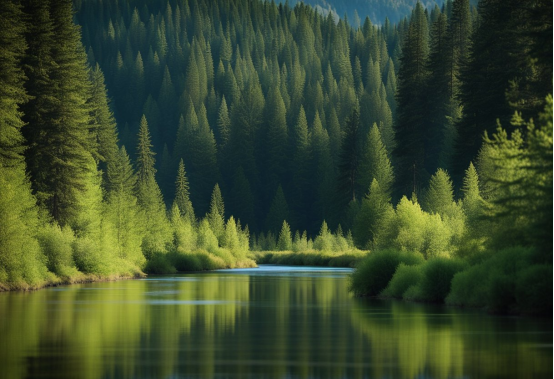
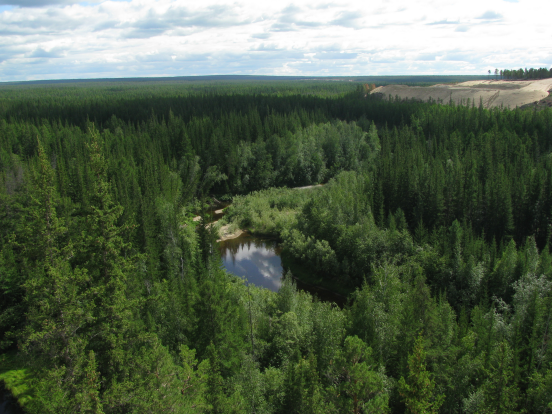
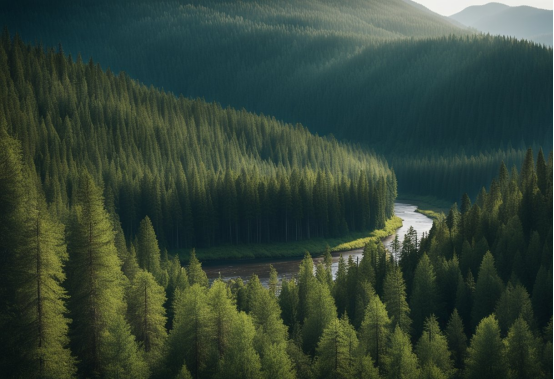
This is one of the world’s largest coniferous forests, connecting to permafrost to the north and gradually melting into grassland and tundra to the south. There are no obvious paths through the forest, only animal tracks lightly obscured by the snow, like mysterious symbols, guiding a pilgrimage you cannot decipher.
The snow is not thick, but heavy enough. Every step you take is like walking towards the beginning of some unspeakable era.
Here, all life becomes minimalist. Pines and larches stand as straight as monuments, maintaining a distant yet sacred distance from one another. The fox’s shadow is short and decisive, as if walking on the blade of time. And your breath is the only moving flame in this winter ritual.
Creatures above the cold
Survival in this forest is a form of obedience to the gods. There are no dazzling colors, no sudden calls. Grizzlies hibernate, caribou migrate, and wolves hide; these aren’t wildness, but obedience.
Their existence is like the cold’s tolerance of life, rather than its charity. Every living being here is a silent disciple of this god.
Even time slowed to a crawl. The sun slid across the horizon, refusing to rise. There was no clear boundary between day and night. It was as if the forest were writing a profound scripture in silence, and humans were merely temporary visitors, turning a page.
Trees are silent memories
These coniferous forests are not as complex as tropical rainforests. They are more like rows of watchmen, guarding the cold, death, and oracles.
When you stand among these countless vertically growing tree trunks, you have a strange illusion: you are not walking among them, but they are watching you. This gaze is emotionless, but solemn.
Each tree is tall, but never shows off its height; they are all old, but never tell of their past. The cold has taught them how to keep everything to themselves and only speak when necessary.
The boundaries of humanity end here
The Siberian taiga is not only a geographical boundary but also the limit of language and perception. Here, human enthusiasm becomes insignificant, logic becomes sluggish, and even emotions are as dull as the surface of a frosted lake.
You can’t “move” here, you can only “exist.” Every movement must be made with respect, every action a request for instructions from the god of ice and snow.
The forest does not need you to understand it, it only needs you to understand: the true sense of existence is not expressed, but lived calmly, no more, no less.
Epilogue: Snow falls silently
When you leave this forest, your footprints linger in the snow for a moment, then are quickly erased by the wind. The taiga remembers you, and cares not for your legacy. You simply came to attend a winter mass before the gods of cold, and then departed without a sound.
At our next stop, we will leave this silent polar forest and enter a Mediterranean olive grove once carved by volcanic lava and covered by layers of time—where the tree rings are older than the country, and the light carries the warmth of salt and mythology.