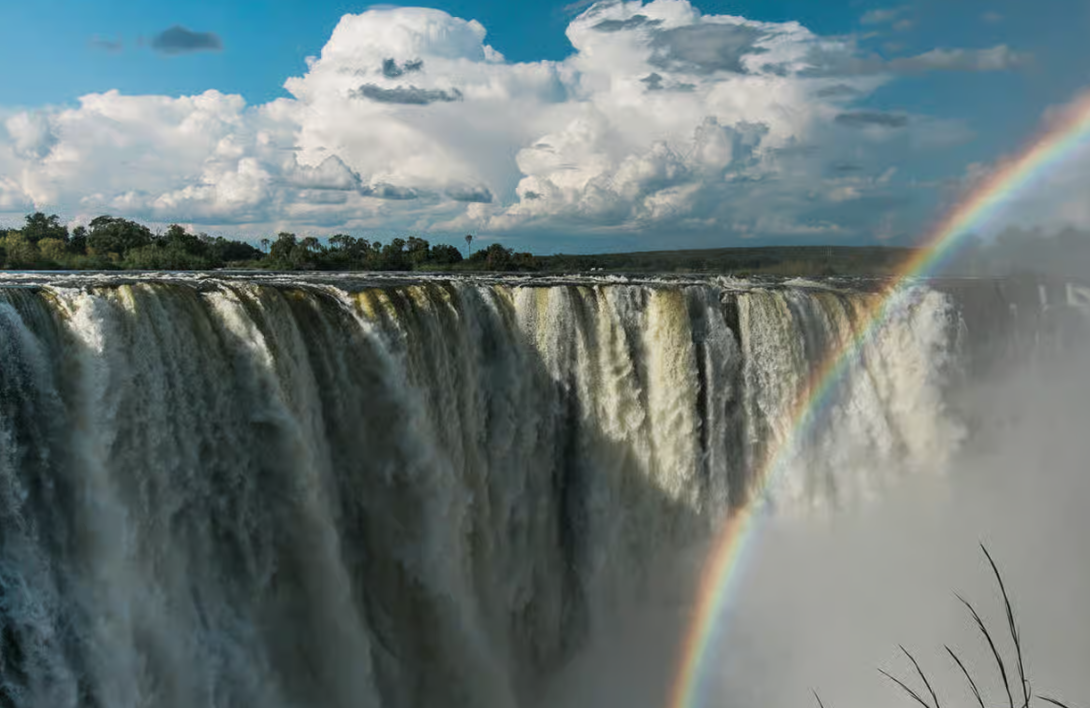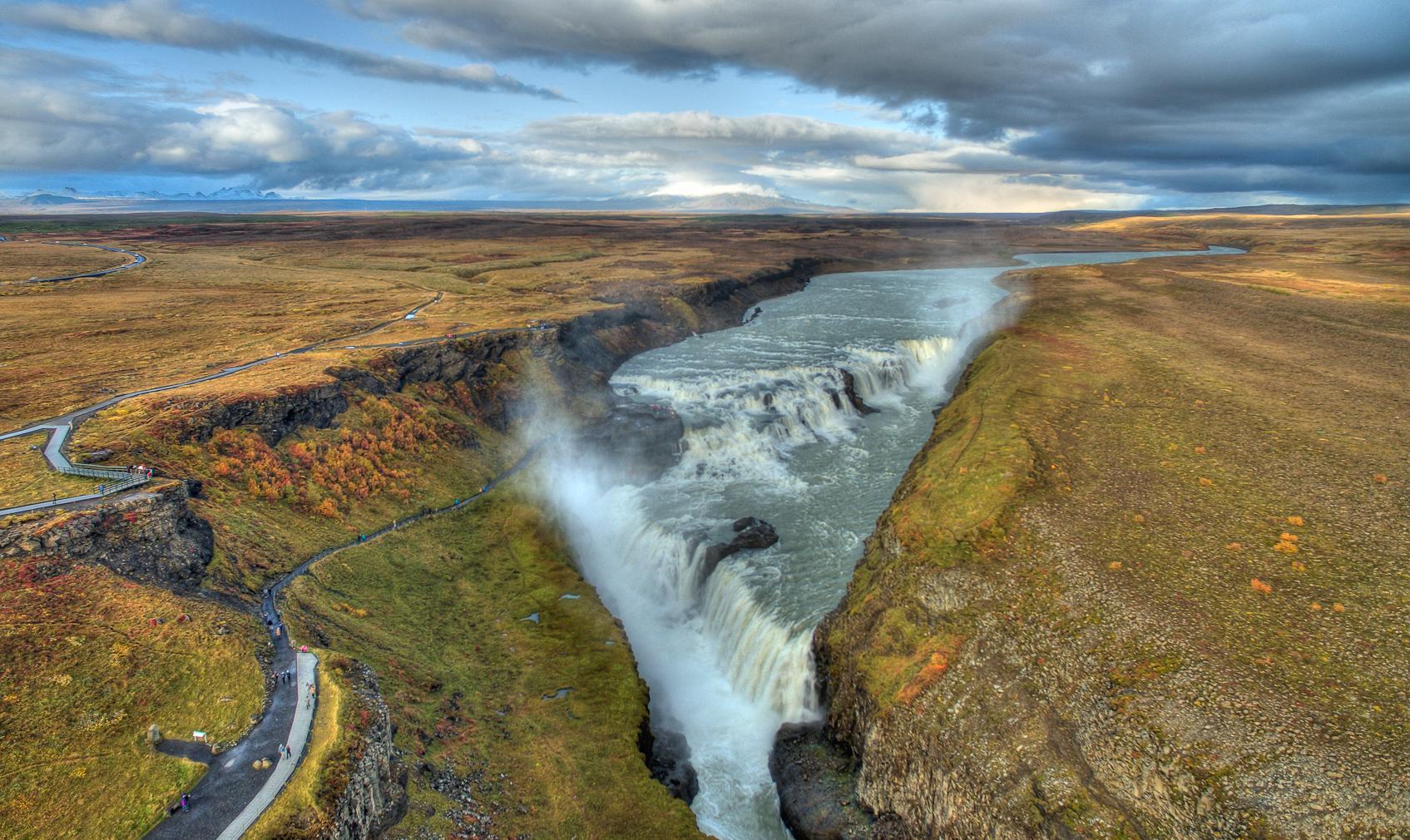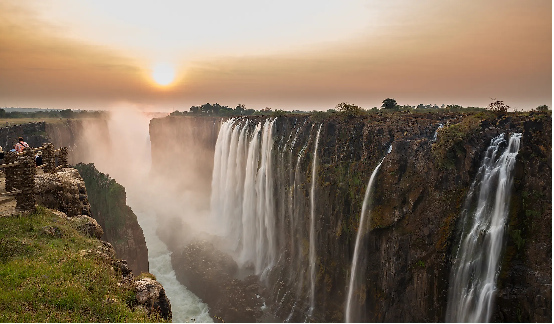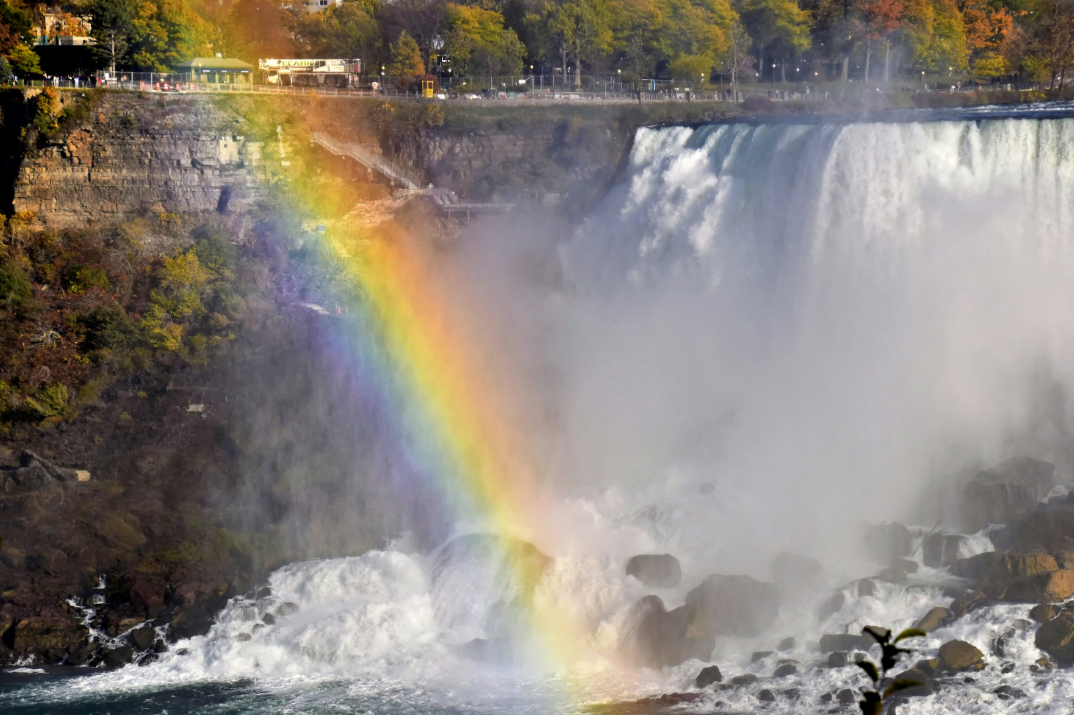
Waterfalls are more than just water falling over a cliff; they are dynamic geological phenomena, cradles of unique ecosystems, and powerful symbols in human culture. From the deafening roar of South America’s Iguazu Falls to the myth-laden mists of Iceland’s Skogafoss, these natural wonders command our attention and inspire awe. This guide explores the multifaceted world of waterfalls, delving into the scientific forces that shape them, the life they support, and the profound connection they share with humanity across continents and centuries.
We will journey from the dramatic fjords of Norway to the poetic landscapes of China’s Lushan, uncovering the secrets behind their formation and their enduring appeal. Whether you are a seasoned hiker seeking your next adventure or a curious mind fascinated by Earth’s natural processes, this exploration provides a deep dive into the power, beauty, and significance of the world’s most spectacular waterfalls.
The Science and Geology of Waterfall Formation
The creation of a waterfall is a dramatic story of water’s relentless power over rock, unfolding over thousands or even millions of years. The most common mechanism involves a river or stream flowing over layers of rock with varying degrees of hardness. A resistant, hard rock layer (like basalt or granite) sits atop a softer, more easily eroded layer (like shale or sandstone). The water’s force erodes the softer rock underneath more quickly, creating an undercut. Eventually, the overhanging hard rock cap collapses under its own weight, causing the waterfall to retreat upstream in a process known as headward erosion. This continuous cycle carves out deep gorges and plunge pools over geological time.
Unique Geological Scenarios
While the hard-over-soft rock model is classic, waterfalls can form through various other geological processes. Each tells a unique story about the landscape’s history.
- Faulting: Tectonic activity can create a fault line where one side of the land is uplifted relative to the other. A river flowing across this newly formed cliff becomes a waterfall.
- Glaciation: The immense power of glaciers is a master sculptor of waterfall-rich landscapes, particularly evident in places like Norway. As massive glaciers carve out deep, U-shaped valleys, smaller tributary glaciers create shallower valleys on the sides. When the glaciers retreat, these shallower valleys are left “hanging” high above the main valley floor. Streams flowing through these hanging valleys plunge dramatically into the main valley, forming spectacular waterfalls. This is precisely why many Norwegian waterfalls cascade directly towards or into the sea via the fjords, which are themselves glacier-carved, sea-flooded valleys.
- Coastal Erosion: In some coastal areas, the sea erodes cliffs at a faster rate than a river flowing over them, leading to the river plunging directly into the ocean.
The Secrets Behind a Waterfall’s Appearance
The visual character of a waterfall—from its color to its shape—is determined by a combination of geology, water chemistry, and volume. The “blue” or “white” appearance is often an illusion created by light and water. The intense churning of water as it goes over a fall traps and mixes air bubbles, which scatter light and create a white, foamy appearance. In calmer plunge pools, the water may appear turquoise or blue due to the reflection of the sky and the absorption of other colors by pure, deep water. Dissolved minerals, such as calcium carbonate from limestone, can also lend a vibrant blue or green hue to the water.

Waterfalls as Thriving Ecosystems
Waterfalls are far more than geological features; they are biological hotspots that create and sustain unique micro-ecosystems. The constant turbulence and spray generate an environment with distinct characteristics that support specialized forms of life. The process of water plunging and crashing into the pool below is a powerful natural aerator, significantly increasing the dissolved oxygen content of the water downstream. This oxygen-rich water is vital for aquatic life, supporting healthy populations of fish, invertebrates, and microorganisms.
Life in the Spray Zone
The area immediately surrounding a waterfall, known as the spray zone, is characterized by perpetual mist and high humidity. This unique microclimate allows for the growth of a lush community of flora that would not survive in the drier surrounding areas. This includes:
- Mosses and Liverworts: These non-vascular plants thrive in the constant moisture, clinging to wet rocks and tree trunks and forming a vibrant green carpet.
- Ferns: Many species of ferns are adapted to the shady, damp conditions of the spray zone, adding to the verdant, prehistoric feel of the landscape.
- Specialized Flowering Plants: Some plants have evolved to specifically colonize these misty environments, taking advantage of the high humidity and reduced competition.
This unique habitat also provides a critical source of water and food for various insects, amphibians, and birds, making the waterfall a central hub of biodiversity within the larger forest or mountain ecosystem.

Iconic Waterfalls Around the Globe: A World Tour
While countless waterfalls grace our planet, a few stand out for their sheer scale, unique characteristics, or cultural importance. These natural monuments are destinations in their own right, drawing millions of visitors who seek to witness their power and beauty. Each tells a different story of its home landscape.
Iguazu Falls: The Thundering Giant of South America
Straddling the border of Argentina and Brazil, Iguazu Falls is not a single waterfall but a breathtaking system of approximately 275 individual falls stretching over 2.7 kilometers (1.7 miles). Its immense power is undeniable, with an average flow rate that dwarfs that of many other famous falls. The centerpiece is the U-shaped chasm known as the Garganta del Diablo (Devil’s Throat), where a huge volume of the Iguazu River plunges over 80 meters with a deafening roar, sending a permanent cloud of mist high into the air. The falls are enveloped by a lush subtropical rainforest, protected by national parks on both sides, which is home to a rich diversity of wildlife, including toucans, coatis, and jaguars.
Skogafoss: Iceland’s Legendary Cascade
Located on Iceland’s southern coast, Skogafoss is a classic example of a powerful, rectangular cataract, dropping 60 meters from the cliffs of a former coastline. Its sheer curtain of water is so powerful that it consistently produces a single or double rainbow on sunny days. But Skogafoss is as famous for its folklore as its beauty. According to legend, a Viking settler named Þrasi Þórólfsson buried a treasure chest filled with gold in a cave behind the waterfall. It is said that locals later found the chest but could only grasp the ring on its side before it disappeared again. The ring was allegedly given to the local church, adding a layer of myth to this already magical landscape.
Lushan Waterfall: A Muse for Millennia in China
The waterfalls of Mount Lushan in China hold a special place in the nation’s cultural and artistic history. For over a millennium, they have been a profound source of inspiration for poets, painters, and scholars. The most famous depiction comes from the Tang dynasty poet Li Bai, whose verse “Flying waters descending three thousand feet / I think it’s the Milky Way falling from the ninth heaven” immortalized the waterfall’s ethereal beauty. The Lushan Waterfall is not just a natural feature; it is a cultural landmark, representing a deep, philosophical dialogue between humanity and the enduring power of nature, a dialogue between the flowing water and the unyielding stone.

The Cultural and Mythological Significance of Waterfalls
Across the globe, waterfalls have been revered as sacred places, portals to other realms, and the homes of powerful spirits. Their unceasing movement and thunderous sound evoke a sense of the sublime and the eternal, making them natural focal points for human spirituality and storytelling. In many cultures, they are seen as sources of life, purity, and power. This reverence is reflected in the countless myths, legends, and artistic works they have inspired.
Waterfalls in Legend and Folklore
The connection between waterfalls and mythology is universal. As seen with Iceland’s Skogafoss and its hidden Viking treasure, waterfalls are often depicted as guardians of secrets or gateways to the supernatural. In many indigenous belief systems, spirits or deities are thought to reside within the powerful cascades. These stories served not only as entertainment but also as a way to explain the unexplainable and to instill a sense of respect for the formidable power of nature. They transform a simple geological feature into a living, breathing entity with a story and a soul.
Inspiration for Art and Literature
The aesthetic power of waterfalls has made them a recurring subject in art and literature for centuries. From the romantic paintings of the Hudson River School in America to the delicate ink washes of Chinese landscape artists, painters have sought to capture their dynamic energy and serene beauty. Poets like Li Bai and William Wordsworth have used the image of the waterfall to explore themes of eternity, the passage of time, and the overwhelming force of nature. This enduring presence in human creativity highlights our innate fascination with these powerful and beautiful natural phenomena.

Experiencing Waterfalls: A Guide for Hikers and Travelers
A visit to a waterfall can be a rejuvenating and memorable experience, but preparation is key to making it safe and enjoyable. Whether it’s a short walk to an accessible viewpoint or a strenuous multi-day trek to a remote cascade, understanding what to expect can make all the difference. The “worth” of visiting a waterfall like Gibson Falls or any other often depends on a balance of scenic reward and personal effort.
What Makes a Waterfall Visit Memorable?
The quality of a waterfall experience is subjective, but several factors consistently contribute to a positive impression. Evaluating these can help you choose the right destination for your interests and fitness level.
- Accessibility and Trail Conditions: How difficult is the hike? A well-maintained trail to a stunning view can be a great family outing, while a challenging, poorly marked path might appeal more to experienced adventurers.
- Scenic Beauty and Uniqueness: Consider the waterfall’s height, volume, and setting. Is it a towering single plunge, a series of delicate tiers, or a wide, powerful curtain? The surrounding landscape plays a huge role in its overall appeal.
- Crowd Levels: Popular, easily accessible waterfalls can be very crowded. If you seek solitude, you may need to choose a more remote location or visit during the off-season or on a weekday.
- Photographic Opportunities: The direction of the sun, the presence of mist, and the availability of clear viewpoints are all important for those looking to capture the perfect shot.
Planning Your Waterfall Adventure
Safety should always be the top priority. The areas around waterfalls are often wet, slippery, and have steep drop-offs. Always wear sturdy footwear with good grip. Stay on designated trails and respect all safety barriers and warning signs. Be aware of the weather, as heavy rain can cause flash floods and make trails treacherous. Pack essentials like water, snacks, a first-aid kit, and a map. By preparing properly, you can fully immerse yourself in the awe-inspiring experience that a waterfall provides.

The Future of Waterfalls in a Changing World
The existence and character of the world’s waterfalls are intrinsically linked to regional and global climate patterns. As the climate changes, these natural wonders face a variety of threats. Altered precipitation patterns can lead to either reduced flow, diminishing some waterfalls to a trickle, or more extreme flooding events that accelerate erosion and alter the landscape. In regions dependent on glacial meltwater, receding glaciers pose a direct threat to the long-term viability of the rivers that feed iconic falls.
Conservation and Responsible Tourism
Protecting waterfalls and their surrounding ecosystems is a critical conservation challenge. Many of the world’s most significant waterfalls, like Iguazu, are protected within national parks, which helps manage human impact and preserve biodiversity. As visitors, we have a responsibility to practice responsible tourism. This means following Leave No Trace principles: pack out everything you pack in, stay on designated paths to prevent erosion, and do not disturb wildlife. Supporting conservation efforts and choosing eco-conscious tour operators can also contribute to the long-term preservation of these magnificent natural sites for future generations to experience.
Frequently Asked Questions (FAQ)
- What is the difference between a waterfall, a cascade, and a cataract?
- These terms describe different types of falling water. A waterfall is a general term for water falling from a height. A cascade typically refers to water descending over a series of rock steps or tiers. A cataract is a large, powerful, and often violent waterfall, characterized by a high volume of water and a steep drop.
- Why do many waterfalls in Norway fall directly into the sea?
- This unique geography is a direct result of glaciation. During the Ice Ages, massive glaciers carved deep U-shaped valleys along the coast. When the glaciers melted and sea levels rose, these valleys were flooded, creating the famous Norwegian fjords. Smaller tributary glaciers carved less deep valleys on the sides. Streams in these “hanging valleys” now plunge directly down the steep fjord walls, often appearing to fall straight into the sea.
- Can waterfalls move?
- Yes, waterfalls move upstream over long periods through a process called headward erosion. The water erodes the softer rock at the base of the falls, causing the harder rock cap above to eventually collapse. This process makes the waterfall slowly retreat, carving a gorge as it goes. Niagara Falls is a famous example, having retreated several miles over the last 12,000 years.
- What creates the rainbows often seen at waterfalls?
- Rainbows are formed when sunlight passes through the water droplets in the mist or spray created by the waterfall. The water droplets act like tiny prisms, refracting or bending the sunlight and separating it into its different color wavelengths. To see a rainbow, the sun must be behind you and the mist must be in front of you.
- How do waterfalls impact the ecosystem downstream?
- Waterfalls have a significant positive impact on the downstream ecosystem. The intense churning of the water as it falls dramatically increases the amount of dissolved oxygen in the water. This oxygen-rich environment is crucial for supporting a diverse range of aquatic life, including fish, insects, and amphibians, leading to a healthier and more robust river system below the falls.