Lake Victoria, the largest tropical lake in the world and the “Pearl of Africa,” is currently facing an unprecedented ecological existential threat. While the lake has survived millennia of climatic shifts, the recent decades of land reform in the surrounding East African Savanna have introduced a lethal variable: systemic nutrient loading and habitat destruction. Understanding this crisis requires looking beyond the water’s edge to the very soil of the surrounding nations.
The Historical Context of East African Land Reform and its Environmental Legacy
Land reform in East Africa was initially designed to address colonial-era inequities and boost agricultural productivity. By redistributing land and encouraging intensive farming, governments aimed to ensure food security and economic sovereignty. However, these policies often prioritized short-term yields over long-term ecological stability.
The Shift to Intensive Monoculture
Traditional pastoralist and small-scale subsistence farming methods, which allowed for natural fallow periods, were replaced by intensive monoculture. This transition involved the clearing of vast swaths of indigenous savanna vegetation, which acted as a natural filter for the Lake Victoria basin. Without this buffer, the soil became vulnerable to erosion, carrying heavy loads of nitrogen and phosphorus directly into the lake’s tributaries.

Mechanisms of Destruction: Eutrophication and the Suffocation of the Lake
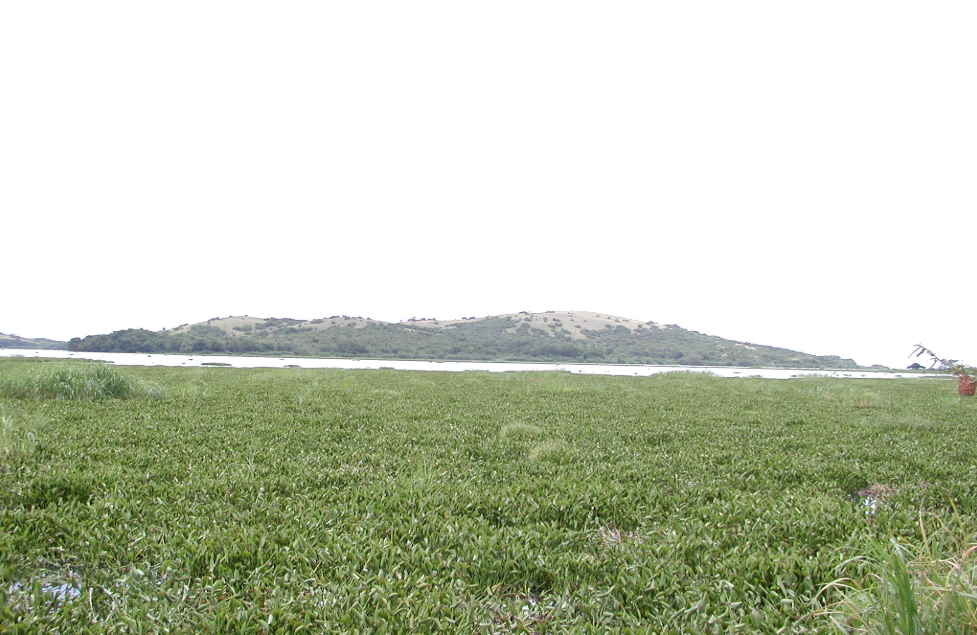
The primary biological consequence of land reform-induced runoff is eutrophication. When excessive nutrients enter the water, they trigger massive blooms of algae and invasive species like the water hyacinth. These plants consume available oxygen, creating “dead zones” where aquatic life cannot survive.
| Environmental Factor | Pre-Reform State | Post-Reform State |
|---|---|---|
| Nutrient Runoff | Minimal/Natural | High (Fertilizers & Silt) |
| Water Clarity | High (Deep Secchi depth) | Low (Turbid/Algal blooms) |
| Oxygen Levels | Stable across depths | Anoxic in bottom layers |
| Vegetation Buffer | Intact Savanna/Wetlands | Fragmented Farmland |
The Role of Chemical Fertilizers
As land was subdivided into smaller plots, farmers increasingly relied on chemical fertilizers to maintain soil fertility. The lack of proper irrigation infrastructure meant that during the rainy seasons, these chemicals were washed away, turning the lake into a nutrient-rich “soup” that fuels toxic cyanobacteria.

The Socio-Economic Toll and Biodiversity Collapse
The ecological decline of Lake Victoria is not just a biological tragedy; it is a humanitarian one. Millions of people in Uganda, Kenya, and Tanzania depend on the lake for protein and their livelihoods. The collapse of the native fish populations has sent shockwaves through the regional economy.
- Extinction of Cichlids: Hundreds of unique haplochromine cichlid species have vanished due to habitat loss and predation.
- The Nile Perch Dilemma: While the introduction of the Nile Perch initially boosted exports, the declining water quality is now threatening even this hardy species.
- Health Risks: Algal blooms produce toxins that contaminate drinking water and increase the prevalence of waterborne diseases.
Restoration Strategies and Expert Recommendations
Reversing the “death sentence” for Lake Victoria requires a multi-national effort that integrates land management with aquatic conservation. Experts suggest a “Basin-Wide” approach rather than localized interventions.
Pro Tips for Sustainable Land Management
To mitigate the impact of land reform on the lake ecosystem, the following strategies are essential:
- Riparian Buffer Zones: Mandatory 100-meter “no-farm” zones along all rivers flowing into the lake to filter sediment.
- Agroforestry: Integrating trees into farmland to stabilize soil and reduce nutrient leaching.
- Integrated Pest Management (IPM): Reducing reliance on synthetic chemicals that contribute to water toxicity.
Frequently Asked Questions (FAQ)
- Why is land reform specifically blamed for Lake Victoria’s decline?
- Land reform changed the land-use patterns from low-impact traditional farming to intensive agriculture, removing natural filters and increasing the volume of chemical runoff and silt entering the lake.
- What is the “Water Hyacinth” and why is it a problem?
- The water hyacinth is an invasive weed that thrives in nutrient-rich water. It forms thick mats that block sunlight, deplete oxygen, and prevent fishing boats from navigating the lake.
- Can the lake’s biodiversity ever be fully restored?
- While many extinct species are gone forever, restoring water quality can allow surviving species to stabilize and prevent further loss. It requires strict control of upstream pollution.
- How does deforestation in the savanna affect the lake?
- Deforestation removes the root systems that hold soil in place. During rains, this soil washes into the lake, causing siltation which destroys fish breeding grounds and reduces water volume.
- What can international consumers do to help?
- Supporting sustainable aquaculture and certified “lake-friendly” agricultural products from the region can incentivize better land-use practices among local farmers.