Kyoto, the ancient capital of Japan, is a city steeped in spiritual heritage, home to thousands of temples and shrines. Among these, the Zen Buddhist temples stand out as havens of tranquility, offering visitors a unique opportunity to escape the modern world’s relentless pace and reconnect with their inner selves. This guide transcends a simple listing of sites; it’s an invitation to understand the profound philosophy behind these architectural and horticultural masterpieces, and to experience their calming influence firsthand. We will explore not just where to go, but ‘the why’ behind their enduring power to slow down the mind, offering a path to mindfulness and inner peace.

The Essence of Zen and Its Temples in Kyoto
Zen Buddhism, a school of Mahayana Buddhism, arrived in Japan from China in the 12th century, profoundly influencing Japanese culture, art, and philosophy. Its core tenet emphasizes meditation and intuition over scripture, seeking enlightenment (satori) through direct experience. Kyoto’s Zen temples are not merely places of worship; they are living embodiments of these principles, designed to facilitate introspection and contemplation through their serene gardens, understated architecture, and ritualistic practices.
Historical Roots and Philosophy of Zen Buddhism
The introduction of Zen by figures like Eisai and Dōgen marked a pivotal moment in Japanese history, appealing particularly to the samurai class for its emphasis on discipline and self-mastery. The philosophy centers on concepts such as impermanence (mujo), emptiness (kū), and the importance of the present moment. These ideas are meticulously woven into the fabric of Zen temples, from the layout of their rock gardens to the simplicity of their tea houses, all encouraging visitors to shed distractions and focus on the immediate experience.
Architectural and Garden Principles: Karesansui and Wabi-sabi
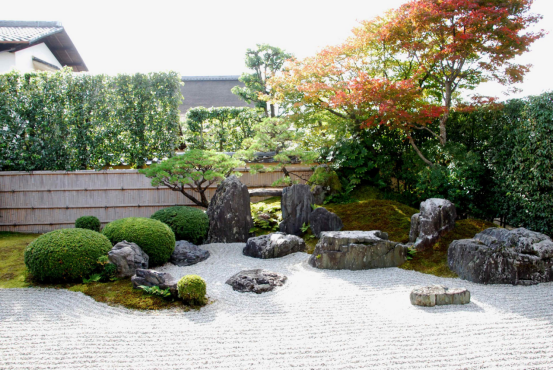
Central to the Zen temple experience are its gardens, particularly the karesansui, or dry landscape gardens. These minimalist gardens, often composed of carefully raked gravel, rocks, and moss, symbolize natural landscapes like oceans, mountains, or islands. They are not meant for strolling but for contemplation from a fixed vantage point, inviting the mind to find patterns and meaning in their abstract forms. The aesthetic principle of wabi-sabi, which celebrates beauty in imperfection, transience, and simplicity, is evident in every moss-covered stone and weathered wooden beam, fostering a sense of profound peace and acceptance.
The Practice of Zazen and Mindful Contemplation
Many Zen temples offer opportunities for zazen, seated meditation, or even short retreats. While not all visitors may participate in formal meditation, the very act of walking through a temple grounds can be a meditative experience. Mindful contemplation involves engaging all senses: observing the subtle play of light and shadow, listening to the gentle rustle of leaves or distant bells, feeling the texture of ancient wood, and embracing the quietude. This intentional engagement helps to anchor one in the present, a fundamental step in slowing down the mind.

Exploring Kyoto’s Premier Zen Temples for Contemplation
Kyoto boasts an unparalleled collection of Zen temples, each offering a unique atmosphere conducive to mindfulness. While many are famous for their beauty, we focus on those that particularly excel in creating an environment for deep contemplation and slowing down the mind. These five temples represent a diverse range of Zen aesthetics and experiences, from the stark simplicity of a rock garden to the lush grandeur of a stroll garden.
Ryoan-ji Temple: The Enigma of the Rock Garden
Ryoan-ji is perhaps the most famous Zen rock garden in the world. Its iconic karesansui garden features fifteen rocks of varying sizes, seemingly floating in a sea of white gravel, arranged so that from any vantage point, only fourteen are visible at any one time. This deliberate asymmetry and the challenge it poses to perception are central to its contemplative power. Visitors are encouraged to sit on the veranda, gaze upon the garden, and allow their minds to wander, seeking their own interpretations of its mysterious beauty. The temple grounds also include a tranquil pond garden for a different kind of natural beauty.
Kinkaku-ji (Golden Pavilion): Beauty and Impermanence
While Kinkaku-ji is renowned for its dazzling, gold-leaf-covered pavilion reflecting in Kyōko-chi (Mirror Pond), its true Zen lesson lies in its history of destruction and rebuilding. Originally a villa, it was converted into a Zen temple in 1408. Burnt down multiple times, most recently in 1950 by a deranged monk, its current form is a meticulous reconstruction. This cycle of destruction and renewal embodies the Buddhist concept of impermanence, reminding visitors that even the most exquisite beauty is fleeting. The surrounding stroll garden, designed for peaceful walking, further enhances the contemplative experience.
Ginkaku-ji (Silver Pavilion): Serenity and Subtle Artistry
Often seen as the aesthetic counterpart to Kinkaku-ji, Ginkaku-ji, or the Silver Pavilion, was never actually covered in silver. Its beauty lies in its understated elegance, embracing the wabi-sabi aesthetic. The temple’s most striking features are its unique dry sand garden, the “Sea of Silver Sand” (Ginshadan), and the cone-shaped “Moon Viewing Platform” (Kogetsudai). These elements are designed to evoke the moon’s reflection and mountain landscapes, inviting quiet introspection. The moss garden and traditional tea house further enhance the sense of serene harmony with nature.
Tenryu-ji Temple: Harmony with Nature in Arashiyama
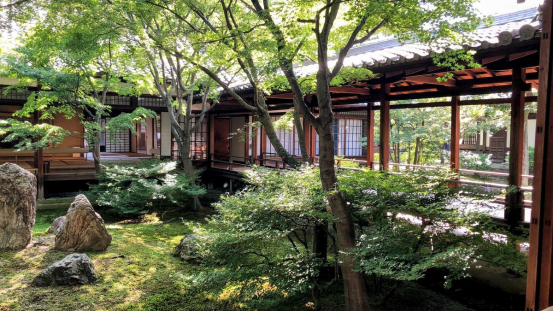
Located in the scenic Arashiyama district, Tenryu-ji is a UNESCO World Heritage site and the head temple of the Rinzai Zen sect. Its magnificent Sogenchi Teien (Sogen Pond Garden) is a prime example of a traditional Japanese stroll garden, seamlessly blending with the natural landscape of Arashiyama’s mountains. The garden’s design incorporates borrowed scenery, making the distant mountains an integral part of its composition. Walking through this garden, especially during the vibrant autumn or lush green summer, offers a profound connection to nature, encouraging a slow, mindful pace and appreciation for seasonal beauty.
Daitoku-ji Temple: A Complex of Zen Sub-temples
Daitoku-ji is not a single temple but a sprawling complex comprising a main temple and numerous sub-temples (tatchu), many of which have their own unique gardens and art collections. This vast complex offers a less crowded and more authentic Zen experience. Visiting sub-temples like Daisen-in with its miniature dry landscape garden, or Koto-in with its bamboo-lined path, allows for deeper, more personal moments of contemplation. The sheer scale and variety within Daitoku-ji provide ample opportunities to wander, reflect, and discover hidden pockets of peace, away from the main tourist throngs.

A Mindful Visitor’s Guide: Etiquette and Preparation
To truly slow down your mind and absorb the tranquil atmosphere of Kyoto’s Zen temples, it’s essential to approach your visit with respect and preparation. Understanding the cultural nuances and practicalities will enhance your experience, allowing for deeper contemplation and connection.
Etiquette and Respectful Conduct
Japanese temples are sacred spaces, and adherence to local customs is crucial. Always remove your shoes before entering temple buildings (slippers are often provided). Speak softly, avoid loud conversations, and refrain from running. Photography is generally allowed in gardens but often restricted or prohibited inside temple halls, especially where altars or important artifacts are present – always look for signs. Be mindful of others’ peace and avoid blocking views for extended periods. When observing the gardens, sit quietly and allow yourself to simply be present.
Best Times to Visit for Tranquility
To maximize the opportunity for quiet contemplation, consider visiting temples early in the morning, shortly after opening, or late in the afternoon, closer to closing time. Weekdays are generally less crowded than weekends. Avoiding major public holidays and peak tourist seasons (like cherry blossom season in spring and autumn leaves season in fall) will also significantly increase your chances of experiencing genuine tranquility. Even popular temples can offer moments of solitude if visited strategically.
Preparing for a Meditative Experience
Dress modestly and comfortably, as you may be sitting on the floor or walking extensively. Layers are advisable, as temperatures can vary. Bring a small bag for your shoes when entering buildings. Consider leaving your phone on silent or in your bag to minimize distractions. A small notebook and pen can be useful for jotting down reflections or observations without the electronic distraction of a phone. Most importantly, bring an open mind and a willingness to slow down, breathe, and simply observe.
Essential Temple Visit Checklist
- Comfortable walking shoes (easy to slip on/off)
- Modest clothing (shoulders and knees covered)
- Small bag for shoes (if not provided)
- Water bottle (stay hydrated, but drink discreetly)
- Camera (check photography rules beforehand)
- Small notebook and pen for reflections
- Portable power bank (for phone, if used for navigation)
- Hand sanitizer
- Cash for entrance fees and small purchases (some places are cash-only)
- An open heart and a patient mind
Deepening Your Zen Experience: Expert Tips & Comparisons
Beyond the initial visit, there are ways to enrich your understanding and integrate the lessons of Zen into your life. Comparing the nuances of different temples can also highlight the diverse expressions of Zen philosophy.
Pro Tips for a Profound Zen Encounter
- Embrace the Silence: Actively seek out the quietest spots within the temple grounds. Sometimes, the most profound insights come from simply listening to the absence of sound.
- Engage All Senses: Don’t just look. Smell the incense, feel the texture of the gravel underfoot (if walking in the garden), listen to the distant sounds, and taste the matcha tea if offered.
- Stay Longer: Instead of rushing through multiple temples, choose one or two and dedicate more time to each. Sit for an extended period in front of a garden, allowing your mind to settle.
- Join a Zazen Session: Many temples, especially those offering English services, welcome visitors to join morning zazen. This is the most authentic way to experience Zen practice.
- Visit a Tea House: Partake in a traditional tea ceremony (chado) within a temple setting. The ritualistic preparation and consumption of matcha are deeply rooted in Zen mindfulness.
- Read Up: Before or after your visit, delve into books on Zen philosophy, Japanese aesthetics, or the specific history of the temples you visited.
Comparing Kyoto’s Zen Sanctuaries
| Temple Name | Key Feature | Primary Focus | Best For | Crowd Level (Avg.) |
|---|---|---|---|---|
| Ryoan-ji | Iconic Rock Garden | Contemplation, Abstract Thought | Minimalists, Seekers of Enigma | Medium-High |
| Kinkaku-ji | Golden Pavilion, Stroll Garden | Beauty, Impermanence, Grandeur | Photographers, First-time visitors | High |
| Ginkaku-ji | Silver Pavilion, Dry Sand Garden | Wabi-sabi, Subtle Artistry | Aesthetic appreciation, Tranquility | Medium-High |
| Tenryu-ji | Large Stroll Garden, Arashiyama | Nature Integration, Borrowed Scenery | Nature lovers, Stroll Garden enthusiasts | Medium |
| Daitoku-ji | Complex of Sub-temples | Authenticity, Diverse Experiences | Deep dives, Avoiding crowds | Low-Medium |
Frequently Asked Questions (FAQ)
- What is the best time of year to visit Kyoto’s Zen temples for a mindful experience?
- While beautiful year-round, spring (cherry blossom) and autumn (fall foliage) are the busiest. For true tranquility and fewer crowds, aim for late autumn to early spring (excluding holidays) or the quieter summer months, particularly early mornings or late afternoons on weekdays.
- Do I need to understand Zen Buddhism to appreciate the temples?
- No, a deep understanding isn’t required. The beauty and serenity of the temples and gardens can be appreciated purely aesthetically. However, a basic grasp of Zen principles like mindfulness, impermanence, and simplicity will greatly enrich your experience and allow for deeper contemplation.
- Are there any particular Zen temples in Kyoto that are less crowded than others?
- Yes, the Daitoku-ji complex, with its numerous sub-temples, often provides a quieter experience as visitors disperse. Other less frequented but equally beautiful options include Nanzen-ji (especially its sub-temples like Tenjuan) and Shisendo Temple. Early morning visits to any temple can also significantly reduce crowd levels.
- Can I participate in Zen meditation (zazen) at these temples?
- Some temples offer zazen sessions for visitors, often with English instruction. For example, Shunkoin Temple at Myoshin-ji offers regular English-friendly zazen and temple tours. It’s best to check the official websites of individual temples or local tourist information centers for schedules and reservation requirements.
- What is the significance of the rock gardens (karesansui) in Zen temples?
- Karesansui gardens are symbolic landscapes designed for contemplation rather than direct interaction. The rocks often represent mountains or islands, and the raked gravel symbolizes water. They are meant to evoke natural scenes and encourage deep thought, offering a canvas for the mind to project its own interpretations and find a sense of peace and order.