Japanese Zen gardens, or Karesansui, represent a pinnacle of minimalist aesthetic and spiritual contemplation. Far more than mere landscaping, these spaces are carefully orchestrated environments designed to mirror the cosmos, evoke deep meditation, and express the profound principles of Zen Buddhism. Whether through the arrangement of weathered stones, the raking of white gravel, or the careful cultivation of moss, each element serves as a gateway to understanding the nature of existence and the beauty of “blank space” (Yohaku no bi).
The Philosophy and Spiritual Foundations of Zen Gardens
The core of the Zen garden lies in its ability to facilitate a “silent confrontation” between the viewer and the landscape. This tradition, which flourished during the Muromachi period, emphasizes the reduction of nature to its most essential forms. By stripping away the distractions of vibrant colors and flowing water, the garden invites the practitioner to look inward.
The Concept of Ma and Yohaku no bi
In Japanese aesthetics, Ma refers to the pure space or the interval between objects. In a Zen garden, the empty areas of raked sand are not “empty” in the Western sense; they are filled with potential and meaning. This is closely related to Yohaku no bi, the beauty of remaining white space. By leaving parts of the garden “blank,” the designer allows the viewer’s imagination to complete the landscape, turning a patch of gravel into a vast ocean or a mountain range emerging from the clouds.
Zen as a Tool for Meditation
Gardens like those found at Daitoku-ji and Ryoan-ji were built specifically for monks to practice Zazen (seated meditation). The stillness of the stones provides a stable focal point, while the rhythmic patterns in the sand represent the impermanence of the physical world. The act of raking the gravel itself is a form of moving meditation, requiring absolute focus and presence of mind.

Karesansui: The Art of the Dry Landscape
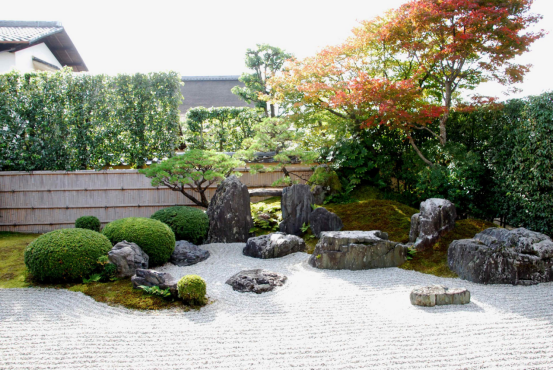
Karesansui, translated literally as “dry mountain and water,” is perhaps the most recognizable style of Japanese garden. These gardens use stones, gravel, and sand to represent mountains and rivers without the actual use of water. This abstraction allows for a timeless quality, as the “water” of the gravel never flows away and the “mountains” of the stones never crumble.
Ryoan-ji: The Mystery of the Fifteen Stones
The rock garden at Ryoan-ji in Kyoto is the world’s most famous example of Karesansui. Contained within a low earthen wall, fifteen stones of various sizes are arranged in five groups on a bed of white gravel. A fascinating architectural detail is that from any vantage point on the temple veranda, at least one stone is always hidden from view. This design choice is often interpreted as a reminder of human limitation and the idea that the “whole” truth is rarely visible from a single perspective.
Tofukuji: Modernity Meets Tradition
At Tofukuji Temple, the Abbot’s Garden (Hojo) showcases a unique blend of traditional Zen concepts and modern geometric influences. Designed by Mirei Shigemori in 1939, it features a striking “checkerboard” pattern of moss and square stones. This garden demonstrates how Zen aesthetics can evolve, using sharp lines and shadows to create a dynamic yet silent confrontation with the viewer.
- Stone Arrangements: Often placed in odd numbers (3, 5, 7) to avoid the artificiality of symmetry.
- Raked Gravel: Patterns usually represent ripples in water, waves, or swirling currents.
- Moss Accents: Used sparingly to represent islands or forested hillsides within the dry sea.

Chisen-kaiyu-shiki: The Strolling Pond Garden
While Karesansui focuses on static contemplation from a fixed point, the Chisen-kaiyu-shiki (strolling pond garden) encourages movement. These gardens are designed to be experienced by walking along a prescribed path, with each turn revealing a new, carefully composed “picture.”
Kiyosumi Garden: The Daimyo Legacy
Located in Tokyo, Kiyosumi Garden is a classic example of a “Daimyo” (feudal lord) garden from the Edo period. It centers around a massive pond and is famous for its Iso-watari—stepping stones placed near the water’s edge. As visitors step across these stones, the view of the pond changes, reflecting the changing nature of life itself. The garden also incorporates massive stones collected from across Japan, highlighting the wealth and power of its former owners, the Iwasaki family.
The Nagoya Tokugawa Garden
The Tokugawa Garden in Nagoya exemplifies the fusion of samurai spirit and garden artistry. It features a large pond representing the sea and a sophisticated waterfall system (Ryumon-no-taki). The garden’s layout is a “miniature landscape,” where a short walk can take the visitor from high mountain streams to broad coastal vistas, symbolizing the vastness of the Tokugawa shogunate’s domain.

The Verdant World of Moss and Reflection
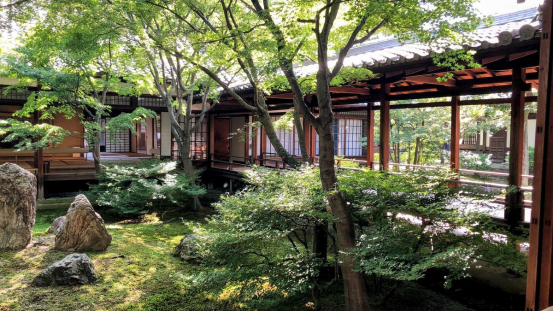
In some Zen traditions, the focus shifts from the starkness of stone to the lush, living textures of moss and the crystal-clear reflections of water. These gardens emphasize the passage of time and the harmony between the organic and the inorganic.
Saiho-ji: The Moss Temple
Saiho-ji, commonly known as Kokedera, is a UNESCO World Heritage site in Kyoto covered in over 120 varieties of moss. The garden is divided into two levels: a dry landscape on the upper level and a pond garden on the lower level. The moss, which has grown undisturbed for centuries, creates a “thousand-year” verdant carpet that absorbs sound and light, offering a sense of ultimate tranquility. Access to Saiho-ji is strictly controlled, requiring a written application and participation in sutra chanting, ensuring the garden remains a place of spiritual practice rather than just a tourist site.
Kodaiji and the Art of Reflection
The Mirror Lake Pond at Kodaiji Temple is a masterpiece of reflective art. Designed to be viewed especially during the “water and moon” festivals, the pond acts as a perfect mirror for the surrounding maple trees and the temple’s architecture. This reflection serves as a Zen metaphor for the illusory nature of the physical world—what we see in the water is a perfect image, yet it has no substance.

Samurai Spirit and Imperial Elegance
The design of Japanese gardens was often influenced by the social class of their patrons. Samurai gardens tend to be bold and structured, while Imperial gardens focus on refined, poetic elegance.
Kencho-ji: The Grandeur of Kamakura
As the first Zen temple in Kamakura, Kencho-ji features a garden that incorporates the surrounding mountain landscape (shakkei or “borrowed scenery”). The garden was designed by the Zen master Rankei Doryu and reflects the rugged, disciplined spirit of the samurai who governed Kamakura. The pond is shaped like the Chinese character for “mind” or “heart” (shin), reminding practitioners that the external landscape is a reflection of their internal state.
Katsura Imperial Villa: The Royal Standard
The Katsura Imperial Villa is often cited as the pinnacle of Japanese architecture and garden design. Its dry landscape sections are subtle and integrated into the Sukiya-zukuri style buildings. The garden uses “miegakure” (hide and reveal) techniques to ensure that the entire landscape is never seen at once, forcing the visitor to engage with each detail individually. It represents the “hidden royal Zen,” where luxury is found in simplicity and perfect proportion.

Essential Elements of Zen Garden Design
To understand the complexity of these gardens, one must look at the specific elements that comprise them. Each component is chosen for its symbolic weight and aesthetic contribution.
| Element | Symbolism | Common Application |
|---|---|---|
| Stones (Ishi) | Stability, eternity, islands, or mountains. | Grouped in odd numbers; “re-rooted” deep in the soil. |
| Water (Mizu) | Purification, life force, and the flow of time. | Ponds, streams, or waterfalls (real or represented). |
| Sand/Gravel (Suna) | The ocean, clouds, or the void (emptiness). | Raked in concentric or parallel lines. |
| Bridges (Hashi) | The transition from the human world to the spiritual. | Made of stone, wood, or earth (dobashi). |
| Plants (Shokubutsu) | The seasons and the impermanence of life. | Pine trees (longevity), Moss (ancient history). |

Planning Your Visit to Japan’s Zen Retreats
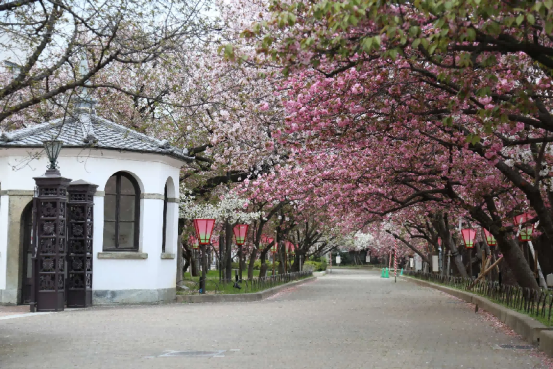
Visiting a Zen garden requires a different mindset than visiting a park. To fully appreciate the artistry, one should approach with patience and silence. Many gardens, such as the Osaka Mint Bureau Garden, offer seasonal highlights like cherry blossoms or autumn leaves that complement the permanent structures of ponds and fountains.
Best Times to Visit
While Zen gardens are designed to be beautiful year-round, certain seasons offer unique experiences. Winter highlights the “bones” of the garden—the stones and branches—often covered in a dusting of snow. Spring and autumn bring color, but summer is when the moss gardens, like those at Myoshinji, are at their most vibrant green. Early morning is the best time to visit to avoid crowds and experience the gardens in their intended silence.
Etiquette for Zen Gardens
When visiting these sacred spaces, it is essential to follow local etiquette. This includes staying on designated paths, avoiding loud conversations, and in many cases, removing shoes before entering temple verandas. Photography is often allowed, but the use of tripods is frequently restricted to maintain the peaceful atmosphere for all visitors.
Frequently Asked Questions (FAQ)
- Q1: Why are there exactly 15 stones in Ryoan-ji?
- The number 15 is significant in Buddhism, representing “completeness” or “perfection.” However, the design ensures that only 14 can be seen at once by a human eye, symbolizing that as long as we are in our physical bodies, perfection is unattainable and there is always more to learn.
- Q2: What is the purpose of raking the gravel in a Zen garden?
- Raking serves two purposes. Aesthetically, it creates patterns that represent water or clouds. Spiritually, the act of raking is a meditative practice for monks, requiring deep concentration, rhythm, and a clear mind to create perfect, unwavering lines.
- Q3: Can I visit the Moss Temple (Saiho-ji) without a reservation?
- No. Saiho-ji requires a strict reservation process that must be completed weeks or months in advance. Visitors must also participate in a Buddhist ceremony, such as Kito (chanting) or Shakyo (sutra copying), before they are permitted to enter the garden.
- Q4: What is “Borrowed Scenery” (Shakkei)?
- Shakkei is a design technique where distant landscapes, such as mountains or forests outside the garden’s actual boundaries, are incorporated into the garden’s composition. This makes a small space feel vast and connects the man-made garden to the natural world beyond.
- Q5: Are Zen gardens only found in Kyoto?
- While Kyoto is the heart of Zen tradition, exceptional gardens can be found across Japan. Tokyo’s Kiyosumi Garden, Kamakura’s Kencho-ji, and Nagoya’s Tokugawa Garden are all prime examples of high-level garden artistry outside of Kyoto.