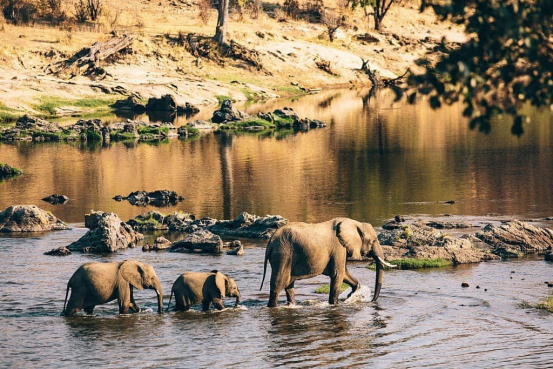
Tanzania is not merely a destination; it is the beating heart of the African wilderness. For nature enthusiasts, it represents the pinnacle of biodiversity and conservation success. From the vast, undulating savannahs of the Serengeti to the mist-shrouded peaks of Mount Kilimanjaro, the country offers a vertical and horizontal expansion of natural beauty that is unmatched globally. Understanding the delicate balance of these ecosystems is key to appreciating the majesty of a Tanzanian expedition.
The Serengeti Ecosystem and the Great Migration
The Serengeti National Park is synonymous with the wild. Spanning approximately 14,750 square kilometers, it hosts the most impressive wildlife spectacle on Earth: The Great Migration. This is not just a seasonal event but a year-round circular journey of over two million wildebeest, zebras, and gazelles driven by the search for green pastures and water.
The Biological Clock: Timing Your Visit
The migration follows a predictable yet weather-dependent rhythm. Between June and October, the dramatic Mara River crossings occur, where herds brave crocodile-infested waters. During the calving season in January and February, the southern plains of Ndutu become a nursery, attracting high concentrations of predators like lions, cheetahs, and hyenas.
Expert Advice: Serengeti Safari
- Stay in Mobile Camps: To stay close to the migration, choose mobile tented camps that move seasonally based on herd locations.
- Morning Game Drives: Predators are most active at dawn. Aim to be out of the lodge by 6:00 AM for the best sightings.

The Ngorongoro Crater: A Natural Amphitheater
Formed nearly three million years ago when a massive volcano erupted and collapsed on itself, the Ngorongoro Crater is the world’s largest inactive, intact, and unfilled volcanic caldera. This 600-meter deep “bowl” has created a unique self-contained ecosystem where wildlife thrives in high density.
A Sanctuary for the Black Rhino
The crater floor provides a rare opportunity to see the endangered Black Rhino in its natural habitat. The enclosed nature of the caldera offers a level of protection that has allowed several resident populations to remain stable. Unlike the Serengeti, many animals here do not migrate, making it a reliable year-round destination for wildlife viewing.
| Feature | Ngorongoro Crater | Serengeti National Park |
|---|---|---|
| Landscape | Sunken Volcanic Caldera | Vast Open Plains |
| Wildlife Density | Extremely High / Concentrated | Dispersed / Migratory |
| Best For | The Big Five in one day | The Great Migration spectacle |
| Climate | Cooler rim, temperate floor | Hot and dry savannah |

Mount Kilimanjaro: The Roof of Africa
Rising 5,895 meters above sea level, Mount Kilimanjaro is the highest peak in Africa and the tallest free-standing mountain in the world. It is a dormant volcano composed of three distinct cones: Kibo, Mawenzi, and Shira. For nature lovers, the trek to the summit is a journey through five distinct ecological zones, ranging from tropical rainforest to arctic desert.
Ecological Stratification
As you ascend, the environment changes drastically. The cultivation zone (800m-1,800m) gives way to the rainforest (1,800m-2,800m), home to blue monkeys and exotic birds. Higher up, the moorland and alpine desert zones showcase unique flora like the Giant Lobelia and Groundsel, which have evolved to survive extreme temperature fluctuations.
Conservation and Climate Change
The iconic glaciers of Kilimanjaro are a stark reminder of environmental changes. Scientists estimate that these glaciers have lost over 80% of their mass since 1912. Visiting this mountain today offers a poignant look at the fragility of our planet’s high-altitude environments.
Strategic Logistics for a Tanzanian Expedition
Planning a trip to Tanzania requires careful consideration of the “Short Rains” (November-December) and the “Long Rains” (March-May). While the dry season (June-October) is traditional for safaris, the “Green Season” offers lush landscapes, fewer tourists, and lower costs.
Wildlife Checklist for Travelers
- Binoculars: Essential for spotting leopards hidden in acacia trees.
- Neutral Clothing: Khaki, olive, and tan colors help you blend into the environment and avoid attracting Tsetse flies.
- Health Prep: Consult a travel clinic regarding Yellow Fever certification and Malaria prophylaxis.
Frequently Asked Questions (FAQ)
- When is the best time to see the Great Migration?
- The best time depends on which part of the migration you want to see. For the river crossings, visit between July and September. For the calving season, aim for late January to February.
- Do I need a visa to visit Tanzania?
- Most international travelers require a visa. Tanzania offers an “e-Visa” system which is recommended to be processed at least two weeks before departure.
- Is it safe to go on a walking safari?
- Yes, provided it is led by a licensed and armed park ranger. Walking safaris offer a unique perspective on the smaller details of the bush, such as tracks, insects, and plants.
- Can I combine a safari with a beach holiday?
- Absolutely. Many travelers fly from the Serengeti or Arusha to Zanzibar for a “Bush and Beach” experience, enjoying the white sands of the Indian Ocean after their safari.
- What is the ‘Big Five’ and can I see them all in Tanzania?
- The Big Five includes the Lion, Leopard, Elephant, Buffalo, and Rhino. Tanzania is one of the few places where you have a very high chance of seeing all five, especially if you visit both the Serengeti and Ngorongoro.