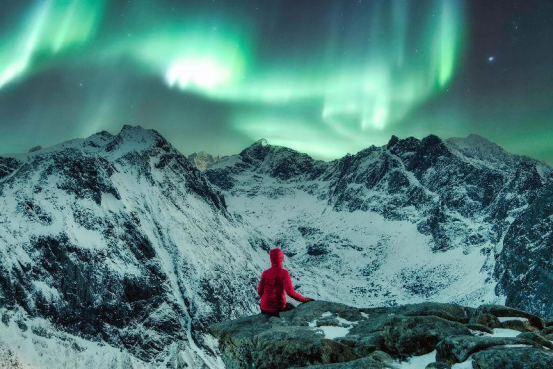
The aurora borealis, or Northern Lights, is a celestial ballet of light that has captivated humanity for millennia. It’s a bucket-list spectacle, a vibrant dance of green, pink, and violet hues across the arctic sky. Transforming a dream of seeing this phenomenon into reality requires careful planning. This guide takes inspiration from a journey through Norway’s majestic fjords and Finland’s iconic glass igloos to provide a comprehensive roadmap for your own aurora-chasing adventure. We’ll delve into the science, the planning, and the unique experiences each location offers, ensuring you’re fully prepared to witness that magical “touch of green.”
Understanding the Aurora Borealis: The Science Behind the Magic
While the Northern Lights appear magical, their origin lies in powerful solar science. Understanding the basics can significantly enhance your appreciation for the spectacle and help you plan your trip around peak viewing conditions. It’s not just about being in the right place; it’s about being there at the right time, when the sun and Earth’s atmosphere align.
What Causes the Northern Lights?
The phenomenon begins at the sun, which constantly emits a stream of charged particles known as solar wind. As this solar wind travels through space and reaches Earth, it interacts with our planet’s magnetic field (the magnetosphere). This field funnels the particles towards the polar regions. When these high-energy particles collide with gases like oxygen and nitrogen in the Earth’s upper atmosphere, they transfer their energy, causing the gas atoms to glow. The color of the aurora depends on which gas is being excited and at what altitude; green, the most common color, is from oxygen at lower altitudes, while red or violet hues can be produced by oxygen at higher altitudes or by nitrogen.
Decoding the KP-Index and Aurora Forecasts
To increase your chances of a sighting, you must become familiar with aurora forecasts. The most common metric is the KP-index, which measures geomagnetic activity on a scale from 0 to 9. A KP-index of 0-2 indicates low activity, while a KP of 5 or higher is considered a geomagnetic storm, often resulting in a spectacular and widespread auroral display. Apps and websites like SpaceWeatherLive and Aurora Forecast provide real-time KP-index values and predictions, which are essential tools for any serious aurora hunter.

Planning Your Nordic Aurora Expedition
A successful Northern Lights trip is built on a foundation of solid planning. From choosing the right season to packing the appropriate gear, every detail matters when you’re heading into the Arctic Circle.
The Best Time of Year to Go
The aurora is technically active year-round, but you need dark skies to see it. The prime aurora-hunting season in the Northern Hemisphere runs from late September to late March. During these months, the nights are long and dark, providing the perfect canvas for the lights. The periods around the autumn and spring equinoxes (September/October and March) are often cited as having increased geomagnetic activity, potentially leading to more intense displays.
Essential Gear: What to Pack for the Arctic Cold
Staying warm is not just about comfort; it’s about safety and endurance. You will likely spend hours outside in freezing temperatures, so proper clothing is non-negotiable.
- Base Layer: Merino wool or synthetic thermal underwear to wick away moisture.
- Mid Layer: Fleece or down jackets to trap body heat.
- Outer Layer: A waterproof and windproof jacket and pants (ski wear is ideal).
- Footwear: Insulated, waterproof winter boots with thick wool socks.
- Accessories: A warm hat that covers your ears, a neck gaiter or balaclava, and insulated gloves or mittens. Hand and foot warmers are also highly recommended.
- Electronics: A headlamp with a red-light setting to preserve night vision, and a portable power bank, as cold temperatures drain batteries quickly.

The Norwegian Fjord Experience: Nature’s Grand Theater
Norway offers a dramatic and rugged backdrop for viewing the Northern Lights. The deep, dark fjords, framed by snow-capped mountains, create a stunning contrast with the vibrant colors of the aurora. The coastal climate, influenced by the Gulf Stream, can also lead to more dynamic and rapidly changing weather conditions.
Top Fjord Locations for Aurora Hunting
The city of Tromsø, often called the “Paris of the North,” is a major hub for aurora tourism. It’s located well within the Arctic Circle and offers a wide range of tours, from bus chases to boat trips on the fjords. For a more remote experience, the Lofoten Islands provide an unparalleled landscape of sharp peaks rising directly from the sea, offering breathtaking compositions for photographers.
Activities Beyond the Aurora
A trip to Norway in winter is about more than just the night sky. Daytime activities enrich the experience. Consider dog sledding across frozen plateaus, taking a scenic fjord cruise to witness the winter landscape from the water, or learning about the local Sámi culture. These activities make the trip a complete Arctic adventure, ensuring you have incredible memories even on cloudy nights.
The Finnish Glass Igloo: A Room with a Celestial View
Finnish Lapland offers a different kind of magic—one of serene, snow-covered forests and the unique experience of sleeping under the stars in a glass-domed igloo. This concept allows you to watch for the aurora from the warmth and comfort of your bed.
The Allure of Sleeping Under the Stars
Destinations like Kakslauttanen Arctic Resort and Levin Iglut have pioneered this accommodation style. The thermal glass roofs are designed to stay free of frost and snow, providing a clear, panoramic view of the night sky. The experience of lying in bed and watching the Northern Lights dance directly above you is truly unforgettable and a major draw for travelers seeking a blend of nature and comfort.
Managing Expectations and Costs
This unique experience comes at a premium price. It’s essential to book well in advance, especially during peak season. While the igloos provide a fantastic viewing opportunity, they are still subject to weather conditions. It’s wise to combine a stay in a glass igloo with other nights in more traditional accommodation to balance the budget and experience other aspects of Lapland, such as reindeer safaris and snowmobiling.
Comparison: Norway Fjords vs. Finnish Lapland for Aurora Hunting
Choosing between these two incredible destinations can be tough. The best choice depends on your priorities, whether they be dramatic landscapes, unique accommodations, or specific daytime activities.
| Feature | Norway (Fjords/Tromsø) | Finland (Lapland/Glass Igloos) |
|---|---|---|
| Landscape | Dramatic mountains, deep fjords, coastal scenery. | Rolling fells, snow-laden forests, frozen lakes. |
| Primary Draw | Stunning natural backdrops for photography and adventure. | Unique glass igloo accommodations for comfortable viewing. |
| Climate | Milder but more volatile coastal weather. | Colder and more stable inland continental climate. |
| Activities | Fjord cruises, whale watching (seasonal), mountain hiking. | Reindeer/husky safaris, snowmobiling, visiting Santa Claus Village. |
| Accessibility | Tromsø is a major city with good flight connections. | Requires flights to smaller airports like Ivalo or Kittilä. |
Frequently Asked Questions (FAQ)
- Is seeing the Northern Lights guaranteed on a trip?
- No, seeing the aurora is never guaranteed. It is a natural phenomenon that depends on solar activity and clear, dark skies. To maximize your chances, plan a trip of at least 4-5 nights in a prime location during the peak season and stay flexible with your plans to chase clear skies if necessary.
- What camera settings are best for photographing the aurora?
- You will need a camera with manual controls and a sturdy tripod. Start with these settings and adjust as needed: use a wide-angle lens, set the aperture as wide as possible (e.g., f/2.8 or lower), set ISO between 1600-3200, and use a shutter speed of 5-20 seconds. Focus manually on a distant star.
- How cold does it actually get in the Arctic Circle?
- Temperatures can vary, but you should be prepared for conditions ranging from 0°C (32°F) to as low as -30°C (-22°F) or colder, especially in Finnish Lapland. The wind chill can make it feel even colder, which is why windproof outer layers are crucial.
- Can I see the Northern Lights from a city like Tromsø?
- Yes, if the aurora is strong enough, it can be visible from the city. However, light pollution will significantly diminish the experience. For the best viewing and photography, it is highly recommended to join a tour that takes you away from the city lights into the surrounding wilderness.
- Is it better to book a tour or look for the lights independently?
- For first-time visitors, booking a guided tour is highly recommended. Experienced guides are experts at reading weather patterns and aurora forecasts. They know the best local spots with minimal light pollution and can often drive long distances to find a break in the clouds, drastically increasing your chances of a successful sighting.