The Magic of the Canadian Rockies: Why Banff Captivates the Soul
The Canadian Rockies represent one of the most dramatic and visually stunning geological formations on the planet. A 7-day in-depth tour of Banff National Park is not merely a vacation; it is an immersion into a landscape carved by ancient glaciers and immense tectonic forces. To truly understand the tenderness and raw power of the Rocky Mountains, one must look beyond the postcard-perfect views and delve into the natural history that shaped this UNESCO World Heritage site.
The Geological Phenomenon of Glacial Flour
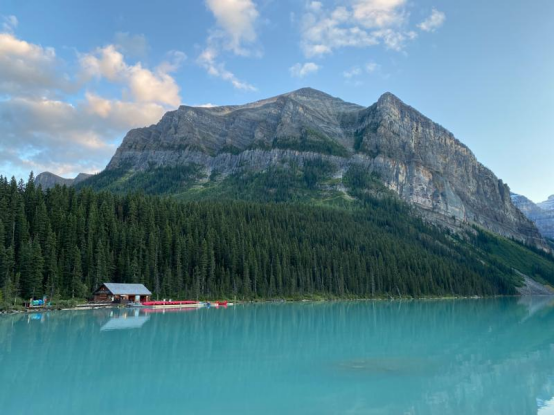
When visitors first lay eyes on Lake Louise, the striking, almost unnatural turquoise color of the water leaves them breathless. This signature hue is the result of “rock flour” or glacial flour. As massive glaciers slowly grind against the underlying limestone and quartzite bedrock, they produce a fine, powdery silt. Meltwater carries this silt into the lakes, where the suspended particles absorb all colors of the light spectrum except for blue and green, reflecting a brilliant emerald brilliance back to the viewer. Understanding this process transforms a simple sightseeing stop into a profound appreciation for glacial mechanics.
Historical Context: The Birth of Canada’s First National Park
Banff’s modern history began in 1883 when three railway workers stumbled upon natural hot springs at the base of Sulphur Mountain. Recognizing the immense potential for tourism and conservation, the Canadian government established the Rocky Mountains Park in 1885, making it Canada’s first national park and the third in the world. Today, tracing the steps of those early explorers adds a layer of rich heritage to your 7-day journey.

The Ultimate 7-Day Banff Itinerary Breakdown
Crafting the perfect week-long itinerary requires balancing iconic landmarks with off-the-beaten-path experiences. This meticulously structured plan ensures you witness the morning mist of Lake Louise while avoiding the heaviest crowds, allowing for moments of quiet reflection amidst the towering peaks.
Days 1-2: Arrival and the Majesty of Lake Louise
Begin your journey by establishing a basecamp in Banff townsite or the hamlet of Lake Louise. Dedicate your first full morning to Lake Louise. Arriving before sunrise is crucial; not only do you beat the crowds, but you also witness the legendary morning mist. This ethereal fog forms due to a temperature inversion, where the cold mountain air settles over the relatively warmer lake water. As the sun breaches the Victoria Glacier, the mist burns off, revealing the iconic reflection of the mountains. Spend the afternoon hiking the Lake Agnes Tea House trail for panoramic elevations.
Days 3-4: The Icefields Parkway and Moraine Lake
No Banff tour is complete without traversing the Icefields Parkway (Highway 93), consistently ranked as one of the most scenic drives in the world. Dedicate a full day to driving north toward Jasper, stopping at Bow Lake, Peyto Lake, and the Columbia Icefield. On Day 4, shift your focus to Moraine Lake. Nestled in the Valley of the Ten Peaks, Moraine Lake offers a more rugged and dramatic landscape compared to the aristocratic elegance of Lake Louise.
Lake Louise vs. Moraine Lake: A Quick Comparison
| Feature | Lake Louise | Moraine Lake |
|---|---|---|
| Water Color | Milky emerald green | Vivid, deep turquoise blue |
| Accessibility | Open year-round, personal vehicles allowed (extremely limited parking) | Road closed in winter, mandatory shuttle access only during summer |
| Atmosphere | Grand, historic (Fairmont Chateau), highly trafficked | Rugged, dramatic Valley of the Ten Peaks, slightly more remote feel |
Days 5-7: Hidden Gems, Yoho National Park, and Wildlife
Cross the provincial border into British Columbia to explore Yoho National Park. Marvel at the sheer force of Takakkaw Falls and the pristine tranquility of Emerald Lake. Use your final days to soak in the Banff Upper Hot Springs, ride the Banff Gondola for a sunset view over the Bow Valley, and scout for wildlife such as elk, bighorn sheep, and black bears along the Bow Valley Parkway (Highway 1A).
Essential Pro Tips for Navigating Banff National Park
To elevate your Rocky Mountain adventure from good to flawless, strategic preparation is non-negotiable. The alpine environment is unpredictable, and the immense popularity of the park requires logistical foresight.
Expert Advice: Beating the Crowds
The golden rule of Banff is the “Early Bird or Night Owl” strategy. Popular spots like Johnston Canyon and Lake Louise see peak congestion between 10:00 AM and 4:00 PM. Plan your major hikes for 6:00 AM or after 5:00 PM. The twilight hours not only offer solitude but also provide the best lighting for photography and the highest chances of spotting active wildlife.
Technical Banff Packing Checklist
- Bear Spray: Mandatory for all hikes; keep it accessible on your belt or chest strap, never buried inside your backpack.
- Layered Clothing: Mountain weather shifts rapidly. Bring a moisture-wicking base layer, an insulating mid-layer (fleece or down), and a breathable waterproof shell.
- Sturdy Hiking Boots: Essential for navigating rocky terrain, tree roots, and potentially muddy alpine trails.
- Parks Canada Discovery Pass: Required for entry and parking across all Canadian national parks. Purchase this online in advance to skip the gate lines.
Frequently Asked Questions (FAQ)
- What is the best time of year to visit Banff for a 7-day tour?
- The optimal time depends on your goals. For hiking and turquoise lakes, late June through mid-September is ideal. September offers spectacular golden larch trees and fewer crowds. For winter sports and snowy landscapes, January to March is best.
- Do I need a rental car to explore Banff and Lake Louise?
- While a rental car offers the most flexibility for exploring the Icefields Parkway and hidden gems, it is not strictly necessary. Parks Canada operates an extensive and efficient public transit system (Roam Transit) that connects Banff, Canmore, Lake Louise, and Johnston Canyon.
- How difficult are the hiking trails around Lake Louise?
- Lake Louise offers trails for all skill levels. The lakeshore stroll is flat and accessible. The Lake Agnes Tea House trail is a moderate, steady incline suitable for most active individuals. The Plain of Six Glaciers and Mount St. Piran offer strenuous, full-day challenges for experienced hikers.
- Is it safe to hike in bear country?
- Yes, provided you follow strict safety protocols. Always hike in groups, make continuous loud noise to avoid surprising a bear, carry bear spray (and know how to use it), and never approach or feed wildlife. Check trail reports daily for seasonal closures or bear warnings.