The world’s archipelagos offer more than just sun and sand; they are biological fortresses, historical repositories, and geological marvels. Whether it is the limestone formations of Micronesia or the volcanic activity of the Mediterranean, islands provide a concentrated look at the planet’s most diverse ecosystems. This guide synthesizes data from the most significant island clusters globally to provide a definitive resource for travelers and geography enthusiasts alike.
The Pacific Powerhouses: Palau and the Solomon Islands
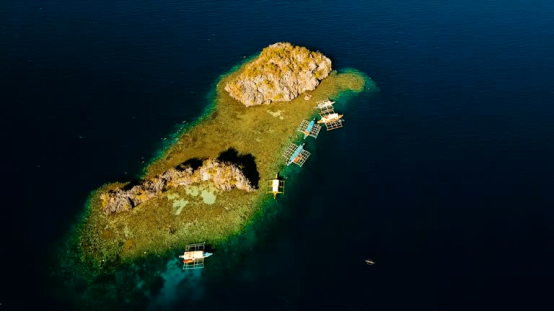
The Pacific Ocean houses some of the most pristine marine environments on Earth. Palau, specifically its Rock Islands Southern Lagoon, is a UNESCO World Heritage site consisting of over 400 emerald-green limestone islands. These islands are famous for their “mushroom” shape, caused by centuries of erosion and the grazing of marine organisms at the waterline.
Palau’s Marine Biodiversity and WWII History
Palau is not only a sanctuary for coral but also a living museum of World War II history. The waters surrounding the Rock Islands are home to over 1,300 species of fish and 700 species of coral. Divers and snorkelers frequently visit sites like the Big Drop-off, a vertical wall teeming with sea fans and reef sharks. Beyond the natural beauty, the seabed holds the remnants of the Pacific War, including the Helmet Wreck and various Japanese Zero planes, which have now become artificial reefs.
The Solomon Islands: Marovo and Tetepare
Further south, the Solomon Islands offer a glimpse into untouched wilderness. Marovo Lagoon is recognized as the world’s largest saltwater lagoon, defined by its complex reef systems and traditional stilt-house villages. Nearby, Tetepare Island stands as the largest uninhabited tropical island in the South Pacific. It is a critical conservation success story, managed by the Tetepare Descendants’ Association to protect its leatherback turtle nesting beaches and primary rainforests.

European Island Gems: Mediterranean and Adriatic Classics
Europe’s islands are characterized by a blend of ancient civilization and dramatic geology. From the volcanic Aeolian chain to the family-centric Greek Isles and the rugged Croatian coast, the region offers diverse experiences for every type of traveler.
The Aeolian Islands: Volcanic Majesty
Located off the coast of Sicily, the Aeolian Islands (Vulcano, Lipari, Salina, Panarea, Stromboli, Filicudi, and Alicudi) are a UNESCO-protected volcanic archipelago. Stromboli is one of the most active volcanoes in the world, famous for its “Sciara del Fuoco” (Stream of Fire). Visitors can witness nocturnal eruptions from boats, providing a rare look at the Earth’s internal forces. Vulcano, meanwhile, is renowned for its therapeutic mud baths and sulfurous fumaroles.
Family-Friendly Greece and Sailing in Croatia
The Greek Islands are often categorized by their suitability for families. Islands like Naxos and Corfu are preferred for their shallow waters and accessible mythological sites. In contrast, the Croatian Islands along the Dalmatian coast, such as Hvar and Vis, are best explored by boat. The Blue Cave on Biševo is a highlight, where sunlight reflects through an underwater opening to bathe the cavern in a brilliant aquamarine light.

Remote Ecological Frontiers: Galapagos and Juan Fernandez
For those seeking biological rarities, the islands of the Eastern Pacific are unparalleled. These destinations require careful planning regarding seasonality and environmental impact.
Timing Your Visit to the Galapagos
The Galapagos Islands experience two distinct seasons that dictate wildlife behavior:
| Season | Months | Characteristics | Wildlife Highlights |
|---|---|---|---|
| Warm Season | December – May | Calm seas, warm water (25°C), occasional rain. | Sea turtles nesting, land birds mating. |
| Garua (Cool) Season | June – November | Choppier seas, cooler water (22°C), misty air. | Humpback whales, Blue-footed boobies nesting. |
Choosing the right time to visit depends on whether you prioritize snorkeling comfort (Warm Season) or seeing specific marine mammals and seabird rituals (Cool Season).
The Legend of Juan Fernandez and Osa Peninsula
Chile’s Juan Fernandez Islands are best known for Robinson Crusoe Island, where sailor Alexander Selkirk was marooned, inspiring Daniel Defoe’s famous novel. The islands are home to the endemic Juan Fernández firecrown hummingbird. Similarly, while not an island, Costa Rica’s Osa Peninsula functions as a “biological island,” containing 2.5% of the world’s biodiversity. It is the only place in Costa Rica where all four native monkey species (Howler, Spider, Capuchin, and Squirrel) can be seen in one location.

Cultural and Tropical Paradises: Ryukyu and the Bahamas
Islands also serve as cultural bastions. The Ryukyu Islands of Japan, stretching from Kyushu to Taiwan, maintain a distinct identity from mainland Japan. Okinawa, the largest island, is famous for its “Blue Zone” longevity and the historic Shuri Castle. The islands offer a mix of subtropical jungles and coral reefs, such as those found in Ishigaki and Iriomote.
In the Atlantic, the Bahamas Outlying Islands (or Family Islands) like Exuma and Eleuthera offer a stark contrast to the bustling hubs of Nassau. These islands are defined by their “flats,” shallow areas of turquoise water perfect for bonefishing and observing the famous swimming pigs. The geological structure of the Bahamas, built on massive carbonate platforms, creates some of the clearest waters on the planet.
Frequently Asked Questions (FAQ)
- Q1: What is the best way to see the WWII wrecks in Palau?
- The best way is through organized scuba diving tours departing from Koror. Many wrecks, like the Helmet Wreck, are located at depths accessible to recreational divers (15-30 meters), while some planes can even be seen by snorkelers during low tide in the Rock Islands.
- Q2: Are the Aeolian Islands suitable for travelers with limited mobility?
- Some islands are more accessible than others. Lipari is the most developed with better road infrastructure. However, islands like Stromboli and Alicudi involve steep climbs and many stairs, making them challenging for those with mobility issues.
- Q3: Which Greek island is best for toddlers?
- Naxos is widely considered the best for toddlers due to its long, sandy beaches like Agios Prokopios, which have very shallow, calm waters and plenty of amenities nearby.
- Q4: Do I need a permit to visit Tetepare in the Solomon Islands?
- Yes, visits must be coordinated through the Tetepare Descendants’ Association (TDA). As a conservation area, they limit the number of visitors to ensure minimal impact on the leatherback turtle nesting sites and the island’s primary forest.
- Q5: What should I pack for a trip to the Galapagos in the Garua season?
- During the cool season (June-November), you should pack a high-quality wetsuit (3mm or 5mm) for snorkeling, as water temperatures drop significantly. Additionally, bring a light windbreaker for the misty “Garua” weather and sturdy hiking shoes for volcanic terrain.