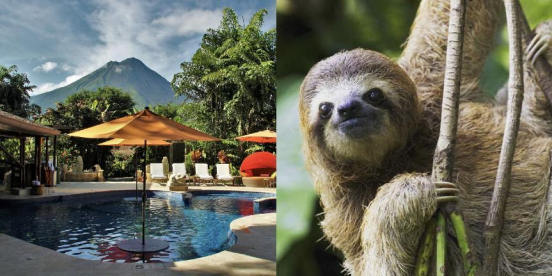
Understanding Costa Rica’s Unique Rainforest Ecosystems
Costa Rica is a global leader in biodiversity, housing nearly 6% of the world’s species despite covering only 0.03% of the earth’s surface. A 7-day journey into the rainforest is not merely a vacation; it is an immersion into a complex, high-altitude tropical environment that requires preparation, respect, and a sense of wonder.
The Importance of Microclimates
Unlike temperate forests, Costa Rican rainforests are characterized by distinct microclimates. From the lowland humid jungles to the cloud forests of Monteverde, understanding these shifts is key to your itinerary planning. Always carry waterproof gear, as precipitation can occur even during the dry season.

Wildlife Encounters and Ethical Tourism Practices
Interacting with wildlife, such as sloths, requires extreme caution and adherence to ethical guidelines. Responsible tourism dictates that visitors should never touch or feed wild animals, as this disrupts their natural behavior and can introduce human-borne pathogens to their sensitive systems.
Best Practices for Wildlife Observation
- Maintain a distance of at least 10 feet from sloths and monkeys.
- Use binoculars or high-zoom lenses rather than physical contact.
- Hire certified local guides who are trained to spot wildlife without stressing the environment.
- Avoid flash photography, which can startle nocturnal animals.

Geothermal Wellness and Volcanic Landscapes
The volcanic activity in regions like Arenal provides a unique opportunity for geothermal therapy. Mineral-rich hot springs are naturally heated by the earth’s magma, offering therapeutic benefits for hikers and travelers. These springs are often integrated into sustainable eco-resorts that prioritize water conservation.
Comparison of Costa Rican Adventure Activities
| Activity Type | Intensity | Best For |
|---|---|---|
| Rainforest Hiking | Moderate/High | Wildlife Enthusiasts |
| Volcanic Hot Springs | Low | Recovery & Relaxation |
| Canopy Ziplining | High | Adrenaline Seekers |
Frequently Asked Questions (FAQ)
- What is the best time of year to visit the Costa Rican rainforest?
- The dry season, from December to April, offers the best weather for hiking, though the “green season” (May to November) provides lush landscapes and fewer crowds.
- Is it safe to touch wildlife in Costa Rica?
- No. Touching wildlife is discouraged and often illegal in protected areas. It is dangerous for both the human and the animal.
- What should I pack for a 7-day rainforest trip?
- Essentials include moisture-wicking clothing, a high-quality rain jacket, hiking boots, eco-friendly insect repellent, and a reusable water bottle.
- How do I find a reputable eco-tour guide?
- Always look for guides certified by the Costa Rican Tourism Board (ICT) and check for credentials related to sustainable practices.