The Legend of the Loch Ness Monster
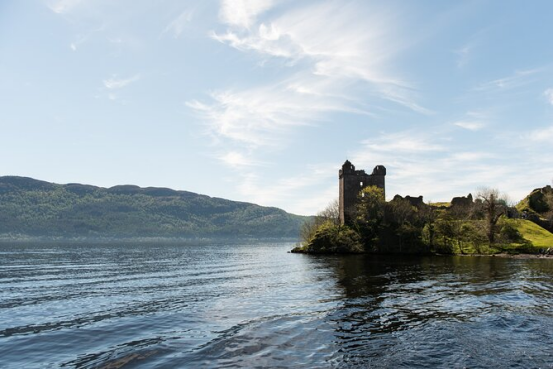
Loch Ness, situated in the heart of the Scottish Highlands, is arguably the most famous lake in the world due to the enduring legend of its resident cryptid, affectionately known as “Nessie.” The mythos surrounding the creature has evolved from ancient folklore to modern-day scientific scrutiny, fueled by grainy photographs and sonar readings that defy easy explanation.
Historical Sightings and Modern Context
The contemporary fascination with the Loch Ness Monster gained significant momentum in 1933 with the construction of a new road that provided clear visibility of the loch. Since then, thousands of eyewitness accounts have been documented, ranging from ripples in the water to sightings of long-necked creatures breaking the surface.
- The Surgeon’s Photograph: The most iconic image of Nessie, later revealed as a hoax, remains a focal point in the history of cryptozoology.
- Scientific Expeditions: Various sonar surveys, most notably the 1987 “Operation Deepscan,” attempted to sweep the lake but provided inconclusive results.
- Eyewitness Psychology: Skeptics often point to misidentified objects, such as logs, swimming animals, or boat wakes, as the primary source of the “monster” reports.

Geological and Environmental Wonders of Loch Ness
Beyond the myths, Loch Ness is a geological marvel. It is the largest body of fresh water in Great Britain by volume, containing more water than all the lakes in England and Wales combined. Its unique formation is a result of the Great Glen Fault, which created a deep, narrow trough that plunges to depths of over 750 feet.
Water Composition and Visibility
The loch is renowned for its dark, peaty water, which significantly limits visibility. This high concentration of peat creates a challenging environment for underwater exploration and adds a layer of mystery to the lake’s depths.
| Feature | Measurement/Description |
|---|---|
| Maximum Depth | Approx. 230 meters (755 feet) |
| Water Type | Fresh water, high peat content |
| Formation | Glacial activity along the Great Glen Fault |

Uncovering the Mysteries of the Dead Sea
Spanning the border between Jordan and Israel, the Dead Sea presents a stark contrast to the freshwater environment of Loch Ness. As one of the world’s saltiest bodies of water, it is a place of extreme chemistry and historical significance, often cited for its therapeutic properties.
The Science of Salinity
The extreme salinity of the Dead Sea—roughly 9.6 times saltier than the ocean—prevents the survival of macroscopic aquatic organisms like fish or plants. This “dead” environment is the result of high evaporation rates and the lack of an outlet, leading to a concentrated mineral deposit.
Therapeutic and Historical Significance
The Dead Sea mud and mineral-rich waters have been sought after for millennia for their healing properties. Beyond its health benefits, the surrounding region is a treasure trove of archaeology, most notably the discovery of the Dead Sea Scrolls in the nearby Qumran Caves.

Comparing Global Water Mysteries
While Loch Ness and the Dead Sea are physically distant and geologically distinct, they both serve as centers for human curiosity and scientific exploration. Whether searching for elusive cryptids or studying the extreme limits of biological life, these locations continue to captivate the human imagination.
Frequently Asked Questions (FAQ)
- Q1: Is there concrete scientific proof that the Loch Ness Monster exists?
- No. Despite decades of sonar surveys, underwater photography, and DNA sampling, there is no empirical evidence to support the existence of a prehistoric monster in the loch.
- Q2: Why is the Dead Sea called “dead”?
- The name is derived from the extreme salinity of the water, which makes it impossible for fish, plants, and other macroscopic marine life to survive in the lake.
- Q3: Can you sink in the Dead Sea?
- Because of the high salt density, the water has a much higher buoyancy than fresh water, making it nearly impossible to sink; you will naturally float on the surface.
- Q4: How deep is Loch Ness?
- Loch Ness reaches a maximum depth of approximately 230 meters (755 feet), which provides a vast volume of water that remains largely unexplored by modern technology.