Understanding Physiological Stress in Tomato Plants
Tomato plants are highly sensitive indicators of their environment. When you notice yellowing leaves, curling foliage, or the heartbreaking sight of flowers and fruit falling prematurely, your plant is communicating a specific stressor. To cultivate a thriving garden, one must look beyond the symptoms to identify the root cause—be it nutritional, hydrological, or biological.
The Importance of Consistent Environmental Conditions
Tomatoes thrive on consistency. Fluctuations in temperature, erratic watering schedules, and poor soil aeration are the primary drivers of plant physiological distress. Understanding the “why” behind these symptoms allows gardeners to shift from reactive fixing to proactive prevention.
Key Causes of Tomato Plant Decline
The following table outlines the most common issues that result in foliage and fruit damage, categorized by their primary biological trigger.
| Symptom | Primary Cause | Recommended Action |
|---|---|---|
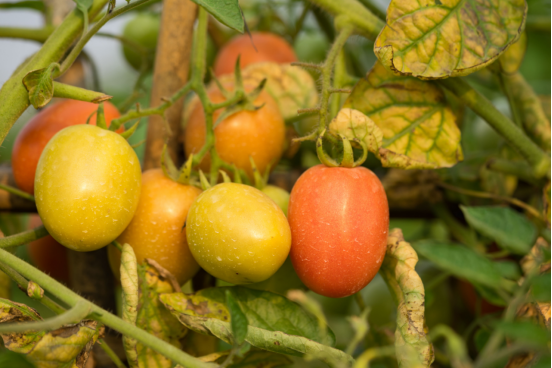
| Yellowing Leaves | Nitrogen Deficiency or Overwatering | Check soil moisture; apply balanced fertilizer. |
| Leaf Curling | Heat Stress or Viral Infection | Provide shade; check for aphids or whiteflies. |
| Flower/Fruit Drop | Temperature Extremes | Use row covers; ensure consistent pollination. |
| Stunted Growth | Root-bound or Poor Soil | Improve drainage; add organic compost. |
Pro Tips for Optimal Tomato Health
To ensure your tomato plants reach their full potential, follow these expert-level strategies:
- Mulching for Moisture: Apply a 2-3 inch layer of organic mulch to keep soil temperatures stable and retain moisture.
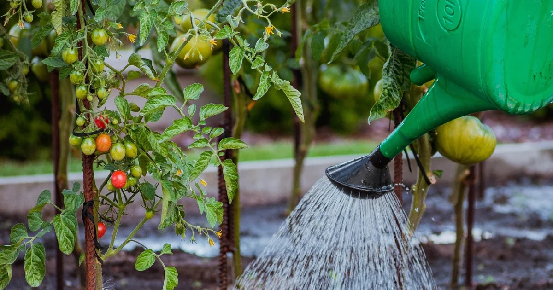
- Deep Watering: Water the base of the plant early in the morning to prevent fungal growth on foliage.
- Strategic Pruning: Remove lower suckers to improve airflow and reduce the risk of soil-borne pathogens.
- Balanced Fertilization: Avoid high-nitrogen fertilizers once flowering begins, as this promotes leaf growth at the expense of fruit production.
Frequently Asked Questions (FAQ)
- Why are my tomato flowers falling off without producing fruit?
- This is often due to temperature stress. If night temperatures are consistently above 75°F (24°C) or below 55°F (13°C), pollination efficiency drops, causing the plant to abort the blossoms.
- Is leaf curling always a sign of a disease?
- No. Often, leaves curl upward in response to heat or high light intensity as a protective mechanism to reduce surface area. If the leaves are not discolored or necrotic, it is likely just environmental stress.
- How do I distinguish between nitrogen deficiency and overwatering?
- Nitrogen deficiency typically causes older, bottom leaves to turn pale yellow uniformly. Overwatering causes yellowing accompanied by wilting and a soggy soil texture.
- Can I save a tomato plant with yellow leaves?
- Yes, if caught early. Identify the cause (nutrients vs. water), correct the environment, and remove the severely damaged foliage to allow the plant to redirect energy toward new growth.