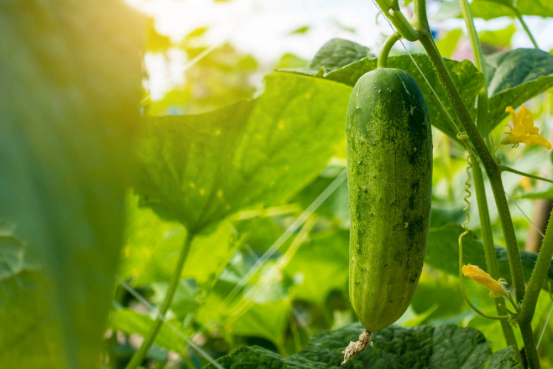
Understanding Common Cucumber Planting Challenges
Cucumber cultivation is a delightful endeavor for many gardeners, promising refreshing harvests for salads and pickles. However, the path to a prolific cucumber patch is often fraught with perplexing issues that can leave even seasoned growers scratching their heads. These challenges range from subtle growth abnormalities to severe crop failures, each demanding a nuanced understanding and targeted intervention. This section lays the groundwork by exploring the overarching categories of problems that frequently plague cucumber plants, setting the stage for more detailed solutions.
The “Soul-Torturing” Questions: An Overview
Gardeners often face a series of persistent questions that recur season after season, indicative of common underlying problems. These aren’t just minor annoyances; they are symptoms of environmental imbalances, nutritional deficiencies, or pest and disease pressures that, if left unaddressed, can severely impact yield and plant health. Recognizing these recurring “soul-torturing” questions is the first step toward effective troubleshooting.
- Why are my cucumber plants wilting despite adequate watering? This often points to root issues, fungal diseases like Fusarium wilt, or stem borers. It’s crucial to investigate the stem base and root system rather than simply adding more water, which can exacerbate fungal problems.
- My cucumbers are flowering profusely but not setting fruit. What’s wrong? This is a classic sign of poor pollination, often due to a lack of pollinators or an imbalance of male to female flowers. Environmental factors like extreme heat can also impact flower viability.
- Why do my cucumber leaves turn yellow and crispy? Yellowing leaves can indicate a myriad of issues, including nitrogen deficiency, overwatering, underwatering, or pest infestations like spider mites. The pattern of yellowing (e.g., interveinal, whole leaf) provides critical diagnostic clues.
- Are my cucumbers bitter because of stress or genetics? Bitterness in cucumbers is primarily due to compounds called cucurbitacins. While genetics play a role, environmental stress (inconsistent watering, extreme temperatures) can trigger increased production of these compounds, making otherwise sweet varieties unpalatable.
Early Stage Issues: Germination and Seedling Health
The foundation of a successful cucumber harvest is healthy seedlings. Problems encountered during germination and the initial growth phases can have lasting consequences, weakening plants and making them more susceptible to future stresses. Understanding and mitigating these early-stage hurdles is paramount for robust plant development.
- Poor Germination Rates: This can be attributed to old seeds, improper soil temperature (cucumbers prefer warm soil, around 65-85°F or 18-29°C), excessive moisture leading to rot, or soil-borne pathogens. Ensuring fresh seeds and optimal conditions is key.
- Damping-Off Disease: A common killer of young seedlings, damping-off is caused by fungi that attack the stem at the soil line, causing it to rot and the seedling to collapse. Good air circulation, sterile potting mix, and avoiding overwatering are vital preventative measures.
- Stunted Growth in Seedlings: If seedlings fail to thrive after germination, it could be due to nutrient deficiencies in the potting mix, insufficient light, root bound conditions in small pots, or even cold stress. Providing adequate light and timely transplanting are important.
- Pest Attacks on Young Plants: Aphids, spider mites, and flea beetles can quickly decimate tender cucumber seedlings. Regular inspection and early, gentle intervention with organic pesticides or horticultural oils are necessary to protect vulnerable young plants.

Decoding Deformed Cucumbers and “Melting” Fruits
Few things are more disheartening for a gardener than discovering their promising cucumber fruits are developing into odd shapes or, worse, literally “melting” on the vine. These specific issues are often direct indicators of critical environmental factors, nutritional imbalances, or biological pressures impacting the plant’s ability to produce healthy fruit. A deep dive into the causes and mechanisms behind these deformities and fruit degradation is essential for effective intervention and prevention.
Causes of Fruit Deformity: Pollination, Nutrition, Pests
Cucumbers can take on a bewildering array of unusual shapes, from bulbous ends to constricted middles. Each distinct deformity often points to a specific underlying cause, making careful observation a powerful diagnostic tool. Understanding the interplay between pollination, nutrient availability, and pest activity is crucial for rectifying these issues.
- Incomplete Pollination: This is arguably the most common cause of misshapen cucumbers. When only part of the flower’s ovules are fertilized, the resulting fruit will grow unevenly. For example, a cucumber that is thin at the stem end and fat at the blossom end often indicates insufficient pollination. This can be due to a lack of bees, extreme temperatures affecting pollen viability, or planting too many male-only varieties without adequate pollinators or female flowers. Strategies include planting bee-attracting flowers, hand-pollinating, or selecting parthenocarpic (self-pollinating) varieties.
- Nutrient Deficiencies: The availability of essential nutrients directly impacts fruit development.
- Boron Deficiency: Can lead to stunted, misshapen fruits with longitudinal cracks. Boron is crucial for cell wall formation and fruit set.
- Calcium Deficiency: While less common in cucumbers than in tomatoes, severe calcium deficiency can contribute to poorly formed or soft fruits.
- Potassium Deficiency: Often manifests as cucumbers that are thin at the stem end and bulbous at the blossom end, similar to incomplete pollination but specifically related to the plant’s ability to fill out the fruit.
A soil test is invaluable for identifying specific nutrient imbalances, allowing for targeted fertilization.
- Pest Damage: Certain pests can directly cause fruit deformities.
- Squash Bugs: Nymphs and adults feed on stems and leaves, but severe infestations can weaken the plant, leading to poor fruit development.
- Stink Bugs: These pests pierce the fruit to feed, creating hard, sunken spots and resulting in distorted growth as the cucumber attempts to grow around the damaged areas.
Integrated pest management strategies, including physical barriers, beneficial insects, and organic sprays, are important for protecting developing fruits.
Why Cucumbers “Melt”: Disease and Environmental Stress
The phenomenon of cucumbers “melting” or rotting before maturity is a distressing problem that indicates severe physiological stress or disease. This often happens rapidly, turning firm, green fruits into soft, watery, discolored masses. The primary culprits are typically fungal or bacterial diseases exacerbated by environmental conditions.
- Fungal Diseases:
- Phytophthora Blight: This water mold thrives in wet, humid conditions and can cause rapid fruit rot, often starting as a water-soaked lesion that quickly expands, turning the fruit soft and mushy. It can also cause stem cankers and wilting.
- Belly Rot (Rhizoctonia solani): Common when fruits rest on wet soil, causing a soft, watery decay on the underside of the cucumber. Proper mulching and trellising can prevent this.
Good air circulation, proper spacing, and raised beds or trellises to keep fruits off the ground are crucial preventative measures. Fungicides may be necessary in severe cases.
- Bacterial Diseases:
- Bacterial Soft Rot (Erwinia carotovora): This bacterium causes a rapid, foul-smelling soft rot that can quickly destroy entire fruits. It often enters through wounds and thrives in high humidity.
Sanitation, avoiding overhead irrigation, and preventing mechanical damage to plants and fruits are vital. There are no effective chemical treatments once bacterial soft rot is established.
- Environmental Stress:
- Excessive Moisture/Humidity: Prolonged periods of high humidity and standing water create ideal conditions for fungal and bacterial pathogens to proliferate, directly leading to fruit rot.
- Temperature Extremes: Sudden fluctuations in temperature, especially cold snaps, can stress the plant, making it more vulnerable to disease and potentially causing physiological breakdown of fruit tissues.
Maintaining consistent soil moisture, ensuring good drainage, and providing some protection during extreme weather can help mitigate these risks.
Identifying Specific Deformities (e.g., hourglass, stunted)
A detailed examination of the specific shape of a deformed cucumber can offer precise clues about its cause. Different shapes correlate with different issues, allowing for a more targeted approach to problem-solving.
- Hourglass Shape (Constricted Middle): This typically indicates inconsistent watering. Periods of drought followed by heavy watering can cause the fruit to stop growing, then swell again, creating a constricted middle. Maintaining consistent soil moisture is the primary solution.
- Thin, Pointed End (Blossom End): Often a sign of insufficient potassium. The plant doesn’t have enough potassium to properly fill out the fruit, especially at the farthest end from the stem. A potassium-rich fertilizer or compost can help.
- Bulbous or Fat Stem End, Thin Blossom End: This is a classic symptom of incomplete pollination. The part of the fruit closest to the stem receives adequate pollination, but the blossom end does not, leading to uneven development. Hand pollination or encouraging bees is recommended.
- Stunted, Small, or Curved Fruits: Can be a general indicator of overall plant stress, including nutrient deficiencies (especially nitrogen or phosphorus), extreme temperatures, or severe pest pressure. Ensure overall plant health is optimized.
- Yellowing or Pale Green Fruits: While not a deformity, fruits that are pale or yellow instead of deep green often signify a lack of nitrogen, insufficient light, or sometimes over-ripening if left on the vine too long.

Nutrient Deficiencies and Environmental Stressors
Beyond the immediate symptoms of deformed or melting fruits, the underlying health of a cucumber plant is profoundly influenced by its nutritional intake and the environmental conditions it experiences. Cucumbers are heavy feeders and sensitive to fluctuations in their surroundings. Understanding their specific needs and how various stressors manifest in plant health is critical for preventing problems before they even start.
Key Nutrient Requirements for Cucumbers
Cucumbers require a balanced diet of macronutrients and micronutrients for optimal growth, flowering, and fruit production. Any deficiency can lead to specific symptoms that impact both foliage and fruit.
- Nitrogen (N): Essential for lush, green vegetative growth. Deficiency leads to overall yellowing of older leaves, stunted growth, and pale green fruits. Too much nitrogen can promote excessive leafy growth at the expense of fruit production.
- Phosphorus (P): Critical for root development, flowering, and fruit set. Deficiency can cause dark green or purplish leaves, stunted growth, and poor fruit development.
- Potassium (K): Important for overall plant vigor, disease resistance, and fruit quality. Deficiency often results in yellowing or browning along leaf margins, particularly older leaves, and sometimes leads to malformed fruits (e.g., thin blossom ends).
- Calcium (Ca): Vital for cell wall strength and preventing blossom end rot (though less common in cucumbers than tomatoes). Deficiency can cause distorted new growth and sometimes fruit abnormalities.
- Magnesium (Mg): A key component of chlorophyll. Deficiency causes interveinal chlorosis (yellowing between the veins) on older leaves, with veins remaining green.
- Boron (B): A crucial micronutrient for pollen viability, fruit set, and cell development. Deficiency can lead to stunted growth, cracked stems, and misshapen, bumpy fruits.
Regular soil testing is the most accurate way to assess nutrient levels and guide fertilization strategies. Organic amendments like compost, well-rotted manure, and specific mineral supplements can address deficiencies.
Impact of Water and Temperature Extremes
Cucumbers are particularly sensitive to both water availability and temperature fluctuations. Inconsistent watering and extreme temperatures are major stress factors that can lead to a host of problems, including bitterness, deformities, and increased susceptibility to disease.
- Watering Inconsistency:
- Underwatering: Leads to wilting, stunted growth, bitterness in fruits, and increased susceptibility to pests like spider mites.
- Overwatering: Can cause root rot, yellowing leaves, and create anaerobic conditions that favor fungal pathogens. It also leaches nutrients from the soil.
Cucumbers require consistent, deep watering, especially during flowering and fruiting. Aim for 1-2 inches of water per week, adjusting for rainfall and soil type. Mulching helps retain soil moisture and regulate temperature.
- Temperature Extremes:
- Cold Stress: Cucumbers are warm-season crops. Temperatures below 50°F (10°C) can stunt growth, cause yellowing leaves, impair pollination, and lead to misshapen or bitter fruits.
- Heat Stress: Temperatures consistently above 90°F (32°C), especially with low humidity, can cause flower drop, inhibit pollen viability, result in poor fruit set, and increase bitterness.
Providing shade during the hottest parts of the day and protecting young plants from unexpected cold snaps can mitigate these effects. Row covers can offer protection in cooler climates, while shade cloth can alleviate intense summer heat.
Soil Health and pH Balance
The foundation of healthy cucumber plants lies in healthy soil. Optimal soil structure, organic matter content, and pH balance are critical for nutrient uptake and overall plant vigor.
- Soil Structure and Drainage: Cucumbers thrive in well-drained, loose, fertile soil. Heavy clay soils can lead to waterlogging and root rot, while excessively sandy soils may not retain enough moisture or nutrients. Amending soil with compost improves both drainage in clay and water retention in sand.
- Organic Matter: Incorporating generous amounts of well-rotted compost or manure enriches the soil, improves its structure, and provides a slow-release source of nutrients, fostering a healthy microbial ecosystem.
- pH Balance: Cucumbers prefer a slightly acidic to neutral soil pH, typically between 6.0 and 7.0. A pH outside this range can lock up essential nutrients, making them unavailable to the plant even if present in the soil.
- If soil is too acidic, add agricultural lime.
- If soil is too alkaline, add elemental sulfur or peat moss.
Regular soil testing will provide the most accurate assessment of pH and allow for appropriate amendments.

Pest, Disease, and Prevention Strategies
Even with optimal growing conditions, cucumber plants can fall victim to various pests and diseases. A proactive approach, focusing on prevention and early detection, is the most effective way to safeguard your crop. Understanding the common culprits and implementing integrated pest and disease management strategies will significantly reduce losses and ensure a healthier harvest.
Common Cucumber Pests and Organic Controls
Several insect pests are particularly fond of cucumber plants, causing damage ranging from leaf defoliation to direct fruit injury. Identifying these pests early and employing organic control methods can protect your plants without resorting to harsh chemicals.
- Aphids: Small, soft-bodied insects that cluster on new growth, sucking sap and causing distorted leaves. They also excrete sticky honeydew, which can lead to sooty mold.
- Organic Control: Blast with strong water spray, introduce beneficial insects (ladybugs, lacewings), use insecticidal soap.
- Spider Mites: Tiny arachnids that thrive in hot, dry conditions, causing stippling (tiny dots) on leaves and fine webbing.
- Organic Control: Increase humidity, spray with strong water, use neem oil or insecticidal soap.
- Cucumber Beetles (Striped and Spotted): These beetles chew on leaves, stems, and fruits, and are also significant vectors for bacterial wilt disease.
- Organic Control: Hand-picking, row covers during early growth, neem oil, trap cropping (planting other plants they prefer to lure them away).
- Squash Bugs: Grayish-brown bugs that suck sap from leaves, causing yellowing and wilting.
- Organic Control: Hand-picking adults and egg masses, keeping garden free of debris, using row covers.
- Whiteflies: Small, white, winged insects that cluster on the undersides of leaves, sucking sap and causing yellowing and stunted growth.
- Organic Control: Yellow sticky traps, insecticidal soap, neem oil, introduction of predatory wasps.
Regular scouting of your plants, especially the undersides of leaves, is crucial for early detection and timely intervention.
Fungal and Bacterial Diseases: Identification and Treatment
Cucumber plants are susceptible to a range of fungal and bacterial diseases, many of which are exacerbated by humid conditions or poor air circulation. Early identification and appropriate cultural practices are key to managing these pathogens.
- Powdery Mildew: White, powdery spots on leaves and stems, reducing photosynthesis and weakening the plant.
- Identification: White, flour-like patches, usually on the upper side of leaves.
- Treatment/Prevention: Ensure good air circulation, avoid overhead watering, plant resistant varieties, use organic fungicides like neem oil or baking soda solution.
- Downy Mildew: Yellow angular spots on the upper leaf surface, with fuzzy purplish-gray growth on the underside. Can rapidly defoliate plants.
- Identification: Angular yellow spots, fuzzy growth on undersides.
- Treatment/Prevention: Plant resistant varieties, ensure good air circulation, use copper-based fungicides if necessary.
- Bacterial Wilt: Caused by bacteria spread by cucumber beetles, leading to sudden, irreversible wilting of entire vines.
- Identification: Sudden wilting, milky sap from cut stems.
- Treatment/Prevention: The best prevention is controlling cucumber beetles; once infected, plants usually cannot be saved. Remove and destroy infected plants.
- Anthracnose: Dark, sunken spots on leaves, stems, and fruits, often with a pinkish ooze in humid conditions.
- Identification: Dark spots on all plant parts.
- Treatment/Prevention: Plant resistant varieties, rotate crops, ensure good air circulation, remove plant debris, use copper or sulfur-based fungicides.
Practicing good garden hygiene, including cleaning tools and removing diseased plant material, helps prevent the spread of pathogens.
Proactive Measures for a Healthy Crop
Prevention is always better than cure when it comes to garden pests and diseases. Implementing a series of proactive measures can significantly reduce the incidence and severity of problems in your cucumber patch.
- Crop Rotation: Avoid planting cucumbers or other cucurbits in the same spot year after year. This breaks the life cycles of soil-borne pests and diseases.
- Resistant Varieties: Choose cucumber varieties that are bred for resistance to common diseases in your region (e.g., powdery mildew resistant).
- Proper Spacing and Air Circulation: Give plants adequate space to grow, ensuring good airflow between leaves. This helps dry foliage quickly, reducing fungal disease pressure.
- Sanitation: Remove and destroy any diseased plant parts or severely infested plants immediately. Keep the garden free of weeds and debris where pests and pathogens can harbor.
- Consistent Watering and Mulching: Consistent moisture reduces plant stress. Mulch helps retain moisture, suppress weeds, and keeps fruits off the soil, preventing belly rot.
- Support Systems (Trellises): Growing cucumbers vertically on trellises improves air circulation, keeps fruits clean, and makes harvesting easier, reducing contact with soil-borne pathogens.
- Encourage Beneficial Insects: Plant companion flowers that attract pollinators and natural predators (e.g., dill, cilantro, marigolds).
By integrating these preventative strategies into your gardening routine, you can cultivate robust, healthy cucumber plants that are better equipped to withstand the various challenges they may face.
Frequently Asked Questions (FAQ)
- Q1: Why are my cucumber plants producing only male flowers?
- Cucumber plants typically produce male flowers first, followed by female flowers. If you’re seeing only male flowers for an extended period, it could be due to stress factors like high temperatures, low humidity, or insufficient nutrients (especially phosphorus). Ensuring consistent watering, moderate temperatures, and balanced fertilization can encourage female flower production. Some varieties are also bred to produce more male flowers early in the season.
- Q2: How can I prevent bitterness in my cucumbers?
- Bitterness in cucumbers is primarily caused by cucurbitacins, which can be heightened by environmental stress. To prevent bitterness, ensure consistent watering (avoiding drought periods), provide adequate nutrients (especially potassium), protect plants from extreme heat or cold, and harvest fruits when young and tender. Some varieties are also specifically bred to be “burpless” or less bitter.
- Q3: My cucumbers are yellowing and rotting at the blossom end. What’s wrong?
- Yellowing and rotting at the blossom end of cucumbers is often a sign of blossom end rot, though less common than in tomatoes. It’s primarily caused by a calcium deficiency in the fruit, often due to inconsistent watering that prevents the plant from absorbing and translocating calcium effectively. Ensure consistent soil moisture, avoid large fluctuations, and maintain healthy root systems. A soil test can confirm calcium levels, but usually, consistent watering is the key.
- Q4: What’s the best way to hand-pollinate cucumbers?
- Hand-pollination is a great solution if you lack natural pollinators. Identify male flowers (which have a slender stem below the petals) and female flowers (which have a miniature cucumber fruit at their base). Gently pluck a male flower, remove its petals, and lightly dab the pollen-laden anther onto the sticky stigma of a female flower. Do this in the morning when pollen is most viable.
- Q5: How can I tell the difference between powdery mildew and downy mildew on cucumbers?
- Powdery mildew appears as white, powdery spots on the upper surface of leaves, resembling a dusting of flour. Downy mildew, in contrast, typically causes angular yellow spots on the upper leaf surface, bounded by veins, and often has fuzzy, purplish-gray growth on the underside of the leaves. Powdery mildew thrives in dry, warm conditions, while downy mildew prefers cool, humid environments.
Related Posts
The Ultimate Guide to Watering Tomatoes: A Scientific Approach
Master the art of watering tomatoes with our scientific, stage-by-stage guide. Learn to prevent common issues like blossom end rot…
Ultimate Guide to Growing Straight, Sweet & Crisp Carrots
Unlock the secrets to a perfect carrot harvest. This guide details the essential techniques for soil preparation, thinning, and care…
The Ultimate Guide to Growing Cucumbers: A Complete Timeline
Transform your garden with our comprehensive guide to growing cucumbers. This complete timeline covers everything from selecting the right seeds…