Growing cucumbers is a rewarding experience for any gardener, offering a crisp, refreshing harvest that’s perfect for salads, pickles, and summer snacks. While seemingly straightforward, mastering the art of cucumber cultivation involves understanding the plant’s entire lifecycle, from the initial seed to the final harvest. This guide provides a comprehensive, step-by-step timeline and deep-dives into the essential techniques required for a successful and bountiful crop. We will explore not just the “what,” but the “why” behind each stage, empowering you with the knowledge to troubleshoot problems and maximize your yield.
Understanding the Cucumber Growth Cycle
Before planting, it’s crucial to understand the two main types of cucumbers and their growth habits. This choice will dictate your garden layout, support structures, and even the flavor profile of your harvest. Cucumbers are fast-growing annuals belonging to the gourd family, and they thrive in warm weather.
Vining vs. Bush Varieties
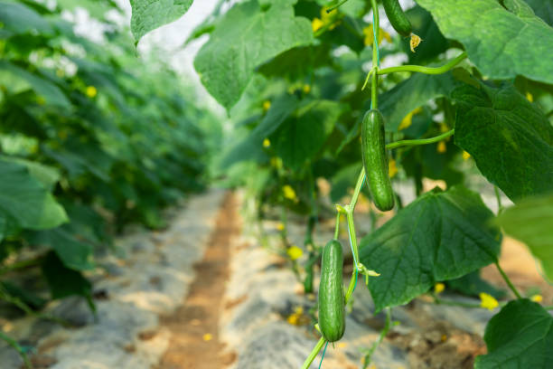
Vining cucumbers are the most common type, producing long vines that can sprawl across the ground or be trained up trellises. Training them vertically is highly recommended as it saves space, improves air circulation (reducing disease risk), and makes harvesting easier. Bush varieties are more compact, making them ideal for small gardens and containers. They produce their fruit in a more concentrated period.
Slicing vs. Pickling Varieties
Slicing cucumbers are typically long, with smooth, dark green skin, and are best eaten fresh. Pickling varieties are shorter, stouter, and have bumpy skin, specifically bred to remain crisp during the pickling process. While you can pickle a slicer or slice a pickler, choosing the right type for your primary use will yield the best results.
| Cucumber Type | Growth Habit | Best For | Example Varieties |
|---|---|---|---|
| Vining Slicing | Long vines (6-8 ft+), needs trellis | Salads, fresh eating, large gardens | Marketmore 76, Straight Eight |
| Bush Slicing | Compact (2-3 ft), good for containers | Small spaces, patio gardens | Spacemaster, Salad Bush |
| Vining Pickling | Vigorous vines, needs support | Canning, preserving, high yields | Boston Pickling, National Pickling |
| Bush Pickling | Compact plant, concentrated harvest | Small batch pickling, containers | Bush Pickle, Picklebush |

The Complete Cucumber Planting Timeline: From Seed to Harvest
Cucumbers generally mature in 50-70 days. Following a structured timeline ensures you meet the plant’s needs at each critical growth stage.
Stage 1: Sowing Seeds (Weeks 0-1)
Your journey begins with the seed. Cucumbers despise the cold, so timing is everything. Start seeds indoors 3-4 weeks before your last expected frost date, or sow them directly in the garden once the soil temperature is consistently above 65°F (18°C). Plant seeds about 1 inch deep.
- Pro Tip: Soak seeds in water for a few hours before planting to speed up germination. For direct sowing, plant 2-3 seeds per spot and thin to the strongest seedling once they have their first true leaves.
- Common Pitfall: Planting too early in cold, wet soil can cause seeds to rot before they have a chance to germinate.
Stage 2: Germination and Seedling Care (Weeks 1-3)
If started indoors, provide plenty of light from a south-facing window or a grow light to prevent seedlings from becoming leggy. Keep the soil consistently moist but not waterlogged. If sown directly, protect young seedlings from pests like slugs and snails.
Stage 3: Transplanting and Hardening Off (Week 4)
For indoor-started seedlings, you must “harden them off” before planting in the garden. This process gradually acclimates them to outdoor conditions. Over 7-10 days, place them outside for a few hours, increasing the duration each day. Transplant them into their final garden spot on an overcast day to minimize transplant shock. Space vining types 1-2 feet apart if using a trellis, and bush types 3 feet apart.
Stage 4: Vegetative Growth and Vine Training (Weeks 5-7)
This is when the plant focuses on growing leaves and vines. If you’re using a trellis for vining cucumbers, gently guide the main vine upwards, and it will begin to climb using its tendrils. Consistent watering is critical during this phase to establish a strong root system.

Essential Care for Thriving Cucumber Plants
Once established, cucumbers require consistent care to ensure they are healthy and productive. Paying attention to these key areas will prevent stress and lead to a more abundant harvest.
Sunlight Requirements
Cucumbers need full sun, which means at least 6-8 hours of direct sunlight per day. Insufficient light will result in weak plants and poor fruit development.
Soil and Fertilization
Provide rich, well-draining soil with plenty of organic matter like compost. Cucumbers are heavy feeders. Side-dress the plants with a balanced, all-purpose fertilizer or compost tea once they start to vine and again after the first fruits begin to form. Avoid high-nitrogen fertilizers, which can promote leafy growth at the expense of fruit.
Watering: The Key to Sweet Cucumbers
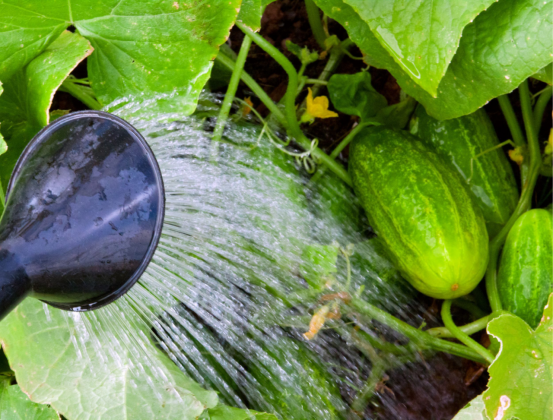
Inconsistent watering is the primary cause of bitter-tasting cucumbers. The plants need about one inch of water per week, and potentially more during hot, dry spells. Water deeply at the base of the plant to keep the leaves dry, which helps prevent fungal diseases like powdery mildew. A soaker hose or drip irrigation is ideal.
Support and Trellising
Providing a strong trellis for vining varieties is one of the best things you can do for your crop. It keeps the fruit off the ground (preventing rot and discoloration), improves air circulation, and makes spotting and harvesting cucumbers much easier.
Harvesting and Troubleshooting
Knowing when and how to harvest is just as important as the care you provide. Regular harvesting encourages the plant to produce more fruit.
When to Harvest
Harvest cucumbers based on their variety’s recommended size, not by waiting for them to get as large as possible. Overripe cucumbers (which often turn yellow) will be seedy and bitter. Check your plants daily once they start producing, as cucumbers can grow incredibly fast. Use a knife or pruning shears to cut the stem, leaving a small piece attached to the cucumber. Pulling them off can damage the vine.
Common Problems Checklist
- Yellowing Leaves: Often a sign of a nitrogen deficiency or overwatering. Check soil moisture and fertilize if needed.
- No Fruit, Only Flowers: Cucumbers have male and female flowers. Poor pollination is a common issue. Attract pollinators by planting flowers nearby or hand-pollinate by transferring pollen from a male flower (plain stem) to a female flower (has a tiny cucumber at its base).
- Bitter Cucumbers: Caused by plant stress, most commonly from inconsistent watering or extreme heat.
- Powdery Mildew: A white, dusty coating on leaves. Prevent it by watering at the base of the plant and ensuring good air circulation via trellising.
Frequently Asked Questions (FAQ)
-
Why are my cucumbers bitter-tasting?
- Bitterness in cucumbers is caused by compounds called cucurbitacins, which the plant produces when under stress. The most common stressors are inconsistent watering, extreme temperature fluctuations, and nutrient deficiencies. Ensure a consistent watering schedule and provide mulch to regulate soil temperature.
-
Can I grow cucumbers in a pot or container?
- Absolutely! Bush varieties are perfect for containers. Choose a pot that is at least 5 gallons (20 liters) in volume and has excellent drainage. You will need to be extra diligent about watering, as containers dry out much faster than garden beds.
-
How do I tell the difference between male and female cucumber flowers?
- It’s easy to distinguish them once you know what to look for. The female flower will have a small, immature cucumber (an ovary) at its base, right behind the petals. The male flower will simply have a plain, thin stem behind its petals. The male flowers typically appear first.
-
Why are the ends of my cucumbers shriveling and turning yellow?
- This is a classic sign of incomplete pollination. The female flower was not sufficiently pollinated to develop a viable fruit, so the plant aborts it. To solve this, you can attract more bees to your garden or try hand-pollination.
-
How often should I harvest my cucumbers?
- During peak season, you should check your plants and harvest every 1-2 days. Regular harvesting sends a signal to the plant to produce more flowers and fruit. If you leave a large, overripe cucumber on the vine, the plant may think its job is done and stop producing.