A Comprehensive Guide to the World’s Most Alluring Coastal Cities
Coastal cities have captivated humanity for centuries, serving as gateways to the vast unknown and vibrant hubs of culture, trade, and natural beauty. They are places where the rhythm of the ocean meets the pulse of urban life, creating landscapes and experiences found nowhere else on Earth. This guide delves into five of the world’s most iconic coastal destinations, each offering a unique narrative shaped by its relationship with the sea. From the dramatic meeting of oceans in South Africa to the volcanic majesty of the Aegean, we will explore the geography, culture, and unforgettable allure of these seaside wonders.
Cape Town, South Africa: The Dramatic Convergence of Two Oceans
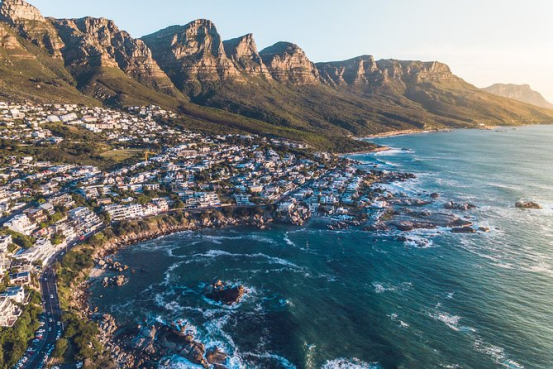
Nestled at the southern tip of the African continent, Cape Town is a city defined by its monumental geography. It is a place of profound natural drama, famously known as the dividing line between the cold Atlantic and the warm Indian Oceans. This unique position creates a dynamic and powerful environment that has shaped the city’s history, climate, and very identity. The interaction between the cold, nutrient-rich Benguela Current from the Atlantic and the warm Agulhas Current from the Indian Ocean is not just a geographical curiosity; it fosters an incredibly rich marine biodiversity and influences the regional weather patterns, including the notorious “Cape Doctor” wind that clears the city’s air.
Table Mountain’s Majestic Presence
Dominating the city’s skyline is the iconic Table Mountain, a flat-topped monolith that acts as a natural amphitheater, cradling the city bowl below. Its imposing presence is a constant reminder of nature’s power and beauty. The mountain is more than just a backdrop; it is the heart of the Cape Floral Kingdom, a UNESCO World Heritage site, boasting thousands of plant species, many of which are found nowhere else on the planet. The journey to its summit, whether by cable car or a strenuous hike, rewards visitors with panoramic views of the city, the harbor, and the endless expanse of the two oceans merging at the horizon.
The Cape of Good Hope: A Sailor’s Landmark
Further south, the Cape Peninsula tapers to the legendary Cape of Good Hope. While not the true southernmost point of Africa (that honor belongs to Cape Agulhas), its historical significance is immense. For centuries, it was a critical landmark for sailors navigating the treacherous route to the East. The raw, windswept beauty of this nature reserve, with its rugged cliffs and crashing waves, offers a powerful testament to the untamed spirit of the sea that has defined Cape Town for generations.

Valparaíso, Chile: A Bohemian Labyrinth on the Pacific
Known affectionately as the “Jewel of the Pacific,” Valparaíso is a city that defies convention. Built upon a series of steep hillsides overlooking a bustling port, its urban landscape is a chaotic yet enchanting maze of winding streets, hidden stairways, and vibrantly colored houses. This Chilean port city is a testament to creative adaptation, where the challenging topography has given rise to a unique and deeply artistic culture. Its historic quarter is a UNESCO World Heritage site, celebrated for its improvised urban design and rich cultural heritage.
The Ascensores: Vertical Urban Transit
One of Valparaíso’s most distinctive features is its network of “ascensores,” or funicular elevators. These historic wooden contraptions, some dating back to the late 19th century, are an essential part of the city’s public transport system. They creak and groan as they carry residents and visitors up the precipitous slopes, connecting the flat port area (the “plan”) with the residential hills (“cerros”). Riding these elevators is not just a means of transport but an experience that offers stunning, ever-changing vistas of the bay and the kaleidoscopic city below.
A Canvas of Street Art and Color
Valparaíso is a living art gallery. The city’s walls are covered in a spectacular array of murals and graffiti, transforming entire neighborhoods into open-air museums. This vibrant street art scene reflects the city’s bohemian soul, a spirit long-fostered by the poets, writers, and artists who have called it home, including the famed poet Pablo Neruda. The explosion of color on every corner, from humble homes to grand buildings, makes wandering through Valparaíso a journey of constant discovery and visual delight.

San Sebastián, Spain: A Culinary Paradise on the Basque Coast
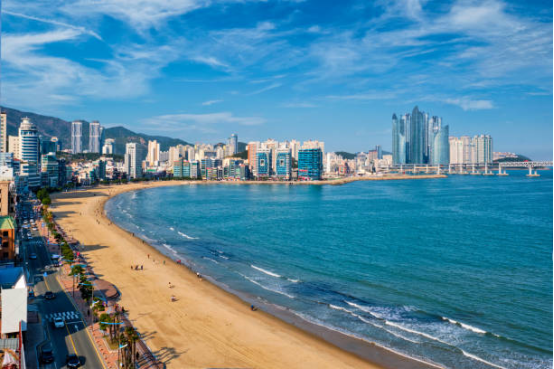
Nestled on the coast of the Bay of Biscay in Spain’s Basque Country, San Sebastián (or Donostia in Basque) is a city of elegance, culture, and world-renowned gastronomy. Its centerpiece is the breathtaking La Concha Bay, a perfectly shell-shaped curve of golden sand flanked by the Urgull and Igueldo hills. This stunning natural harbor provides a serene and beautiful backdrop to a city that has perfected the art of living well. The city’s Belle Époque architecture and scenic seaside promenade create an atmosphere of sophisticated charm.
The Unrivaled World of Pintxos
San Sebastián’s global fame is intrinsically linked to its culinary scene. It boasts one of the highest concentrations of Michelin-starred restaurants per capita in the world. However, the true heart of its food culture is found in the bustling bars of the Old Town, which are lined with an incredible variety of pintxos. These are the Basque version of tapas, but often more elaborate—small, artful bites of culinary genius served on a piece of bread. The tradition of “txikiteo,” or hopping from bar to bar to sample different pintxos and glasses of local wine, is a quintessential San Sebastián experience.
La Concha Bay: The Blue Curve
The beauty of La Concha is undeniable. Its sheltered waters make it an ideal spot for swimming and sunbathing, while the promenade that frames it is perfect for a leisurely stroll. The bay’s serene blue curve is punctuated by Santa Clara Island at its center, creating a picturesque scene that has captivated visitors for generations. The view from the top of Monte Igueldo, accessible by a vintage funicular railway, offers a postcard-perfect panorama of the city and its iconic bay.

Nice, France: The Poetic Blue of the Côte d’Azur
Nice is the unofficial capital of the French Riviera, a city where the dazzling blue of the Mediterranean Sea meets the vibrant culture of Provence. The city’s identity is defined by its “blue corridor”—the stunning expanse of the Baie des Anges (Bay of Angels). The unique, almost impossibly deep azure color of the water has inspired countless artists and writers, creating a legacy of creativity and natural poetry. The light in Nice is legendary, a quality that drew painters like Henri Matisse and Marc Chagall, who sought to capture its brilliance on canvas.
The Promenade des Anglais
The iconic Promenade des Anglais is the heart and soul of Nice. This sprawling 7-kilometer seaside avenue curves along the bay, lined with palm trees and elegant hotels. It is a stage for daily life, where locals and tourists alike come to stroll, skate, cycle, or simply sit on the famous blue chairs and gaze at the sea. The promenade embodies the city’s blend of natural splendor and sophisticated leisure, offering a seamless connection between the urban environment and the vast Mediterranean.
A Blend of French and Italian Influences
Due to its history, Nice possesses a captivating cultural blend, with strong influences from neighboring Italy. This is most evident in the Old Town (Vieux Nice), with its narrow, winding streets, colorful facades, and lively markets reminiscent of an Italian village. This dual heritage enriches the city’s cuisine, architecture, and overall atmosphere, giving it a unique character distinct from other French cities.

Santorini, Greece: A Volcanic Masterpiece in the Aegean
The island of Santorini is not just a coastal destination; it is a geological wonder. What we see today is the remnant of a colossal volcanic eruption thousands of years ago, which left behind a massive, sea-filled caldera. The island’s famous villages, such as Oia and Fira, are perched precariously on the sheer cliffs of this caldera, offering some of the most dramatic and breathtaking views on the planet. The scenery is a stark, beautiful contrast between the dark volcanic rock, the whitewashed Cycladic architecture, and the deep blue of the Aegean Sea.
The Iconic Caldera Villages
The villages of Santorini are a marvel of architecture and resilience. Houses, chapels, and hotels are carved directly into the cliffside, creating a labyrinth of narrow pathways, staircases, and terraces. The iconic imagery of blue-domed churches against the stark white walls is recognized worldwide. Life in these villages unfolds with the caldera as a constant, stunning backdrop, creating a sense of living on the edge of the world.
Sunsets, Wine, and Volcanic Beaches
Santorini is world-famous for its sunsets, particularly from the village of Oia, where crowds gather each evening to watch the sun dip below the horizon in a fiery display of color. The island’s volcanic soil also produces unique and highly-prized wines, especially the crisp white Assyrtiko. Beyond the cliffs, Santorini’s coastline features unique beaches with black, red, and white volcanic sands, offering a different kind of seaside experience shaped by the island’s violent and beautiful past.

Comparing the Unique Charms of Global Coastal Havens
While each of these cities is a world-class destination in its own right, comparing them reveals the diverse ways the sea can shape a city’s identity. The raw, powerful nature of Cape Town’s oceanic convergence contrasts sharply with the serene, elegant curve of San Sebastián’s bay. The bohemian, vertical chaos of Valparaíso’s hillsides is a world away from the sun-drenched, leisurely glamour of Nice’s promenade. And the dramatic, volcanic origins of Santorini create a landscape that is both beautiful and a constant reminder of nature’s formidable power.
| City | Defining Geographical Feature | Primary Cultural Allure | Dominant Color Palette |
|---|---|---|---|
| Cape Town | Table Mountain & Two Oceans | Outdoor Adventure & History | Deep Blues, Earthy Greens |
| Valparaíso | Steep, Colorful Hills (Cerros) | Bohemian Street Art & Poetry | A Riot of Every Color |
| San Sebastián | La Concha Bay | World-Class Gastronomy (Pintxos) | Royal Blue, Gold, White |
| Nice | Baie des Anges | Artistic Heritage & Riviera Glamour | Azure Blue, Ochre Yellow |
| Santorini | Volcanic Caldera | Dramatic Views & Cycladic Architecture | Brilliant White, Cobalt Blue |

Essential Tips for Your Seaside City Expedition
Planning a trip to one of these magnificent coastal cities requires some specific considerations to make the most of your experience. The unique geography and climate of each destination play a significant role in how you should prepare. From packing the right attire to understanding local transportation, a little foresight goes a long way.
Navigating Topography and Weather
Many coastal cities, like Valparaíso and Santorini, are built on steep terrain. Be prepared for a lot of walking on uneven surfaces and stairs. Comfortable, sturdy footwear is non-negotiable. In cities like Cape Town, the weather can be notoriously unpredictable, with strong winds appearing suddenly. Packing in layers is always a wise strategy. For Mediterranean destinations like Nice and Santorini, the summer sun can be intense, so sunscreen, hats, and light clothing are essential.
Embracing the Local Culture
The best way to experience these cities is to immerse yourself in their daily rhythms. In San Sebastián, this means participating in the evening “txikiteo” to sample pintxos. In Valparaíso, it means taking the time to ride the historic ascensores and getting lost in the street art-filled alleyways. In Nice, a simple evening stroll along the Promenade des Anglais is a must-do ritual. Embrace the local pace of life and you will discover the true soul of the city.
Frequently Asked Questions (FAQ)
- Which of these coastal cities is best for food lovers?
- While all offer fantastic cuisine, San Sebastián is arguably the world’s ultimate food destination. Its high density of Michelin-starred restaurants combined with the accessible and incredibly creative pintxos culture makes it a paradise for anyone passionate about food.
- What is the best time of year to visit these seaside destinations?
- For the European destinations (Santorini, Nice, San Sebastián), the shoulder seasons of late spring (May-June) and early autumn (September-October) are ideal. You’ll enjoy pleasant weather with fewer crowds than in peak summer. For Cape Town, the summer months (December-February) are warm and dry, perfect for beach and mountain activities. Valparaíso also shines in its summer, from December to March.
- Are these cities suitable for family travel?
- Yes, but with some considerations. Cities with beaches and promenades like Nice and San Sebastián are very family-friendly. Cape Town offers a huge range of activities for all ages, from penguins at Boulders Beach to the cable car up Table Mountain. The steep hills and numerous stairs in Valparaíso and Santorini might be challenging for families with very young children or strollers.
- How does the geography of a coastal city shape its culture?
- The geography is fundamental. In Valparaíso, the steep hills forced the creation of unique funiculars and a vertical, layered community. In Cape Town, the presence of the mountain and two oceans fosters a culture centered on outdoor life and respect for nature. Santorini’s cliffside existence has shaped its architecture and tourism, creating a unique aesthetic focused on maximizing the dramatic caldera views.
- What makes Santorini’s landscape so unique compared to other coastal cities?
- Santorini’s uniqueness comes from its violent volcanic origin. Unlike cities built on a typical coastline, Santorini is situated on the rim of a submerged volcano (a caldera). This results in its signature sheer cliffs, multi-colored volcanic beaches, and the dramatic, amphitheater-like setting of its villages, which is a landscape unparalleled by any other coastal city in the world.