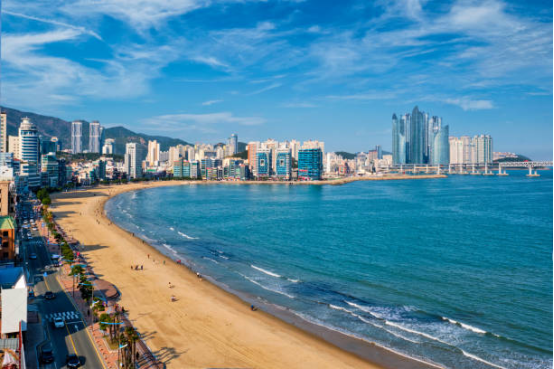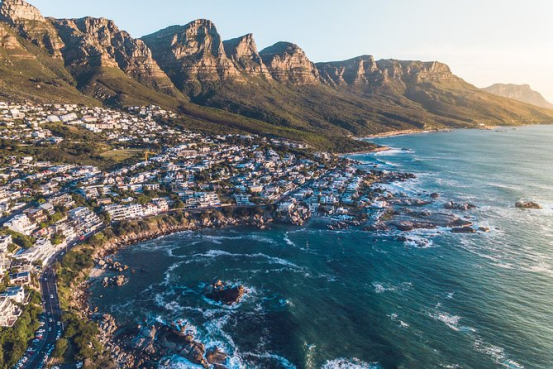
The coastline represents more than just a geographic boundary; it is a psychological threshold where the known world of land meets the infinite mystery of the sea. For centuries, humans have felt an inexplicable pull toward the “blue space,” seeking solace, inspiration, and a sense of renewal at the water’s edge. This paradox—the desire to escape the safety of the land for the volatile edge of the ocean—defines much of our modern travel culture and emotional well-being.
The Blue Mind: The Psychological Power of Water
The concept of the “Blue Mind,” popularized by marine biologist Wallace J. Nichols, suggests that humans have an innate biological connection to water. Being near the ocean triggers a mildly meditative state characterized by calm, peacefulness, and a sense of general happiness. This is a stark contrast to the “Red Mind,” which is the state of high stress and anxiety caused by modern urban life and constant digital connectivity.
The Impact of Sensory Stimuli
The coastline provides a unique combination of sensory inputs that soothe the nervous system. The rhythmic sound of waves acts as “white noise,” helping to quiet the brain’s internal chatter. The visual expanse of the horizon reduces cognitive load, allowing the mind to wander and recover from “attention fatigue.” Furthermore, the negative ions found in sea air are believed to improve oxygen flow to the brain, enhancing mood and energy levels.

Evolutionary Roots: Why Our Ancestors Chose the Coast
Our attraction to the coastline is not merely aesthetic; it is deeply rooted in our survival history. Early human civilizations frequently settled near coastal areas because they provided a stable and abundant source of protein through fishing and foraging. These “liminal spaces” offered the best of both worlds: the resources of the land and the bounty of the sea.
The Shoreline as a Strategic Advantage
Historically, the coast served as a primary hub for migration and trade. It was the starting point for exploration and the gateway to new cultures. This evolutionary legacy has left a permanent mark on our DNA, manifesting today as a desire to return to these transition zones. The “paradox” lies in the fact that while the ocean can be a place of danger and storms, it is also the place where life—and civilization—began to thrive.
| Coastal Ecosystem | Key Characteristic | Primary Benefit |
|---|---|---|
| Sandy Beaches | Soft sediment and gradual slope | Recreation and psychological relaxation |
| Rocky Cliffs | High elevation and dramatic vistas | Perspective and emotional awe |
| Mangrove Forests | Dense root systems and biodiversity | Environmental protection and carbon storage |
| Coral Reefs | Underwater biological complexity | Biodiversity and recreational diving |

The Economic and Cultural Allure of the Sea
Today, the coastline is the world’s most valuable real estate and the primary driver of the global tourism industry. From the Mediterranean to the Pacific islands, coastal destinations attract billions of dollars in investment. However, this popularity creates a second paradox: the more we flock to the coast to enjoy its pristine beauty, the more we pressure the very environment we seek to enjoy.
The Shift Toward Sustainable Escapism
As coastal erosion and rising sea levels become more prominent, the “escape” to the edge of the land is changing. Modern travelers are increasingly seeking “low-impact” coastal experiences. This includes staying in eco-resorts, participating in beach clean-ups, and choosing destinations that prioritize marine conservation. The future of the coastline depends on our ability to balance our deep-seated need for the sea with a responsibility to protect it.
Strategic Tips for Your Next Coastal Escape
To truly benefit from the restorative power of the coastline, one must approach the experience with intention. Simply sitting on a beach is a start, but deep engagement with the environment yields better psychological results.
Expert Advice for Maximum Restoration
- Practice “Digital Sunset”: Turn off all electronic devices at least one hour before the sun goes down to fully immerse yourself in the natural light transitions.
- Engage in “Soft Fascination”: Instead of focusing on a specific task, let your eyes drift across the horizon or follow the movement of the tide.
- Visit During the Off-Season: To avoid the “Red Mind” triggers of crowds and noise, visit coastal destinations during the shoulder seasons (spring or autumn).
- Choose “Wild” Coasts: Opt for rugged, undeveloped shorelines over commercialized boardwalks to experience a more profound sense of connection with nature.
Essential Coastal Packing Checklist
- Reef-safe, biodegradable sunscreen to protect marine life.
- A high-quality tide chart app to plan safe walks along the shore.
- Polarized sunglasses to reduce glare and see deeper into the water.
- A reusable water bottle to prevent plastic pollution on the beach.
- Binoculars for bird watching and observing distant marine vessels.
Frequently Asked Questions (FAQ)
- Why do people feel more creative when they are near the ocean?
- The ocean provides a “soft fascination” environment that allows the brain’s Default Mode Network (DMN) to activate. This is the state where the mind is free to make new connections and solve complex problems without the pressure of focused tasks.
- What is the “Paradox of the Coastline” specifically?
- It refers to the human tendency to seek out the coastline for peace and stability, despite the fact that the coast is one of the most volatile, changing, and potentially dangerous environments on Earth due to tides, storms, and erosion.
- Can “Blue Space” therapy help with clinical anxiety?
- While not a replacement for professional medical treatment, many studies show that regular exposure to coastal environments significantly lowers cortisol levels and can be a powerful supplementary tool for managing stress and anxiety.
- How can I find secluded coastal spots?
- Research “National Seashores” or “Marine Protected Areas” (MPAs). These locations often have stricter development rules, ensuring a more natural and less crowded experience compared to traditional tourist beaches.
- Is the air at the beach actually healthier?
- Yes, sea air is typically cleaner and contains higher levels of negative ions. These ions are thought to increase the body’s ability to absorb oxygen and balance levels of serotonin, a chemical linked to mood and stress.