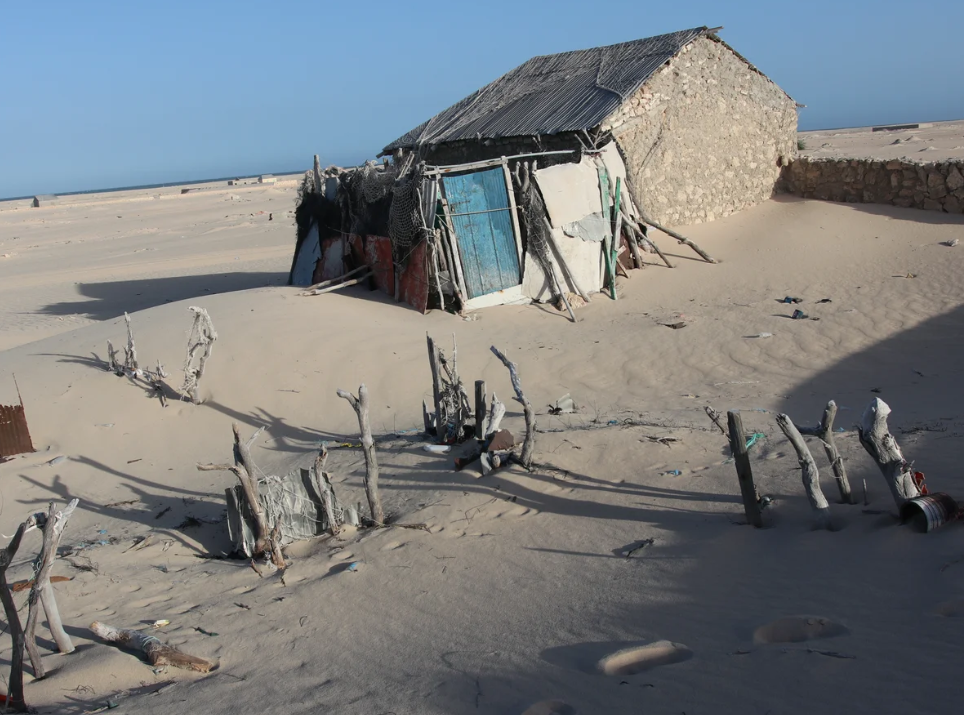
The Unyielding Grip: Why Coastal Grasses Thrive on Sand Dunes
Coastal sand dunes represent one of Earth’s most challenging environments for plant life, characterized by shifting sands, intense solar radiation, strong winds, and limited access to freshwater. Despite these harsh conditions, certain species of grass not only survive but thrive, playing a crucial role in stabilizing these dynamic landforms. Their success is attributed to a remarkable suite of specialized adaptations that allow them to overcome the stresses of a coastal existence, transforming seemingly barren landscapes into vibrant ecosystems.
Specialized Adaptations for Harsh Environments
The tenacity of dune grasses stems from a combination of morphological and physiological adaptations. These plants have evolved unique strategies to cope with nutrient-poor, saline soils, constant burial by sand, and mechanical stress from wind and waves.
- Extensive Root Systems: Many dune grasses, such as American Beachgrass (Ammophila breviligulata) and European Marram Grass (Ammophila arenaria), develop deep, fibrous root networks that can extend meters into the sand. These roots not only anchor the plant firmly against strong winds and shifting sands but also efficiently seek out water and nutrients in the porous substrate. The dense root mats are instrumental in binding sand particles together, preventing erosion.
- Rhizomatous Growth: A key adaptation is their ability to spread horizontally through underground stems called rhizomes. This allows them to quickly colonize new sand deposits, forming extensive clonal colonies. As sand accumulates around the plant, it stimulates further vertical growth, allowing the grass to “grow with the dune” and not be buried. This process is vital for dune building.
- Tolerances to Stress: Dune grasses exhibit high tolerance to salt spray, drought, and nutrient deficiency. Their leaves often have specialized structures, such as rolled edges or waxy cuticles, to minimize water loss through transpiration. Some species can excrete excess salt, preventing cellular damage.

The Role of Grasses in Dune Stabilization and Formation
The presence of tenacious grasses is not merely a matter of survival; it is fundamental to the very existence and evolution of coastal sand dunes. These plants act as natural engineers, trapping wind-blown sand and initiating the complex processes of dune formation and stabilization. Without them, most coastal dunes would be ephemeral features, constantly shifting and eroding.
Pioneering Dune Builders
The process begins when pioneer grass species establish themselves on nascent sand deposits. As wind carries sand particles inland from the beach, the physical presence of the grass blades creates friction, slowing the wind and causing sand to be deposited around the plant. This accumulation of sand stimulates the grass to grow taller and send out more rhizomes, capturing even more sand.
- Sand Trapping: Each blade of grass acts as a tiny barrier, reducing wind speed at ground level and encouraging sand deposition. Over time, these small accumulations grow into foredunes, which are the first line of defense against storm surges and coastal erosion.
- Organic Matter Contribution: As older parts of the grass die and decompose, they contribute organic matter to the sand, slowly improving its fertility and water retention capacity. This allows other, less tolerant plant species to eventually colonize the more stable, older dunes further inland, leading to ecological succession.
- Ecosystem Services: Beyond stabilization, dunes provide vital ecosystem services, including habitat for specialized wildlife, protection for inland areas from storm events, and recreational spaces. The grasses are the foundation of these services.

Case Studies of Resilient Dune Flora: Global Examples
Across the world, different species of tenacious grasses demonstrate the power of adaptation in coastal environments. These examples highlight the universal principles of dune ecology while showcasing regional biodiversity.
American Beachgrass (Ammophila breviligulata)
Dominant along the Atlantic coast of North America, American Beachgrass is a quintessential dune builder. Its aggressive rhizomatous growth allows it to rapidly colonize new sand and withstand significant sand burial, often growing up to a meter in height per year in response to deposition. Its dense root system forms an impenetrable mat that effectively holds the dune together, making it indispensable for coastal protection and restoration efforts.
European Marram Grass (Ammophila arenaria)
Found extensively along the coasts of Europe, Marram Grass performs a similar ecological role to its American counterpart. It is highly adapted to sand accretion, with leaves that roll inwards to reduce transpiration and a deep root system that can penetrate over a meter into the sand. Studies have shown that a healthy stand of Marram Grass can trap vast quantities of sand annually, contributing significantly to dune growth and stability.
Spinifex Grass (Spinifex sericeus)
In the harsh coastal environments of Australia, Spinifex Grass is a vital dune stabilizer. Its sprawling growth habit and tough, spiky leaves allow it to survive in arid conditions and tolerate high levels of salt spray. The plant’s ability to form large, interconnected mats helps to bind the sand and create microhabitats for other species, demonstrating resilience in some of the most exposed coastal regions.

The Relentless Sculptor: Understanding Wave Action and Dune Dynamics
While grasses build and stabilize dunes, the ocean’s waves are the primary sculptors of the coastline, constantly reshaping beaches and dunes through powerful erosional and depositional processes. The interaction between waves and coastal landforms is a dynamic dance, often described metaphorically as “fire” behind the ocean due to its immense, relentless energy. Understanding this interplay is crucial for appreciating the fragility and resilience of our coastal zones.
Erosional Forces and Sediment Transport
Ocean waves carry tremendous energy, especially during storms. When these waves crash against the shore, they exert significant force, capable of dislodging and transporting vast quantities of sand and sediment. This process is a primary driver of coastal erosion.
- Wave Impact and Scour: Direct wave impact can physically break down dune faces, especially during high tides and storm surges. The turbulent water then scours the base of the dunes, carrying away sand.
- Longshore Drift: Waves approaching the shore at an angle create a current parallel to the coastline, known as longshore drift. This current transports sediment along the beach, leading to erosion in some areas and deposition in others, constantly altering the shoreline profile.
- Seasonal Changes: Wave energy often varies seasonally. Winter storms typically bring higher energy waves that cause erosion, while calmer summer conditions allow for sediment deposition and beach recovery. This cyclical process is a natural aspect of coastal dynamics.

The Cycle of Dune Formation and Retreat
Coastal dunes are not static features but are part of an ongoing cycle of formation, growth, and retreat, directly influenced by wave action and sediment supply. This cycle is a testament to the dynamic equilibrium of natural coastal systems.
Dune Building and Accretion
Dune formation typically begins with the deposition of sand by wind, often initiated by obstacles like driftwood or pioneer vegetation. As discussed, tenacious grasses play a pivotal role in trapping more sand, leading to the growth of foredunes and eventually larger dune systems. This accretion process is most effective when there is an ample supply of sand from the beach and moderate wind conditions.
Dune Erosion and Retreat
Periods of high wave energy, particularly during severe storms, can lead to significant dune erosion. Storm surges can overtop dunes, washing sand inland or carrying it offshore. The removal of the protective dune barrier exposes inland areas to further flooding and erosion. While natural, excessive or prolonged erosion can threaten coastal infrastructure and ecosystems.
- Storm Events: Hurricanes, cyclones, and powerful winter storms are major drivers of dune erosion. They can cause rapid changes to the coastline, sometimes eroding meters of dune face in a single event.
- Sea Level Rise: Over longer timescales, rising sea levels exacerbate erosion by allowing waves to reach further inland and increasing the frequency and intensity of coastal flooding. This poses a long-term threat to the stability of many dune systems.

Beyond the Sand: The Hidden Marine “Forests” of Coastal Zones
While the visible landscape of dunes and beaches captures our attention, the waters just offshore often conceal equally vital and dynamic ecosystems: the marine “forests.” These underwater habitats, ranging from towering kelp beds to sprawling seagrass meadows, are biodiversity hotspots, playing critical roles in marine ecology, coastal protection, and carbon sequestration. They represent another layer of the intricate tapestry of coastal wonders.
Kelp Forests and Seagrass Beds: Underwater Ecosystems
These submerged plant communities are among the most productive ecosystems on Earth, providing food, shelter, and breeding grounds for countless marine species.
- Kelp Forests: Found in cooler, nutrient-rich waters, kelp are large brown algae that grow in dense underwater forests. They can reach impressive heights, forming a canopy that shades the seafloor and provides a complex three-dimensional habitat. Kelp forests support diverse communities of fish, invertebrates, and marine mammals, including sea otters and seals.
- Seagrass Beds: Unlike kelp, seagrasses are true flowering plants that have adapted to live fully submerged in marine environments. They form extensive meadows in shallow, sheltered coastal waters around the globe. Seagrass beds are crucial nursery grounds for many commercially important fish and shellfish, and they serve as a primary food source for species like sea turtles and manatees.

Biodiversity Hotspots and Their Ecological Importance
The marine forests are ecological powerhouses, contributing significantly to the overall health and productivity of coastal and oceanic ecosystems. Their structural complexity creates a multitude of niches, fostering high biodiversity.
Support for Marine Life
Both kelp and seagrass provide essential services for marine organisms:
- Habitat and Shelter: The dense structure of these “forests” offers refuge from predators and strong currents, particularly for juvenile fish and invertebrates.
- Food Source: Direct consumption of seagrasses by herbivores and the detritus from decaying kelp and seagrass form the base of complex food webs.
- Oxygen Production: Through photosynthesis, these marine plants contribute significantly to the oxygen content of coastal waters.
- Water Quality Improvement: Seagrasses filter pollutants and trap sediments, improving water clarity and quality, which benefits other marine life, including corals.
Carbon Sequestration
Marine forests are also vital in the global carbon cycle. Seagrass meadows, in particular, are incredibly efficient at sequestering carbon, often referred to as “blue carbon” ecosystems. They can store carbon in their sediments at rates far exceeding terrestrial forests, playing a critical role in mitigating climate change.

Unique Coastal Phenomena: The “Swimming Forests” of Portsmouth
In specific locations, coastal environments reveal truly unique phenomena, such as the metaphorical “swimming forests” observed near Portsmouth. While warships might dominate the visual landscape of a port city, the natural world often presents its own wonders just beneath the surface or along less-traveled shores.
Interpreting “Swimming Forests”
The term “swimming forest” could refer to several natural phenomena, each adding to the biodiversity and ecological richness of a coastal area like Portsmouth:
- Extensive Kelp Beds: Given the temperate waters of the UK, extensive kelp forests could thrive in suitable rocky substrates offshore, providing a dynamic underwater landscape that appears to “swim” with the currents. Species like Sugar Kelp (Saccharina latissima) or Oarweed (Laminaria digitata) form substantial underwater canopies.
- Floating Seaweed Mats: Large accumulations of free-floating seaweeds, detached from their anchors, can form significant mats that drift with tides and currents, creating transient floating habitats. While not a true “forest,” their collective mass and movement can give the impression of a mobile, living entity.
- Seagrass Meadows: If conditions are right, sheltered estuaries and bays near Portsmouth could host vital seagrass meadows. These dense underwater prairies, swaying with the currents, could be perceived as “swimming” or flowing landscapes.
- Artificial Reefs and Marine Growth: Over time, submerged structures, including shipwrecks or artificial reefs, become colonized by marine life, including dense growths of algae and invertebrates, creating complex underwater ecosystems that resemble miniature forests.
Regardless of the specific interpretation, the existence of such “swimming forests” underscores the often-overlooked natural beauty and ecological value that coexists even with industrial or military coastal activities, highlighting the resilience of marine life.
Preserving Our Coastal Wonders: Conservation Strategies
The dynamic and fragile nature of coastal ecosystems, from the tenacious grasses on dunes to the hidden marine forests, necessitates robust conservation efforts. Human activities, climate change, and pollution all pose significant threats, making proactive management and community involvement critical for their long-term survival.
Protecting Dune Ecosystems
Dune systems are vital buffers against coastal erosion and storm surges, and their protection is paramount for both ecological health and human safety.
- Dune Restoration: Planting native dune grasses is a common and effective method for stabilizing eroded dunes and building new ones. This often involves community volunteer efforts and specialized equipment.
- Access Management: Limiting foot traffic to designated pathways and boardwalks prevents damage to fragile dune vegetation, which can easily be destroyed by trampling, leading to blowouts and erosion.
- Education and Awareness: Informing the public about the importance of dunes and the impact of human activities is crucial for fostering responsible behavior.
Safeguarding Marine Habitats
Underwater ecosystems like kelp forests and seagrass beds are vulnerable to pollution, habitat destruction, and climate change impacts such as ocean acidification and warming.
- Marine Protected Areas (MPAs): Establishing MPAs helps to protect critical habitats from overfishing, destructive fishing practices, and development.
- Pollution Reduction: Reducing nutrient runoff from agriculture and urban areas, as well as minimizing plastic pollution, is essential for maintaining water quality necessary for marine plant growth.
- Sustainable Fisheries: Implementing sustainable fishing practices helps to protect the biodiversity that relies on these marine forests for food and shelter.
Community Involvement and Sustainable Practices
Effective coastal conservation relies heavily on the engagement of local communities and the adoption of sustainable practices at both individual and policy levels.
- Citizen Science: Engaging volunteers in monitoring programs helps collect valuable data on coastal health and fosters a sense of stewardship.
- Coastal Zone Management: Integrated coastal zone management plans consider the interconnectedness of land and sea, balancing economic development with ecological protection.
- Climate Change Mitigation: Addressing the root causes of climate change, such as reducing greenhouse gas emissions, is a long-term strategy for protecting all coastal ecosystems from rising sea levels and ocean acidification.
Conclusion: The Future of Our Dynamic Coasts
The coastal zones of our planet are extraordinary landscapes, defined by an intricate interplay of geological forces, resilient flora, and vibrant marine life. From the tenacious grasses that anchor shifting sand dunes against the relentless power of ocean waves to the hidden, life-sustaining marine “forests” beneath the surface, these ecosystems are vital for biodiversity, coastal protection, and even global climate regulation. Understanding their dynamic nature and the profound adaptations of the species that inhabit them is the first step towards their preservation. As we face increasing pressures from climate change and human development, our commitment to conservation, restoration, and sustainable practices will determine the future health and resilience of these indispensable coastal wonders. By valuing and protecting these unique environments, we ensure that the beauty and ecological services of our shores continue to thrive for generations to come.
Frequently Asked Questions (FAQ)
- Q1: How do coastal grasses survive in such harsh environments?
- Coastal grasses possess specialized adaptations such as deep, extensive root systems for anchoring and water absorption, rhizomatous growth for rapid colonization and sand trapping, and physiological tolerances to salt spray, drought, and nutrient-poor soils. Their rolled leaves and waxy cuticles also help reduce water loss.
- Q2: What is the primary role of sand dunes in coastal ecosystems?
- Sand dunes serve as natural barriers, protecting inland areas from storm surges, high tides, and wind erosion. They also act as vital habitats for specialized flora and fauna, contribute to coastal biodiversity, and can store freshwater. The grasses on dunes are crucial for their formation and stabilization.
- Q3: How do ocean waves impact coastal dunes?
- Ocean waves are powerful sculptors of the coastline. During storms, high-energy waves cause erosion by directly impacting dune faces and scouring their bases, transporting sand offshore or along the coast through longshore drift. While waves can destroy dunes, they also contribute to the overall dynamic cycle of coastal sediment movement.
- Q4: What are “swimming forests” in a marine context, and why are they important?
- “Swimming forests” typically refer to extensive underwater plant communities like kelp forests or seagrass meadows. These ecosystems are vital biodiversity hotspots, providing habitat, food, and nursery grounds for numerous marine species. They also play a critical role in carbon sequestration, helping to mitigate climate change, and improve water quality by filtering sediments and pollutants.
- Q5: What are some key strategies for conserving coastal ecosystems?
- Key conservation strategies include dune restoration through planting native grasses, managing coastal access to prevent damage, establishing Marine Protected Areas (MPAs) for underwater habitats, reducing pollution and nutrient runoff, and promoting sustainable fishing practices. Education, community involvement, and addressing climate change are also crucial for long-term protection.
Related Posts
The Paradox of the Coastline: Why We Are Drawn to the Edge of the World
A comprehensive exploration of the human obsession with the sea, blending psychology, history, and travel strategy to explain why the…
The Global Beach Odyssey: A Definitive Guide to World-Class Coastal Escapes
Explore the ultimate, high-density guide to the world's most iconic shorelines. From the rugged cliffs of San Francisco to the…
The Ultimate Guide to the World’s Most Captivating Coastal Cities
From the dramatic cliffs of Santorini to the vibrant hills of Valparaíso, coastal cities offer a unique blend of natural…