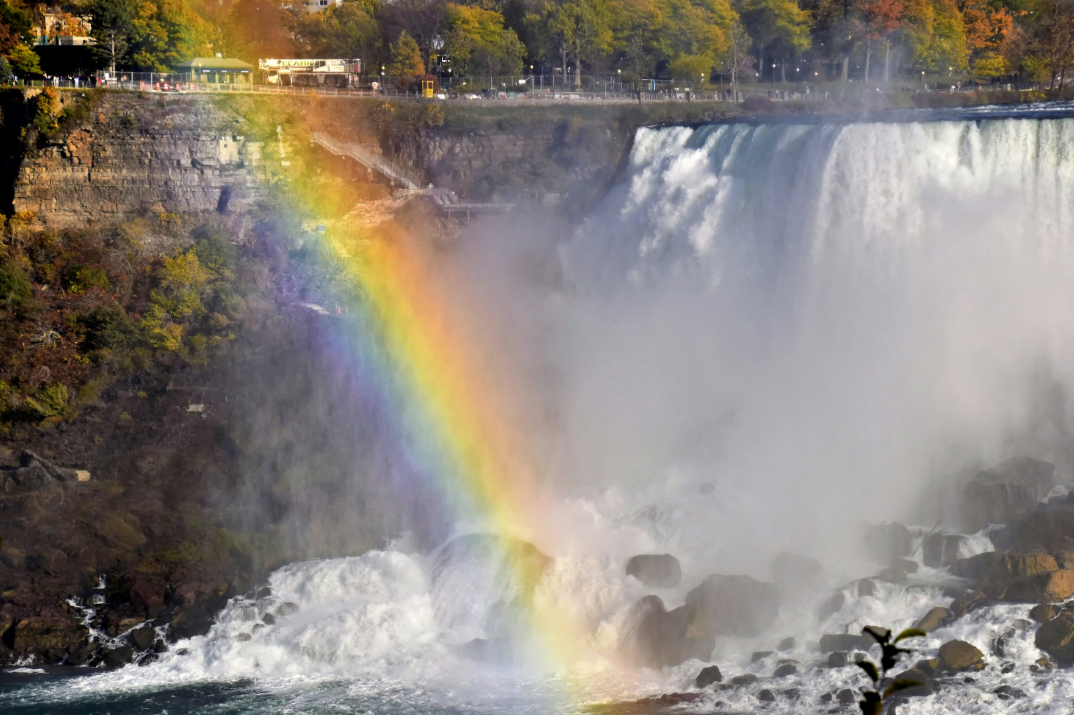
Niagara Falls is often viewed through the lens of a simple tourist destination—a place to witness the sheer power of nature and snap a few photographs of the cascading mist. However, to truly understand Niagara is to delve into a narrative that spans thousands of years, involving Indigenous traditions, colonial conflicts, industrial breakthroughs, and a vibrant local culture that continues to evolve. This pillar page serves as a definitive resource for those seeking to look past the surface of the falls and appreciate the complex tapestry of history and identity that defines this region.
The Historical Evolution of Niagara Falls
The history of Niagara Falls is intrinsically linked to the movement of glaciers and the shifting of the Earth’s crust. Formed approximately 12,000 years ago at the end of the Wisconsin glaciation, the falls were created when water from the newly formed Great Lakes carved a path through the Niagara Escarpment en route to the Atlantic Ocean. This geological event set the stage for human interaction that would eventually shape North American history.
Indigenous Heritage and Early Encounters
Long before European explorers arrived, the region was home to the Haudenosaunee and the Neutral Confederacy. For these Indigenous peoples, the falls were not just a physical landmark but a spiritual site of immense power. They established trade routes and seasonal settlements, utilizing the abundance of the surrounding land. The name “Niagara” itself is believed to be derived from the Iroquoian word “Onguiaahra,” meaning “The Strait.”
The Strategic Importance in Colonial Conflict
During the 18th and 19th centuries, Niagara became a pivotal strategic point for European powers. The portage around the falls was the only way to move goods and troops between Lake Ontario and Lake Erie. This logistical necessity led to the construction of fortifications and eventually made the region a primary theater of the War of 1812. Battles such as Lundy’s Lane and Queenston Heights were fought within earshot of the falls’ roar, leaving a legacy of military history that is still preserved in local monuments and museums today.

The Cultural Impact of the Roaring Waters
The influence of Niagara Falls extends deep into the psyche of the local community and the global imagination. It has served as a muse for artists, a challenge for daredevils, and a symbol of romance for millions of visitors. The culture of the Niagara region is a unique blend of high-energy tourism and quiet, historical reverence.
Art, Literature, and the Romanticization of Nature
In the 19th century, Niagara Falls became the centerpiece of the Romantic movement in North America. Painters like Frederic Edwin Church and writers like Nathaniel Hawthorne sought to capture the “sublime”—the feeling of awe and terror inspired by the overwhelming power of nature. This cultural movement transformed Niagara from a rugged frontier into a site of pilgrimage for those seeking spiritual and aesthetic enlightenment. Today, this legacy continues through local galleries and public art installations that interpret the falls through modern lenses.
The Culinary and Festival Scene
The culture of Niagara is also expressed through its vibrant culinary scene and community gatherings. The microclimate created by the Great Lakes and the Escarpment makes the Niagara Peninsula one of the premier wine-growing regions in the world. This has fostered a “farm-to-table” culture where local produce and world-class viticulture meet. Annual events, such as the Niagara Falls Festival of Lights and various heritage festivals, celebrate the intersection of natural beauty and community spirit, drawing locals and tourists together in shared celebration.

Hydroelectric Power and Industrial Innovation
Beyond its beauty, Niagara Falls is a powerhouse of industrial innovation. The falls represent one of the most successful examples of human engineering working in tandem with natural forces. The transition from using the water for simple grist mills to generating massive amounts of electricity changed the course of modern history.
Harnessing the Force: The Birth of Modern Power
In the late 1800s, Niagara Falls became the site of a revolutionary breakthrough in electrical engineering. Through the work of pioneers like Nikola Tesla and George Westinghouse, the first large-scale alternating current (AC) power plant was established. This allowed electricity to be transmitted over long distances, effectively powering the city of Buffalo and proving that AC was the future of global electrification. The remains of early power stations, such as the Niagara Parks Power Station, now serve as educational sites where visitors can explore the massive turbines and tunnels that once fueled the industrial revolution.
Economic Milestones of the Niagara Region
| Era | Key Development | Impact |
|---|---|---|
| 1700s | Fur Trade & Portage | Established the region as a vital commercial artery. |
| 1885 | Niagara Parks Act | Created the first provincial park in Ontario to protect the falls. |
| 1896 | AC Power Transmission | Began the era of long-distance electrical distribution. |
| 1950s | Niagara Treaty | Regulated water flow to balance power needs and tourism. |

Geological Significance and Environmental Stewardship
The physical presence of Niagara Falls is a lesson in constant change. Geologically, the falls are moving backward toward Lake Erie due to erosion. While the rate of erosion has been slowed by human intervention, the falls remain a dynamic system that requires careful management and environmental stewardship.
The Mechanics of Erosion and Change
The Niagara River flows over a layer of hard Lockport dolostone, which overlies softer layers of shale and sandstone. As the water plunges over the edge, it wears away the softer rock at the base, eventually causing the hard top layer to collapse. Historically, the falls receded at a rate of about three feet per year. Today, by diverting water for hydroelectric power and implementing engineering projects to strengthen the crestline, that rate has been reduced to approximately one foot every ten years. This balance between natural progression and preservation is a core focus for local geologists and environmentalists.
Conservation Efforts for Future Generations
The Niagara River corridor is a globally significant ecosystem, providing habitat for numerous species of birds, fish, and plants. Organizations such as the Niagara Parks Commission work tirelessly to maintain the biodiversity of the region. This includes managing invasive species, restoring native wetlands, and ensuring that the millions of annual visitors do not negatively impact the delicate balance of the local environment. Sustainable tourism practices are being integrated into every aspect of the visitor experience, from eco-friendly transport to waste reduction initiatives.

The Legacy of the Niagara Falls History Museum
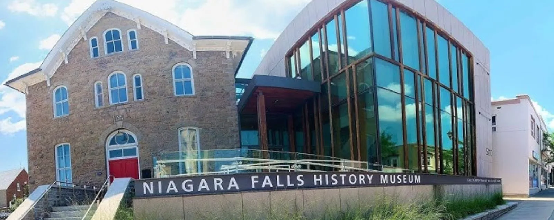
For those looking to synthesize these various threads of history and culture, the Niagara Falls History Museum is an essential stop. Located in the historic Stamford Town Hall, the museum serves as the primary repository for the city’s collective memory, offering a deep dive into the stories that have shaped the region.
A Journey Through Time via Artifacts
The museum’s collection is vast, ranging from 1812 military uniforms and Indigenous beadwork to vintage souvenir kits from the early days of tourism. Each exhibit is designed to provide context to the falls, moving beyond the visual spectacle to explain the “why” and “how” of the region’s development. The museum also features interactive displays that allow visitors to experience the weight of a musket or the challenges of early pioneers, making history accessible to all ages.
Community Connection and Education
The Niagara Falls History Museum is more than just a building; it is a community hub. It hosts regular lectures, workshops, and temporary exhibitions that highlight local artists and contemporary issues. By connecting the past with the present, the museum ensures that the heritage of Niagara Falls remains a living part of the community’s identity. It encourages visitors to think critically about how the falls have been used, exploited, and protected over the centuries.

Daredevils and the Romantic Era of Tourism
No exploration of Niagara Falls is complete without acknowledging the era of the daredevils. Starting in the mid-19th century, the falls became a magnet for those seeking fame by defying death. This “stunt culture” played a significant role in cementing Niagara’s reputation as a place of extreme adventure.
The Barrel Jumpers and Tightrope Walkers
From Sam Patch, the “Yankee Leaper,” to Annie Edson Taylor, the first person to survive a trip over the falls in a barrel, these individuals captured the world’s attention. Tightrope walkers like The Great Blondin performed death-defying crossings high above the gorge, sometimes carrying a person on their back or cooking an omelet mid-way. While modern laws strictly prohibit such stunts, the history of these daredevils is preserved in local lore and museum exhibits, representing the human desire to conquer the unconquerable.
The Evolution of the “Honeymoon Capital”
Simultaneously, Niagara Falls cultivated a reputation as the “Honeymoon Capital of the World.” This began in the early 1800s when high-profile figures like Theodosia Burr (daughter of Aaron Burr) and Jerome Bonaparte (brother of Napoleon) visited for their nuptials. The arrival of the railroad made the destination accessible to the middle class, and soon, the image of a newlywed couple overlooking the falls became a cultural staple. This romantic legacy continues to drive a significant portion of the local tourism economy, with themed hotels and wedding chapels dotting the landscape.

Sustainable Tourism and the Future of the Region
As we move further into the 21st century, Niagara Falls faces the challenge of balancing its status as a global tourism icon with the need for environmental and cultural sustainability. The future of the region lies in creating experiences that are both spectacular and responsible.
Integrating Technology and Nature
Modern attractions are increasingly focusing on immersive storytelling. For example, “Currents: Niagara’s Power Transformed” is a sensory experience that uses 3D projection mapping inside a decommissioned power plant to tell the story of water and electricity. This move toward digital storytelling allows for a deeper understanding of the falls without requiring further physical intervention in the natural landscape. It represents a shift toward “educational entertainment” that respects the integrity of the site.
The Path Toward Carbon Neutrality
Local authorities are also prioritizing green initiatives. The transition to electric tour buses, the expansion of cycling trails along the Niagara Parkway, and the implementation of strict water conservation protocols are all part of a broader strategy to ensure that Niagara Falls remains a pristine destination for centuries to come. By honoring its history and embracing innovative sustainability, the Niagara region continues to prove that it is, and always will be, more than just a spectacular view.
Frequently Asked Questions (FAQ)
- Q1: Why is Niagara Falls historically significant beyond its beauty?
- Niagara Falls served as a critical strategic point during the War of 1812 and was the site of the first major breakthrough in alternating current (AC) power transmission. It has also been a center for Indigenous trade and spiritual practice for thousands of years.
- Q2: How has the local culture been shaped by the falls?
- The falls have influenced everything from the local “daredevil” lore and the Romantic art movement to the thriving wine and culinary industry. The identity of the local community is built around the dual roles of the falls as a natural wonder and an economic engine.
- Q3: What role did the falls play in the industrial revolution?
- Niagara Falls was the birthplace of large-scale hydroelectric power. The collaboration between Nikola Tesla and George Westinghouse at the Adams Power Plant proved that electricity could be transmitted over long distances, which essentially powered the modern industrial age.
- Q4: What can visitors learn at the Niagara Falls History Museum?
- Visitors can explore detailed exhibits on the War of 1812, Indigenous heritage, the history of daredevils, and the daily lives of the people who built the city of Niagara Falls. It offers a comprehensive look at the region’s social and political evolution.
- Q5: Is Niagara Falls still eroding today?
- Yes, but at a much slower rate. Due to water diversion for power and crestline engineering, the erosion rate has slowed from three feet per year to approximately one foot every decade, preserving the falls for future generations.