Waterfalls represent some of nature’s most dramatic displays of power and artistry, yet their ecological significance often remains overshadowed by their sheer visual grandeur. Far from being mere geological features, these colossal cascades are vital hubs of biodiversity, fostering unique microclimates and supporting a vast array of specialized life forms. From the thundering Zambezi to the mighty Niagara River, the interplay of immense water flow, constant mist, and specific geological formations sculpts habitats unlike any other. This guide embarks on a deep exploration of these dynamic waterfall ecosystems, revealing the intricate web of life that thrives within their influence, the fascinating geological processes that dictate their evolution, and the crucial imperative to protect these irreplaceable natural treasures.
Understanding Waterfall Ecosystems: More Than Just Flow
The concept of a waterfall ecosystem extends far beyond the immediate plunge pool and spray zone; it encompasses the entire hydrological and geological system influenced by the cascade. These environments are characterized by constant energy, rapid nutrient cycling, and unique physical stressors that drive the evolution of highly adapted species. The very force of the water acts as a relentless sculptor, continuously reshaping the landscape and creating a mosaic of habitats.
The Geomorphological Powerhouse: Erosion and Habitat Creation
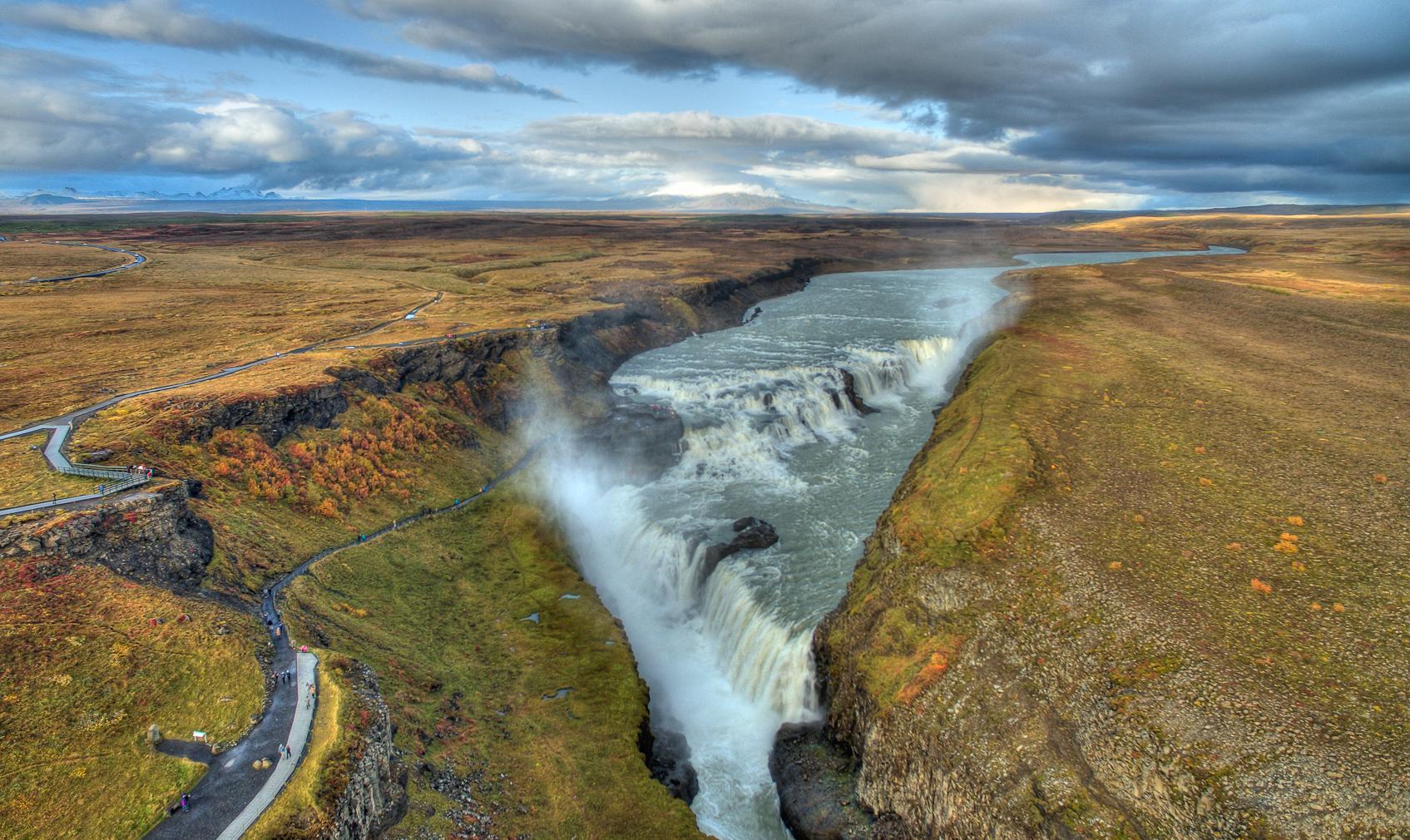
Waterfalls are dynamic agents of geological change. The immense kinetic energy of falling water, coupled with abrasive sediment, leads to significant erosion, particularly at the lip and base of the falls. This process, known as headward erosion, causes the waterfall to gradually retreat upstream, carving out vast gorges and canyons. The constant churning of water at the plunge pool creates deep basins and oxygenates the water, while the spray and mist nourish a distinct flora along the banks. This continuous reshaping prevents ecological stagnation, ensuring a perpetually evolving landscape where new niches are constantly formed and colonized.
Microclimates and Unique Habitats: Life in the Mist
One of the most defining characteristics of a waterfall ecosystem is the creation of highly localized microclimates. The pervasive mist and spray generated by the falls drastically alter temperature, humidity, and light conditions in the immediate vicinity, often nurturing lush, rainforest-like conditions even in otherwise arid regions. These conditions support specialized plant communities and provide essential moisture for a diverse range of fauna.
- Spray Zones: These areas, constantly bathed in fine water droplets, exhibit extremely high humidity and stable temperatures. They are often home to unique bryophytes (mosses and liverworts), ferns, and epiphytic plants that thrive in constant moisture, forming dense, verdant carpets.
- Plunge Pools & Rapids: The turbulent waters at the base of the falls and the downstream rapids are highly oxygenated but present extreme physical challenges. Organisms here, such as certain fish species, insect larvae (e.g., caddisflies, blackflies), and mollusks, possess adaptations like strong suction cups, streamlined bodies, or firm attachments to rocks to withstand the powerful currents.
- Riverine Forests & Gorges: The banks flanking the falls and the walls of the gorges, often sheltered from direct sunlight but exposed to indirect moisture, host diverse riverine forest ecosystems. These areas provide shelter, nesting sites, and food sources for a multitude of birds, mammals, and reptiles, benefiting from the enhanced vegetation growth.

Victoria Falls: A Thriving Biodiversity Hotspot
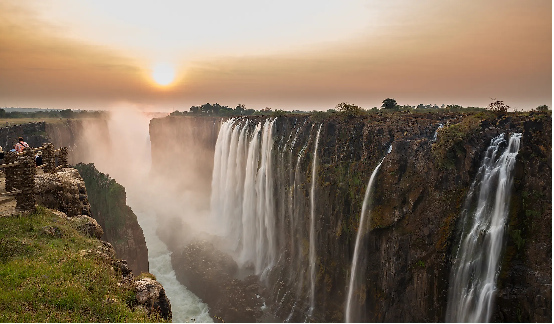
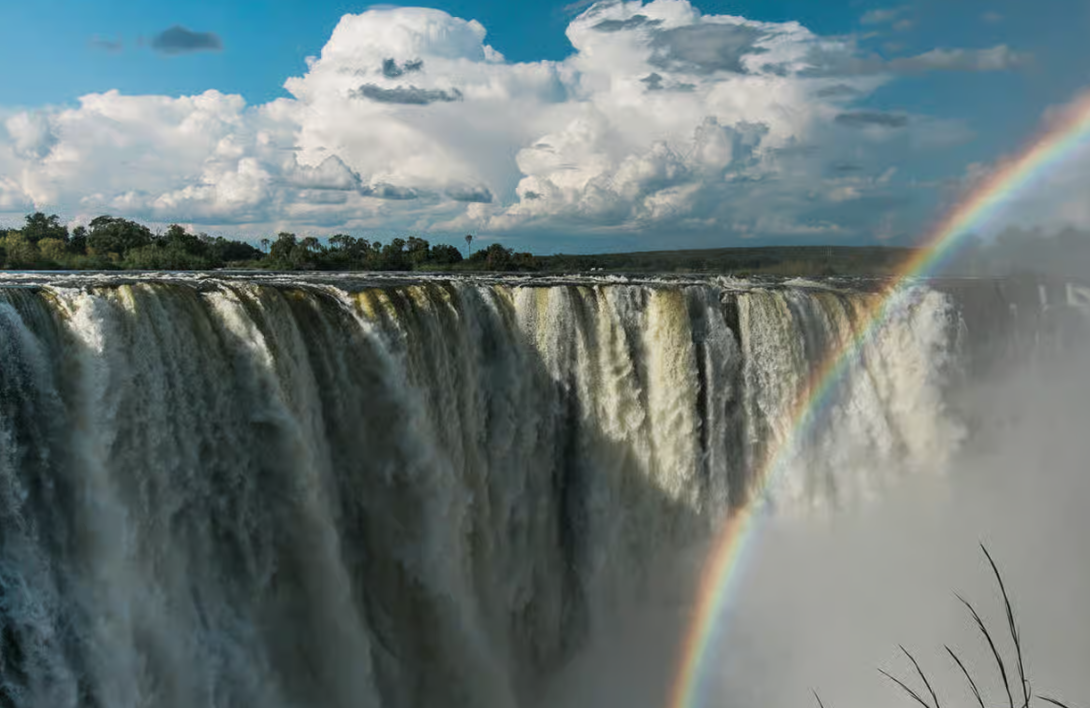
Known locally as Mosi-oa-Tunya, “The Smoke that Thunders,” Victoria Falls on the Zambezi River is not only one of the world’s largest and most spectacular waterfalls but also the heart of a vibrant and unique ecosystem. The immense curtain of water creates a perpetual rainforest in its spray zone, supporting an extraordinary array of plant and animal life, many of which are endemic or highly specialized to this environment.
Iconic Avian Residents: Birds of the Mosi-oa-Tunya
The skies above and the forests around Victoria Falls are a paradise for birdwatchers, boasting over 400 species. The sheer abundance of water, insects, and varied habitats attracts both resident and migratory birds. Raptors like the Taita Falcon and Peregrine Falcon are often seen soaring along the gorge walls, utilizing the updrafts created by the falls. Water-dependent species thrive in the river and its banks.
- African Finfoot: An elusive and unique waterbird, often spotted along the calmer stretches of the Zambezi, expertly navigating dense vegetation.
- Pel’s Fishing Owl: A nocturnal giant, preying on fish and frogs, its presence indicating a healthy aquatic ecosystem.
- Trumpeter Hornbill: Recognized by its large casque, these fruit-eating birds are a common sight in the riverine forests.
- Various Kingfishers: Including the Giant, Pied, and Malachite Kingfishers, all perfectly adapted to fishing in the clear waters.
- Rock Pratincoles: These elegant birds nest on the rocky islands in the rapids above the falls.
Mammalian Inhabitants and Riverine Life: Beyond the Spray
While the focus is often on the falls themselves, the surrounding Zambezi River and its associated habitats support a rich diversity of mammals. African elephants frequently cross the river upstream, and their presence is a testament to the abundance of resources. Primates like Chacma Baboons and Vervet Monkeys are common, often seen foraging along the riverbanks or near tourist areas. The Zambezi River itself is home to a robust population of Hippopotamus and Nile Crocodiles, which play crucial roles as apex predators and ecosystem engineers. The river’s waters teem with over 89 fish species, including the prized Tigerfish and various species of bream, supporting local fishing economies and providing food for other wildlife.
Flora of the Rainforest and Riverine Belt: The Lush Vegetation Sustained by the Mist
The constant spray from Victoria Falls creates a unique microclimate that supports a luxuriant rainforest, a stark contrast to the surrounding drier savanna. This “Rainforest” within the Victoria Falls National Park is a biological anomaly, sustained purely by the mist. It boasts a distinct flora adapted to high humidity and continuous moisture.
- Ebony & Fig Trees: Dominant tree species providing canopy and sustenance.
- Maidenhair Ferns: Abundant and thriving in the shaded, moist undergrowth.
- Wild Date Palms: Often found along the riverbanks.
- Lianas & Epiphytes: Climbing vines and air plants that utilize the dense canopy and high humidity.
- Specific Mosses & Liverworts: Covering rocks and tree trunks, indicative of persistent moisture.

Niagara Falls: Biodiversity Amidst Urbanization and Power
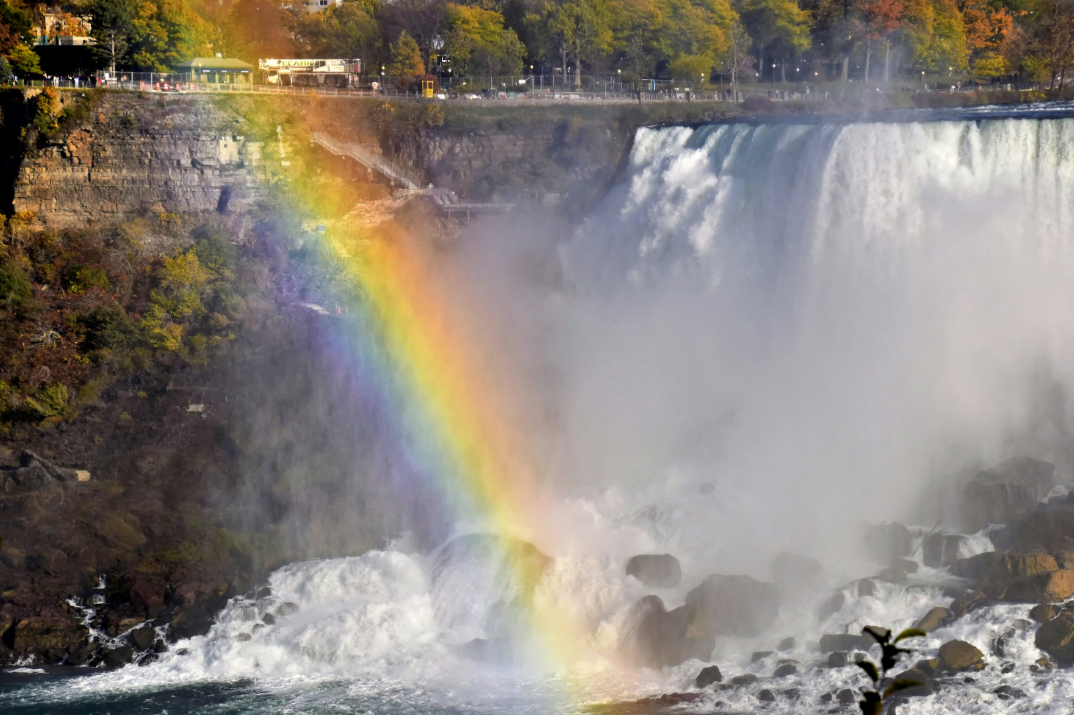
Niagara Falls, a colossal natural wonder shared by the United States and Canada, presents a fascinating case study of biodiversity thriving amidst significant human development and hydroelectric power generation. Despite the surrounding urbanization, the sheer volume of water, the vastness of the Great Lakes system it drains, and the unique geology of the Niagara Gorge create a robust and surprisingly diverse ecosystem.
Avian Wonders of the Gorge: Birds Adapting to an Urbanized Natural Wonder
The Niagara River corridor, including the falls and gorge, is recognized as an Important Bird Area (IBA), particularly significant for migratory birds and wintering waterfowl. The open water below the falls often remains unfrozen, providing a critical refuge during colder months. Bird species here demonstrate remarkable adaptability to the confluence of natural power and human presence.
- Gulls (e.g., Herring Gull, Ring-billed Gull): Abundant, often seen foraging near the falls and along the river.
- Ducks & Geese (e.g., Canvasback, Redhead, Common Goldeneye): Large flocks winter on the Niagara River, drawn by the open water.
- Peregrine Falcons: These powerful raptors have successfully recolonized the Niagara Gorge, nesting on the cliffs and preying on other birds.
- Great Blue Herons: Wading birds that stalk fish in the shallower river sections.
- Belted Kingfishers: Known for their distinctive call and diving prowess, they are common along the riverbanks.
Aquatic Life in the Niagara River: Fish Species and Their Challenges
The Niagara River serves as a vital connecting channel between Lake Erie and Lake Ontario, facilitating the movement of numerous fish species. The turbulent waters near the falls, while challenging, also provide unique habitats. However, the ecosystem faces challenges from historical pollution, invasive species, and the significant hydroelectric dams that alter flow regimes and fish migration patterns.
- Lake Sturgeon: An ancient and endangered species, efforts are underway to restore its population in the Great Lakes and Niagara River system.
- Rainbow Trout & Chinook Salmon: Popular sport fish, these species migrate into the river from Lake Ontario.
- Smallmouth Bass & Walleye: Common predatory fish found throughout the river system.
- Various Minnow Species: Forming the base of the food chain for larger fish and birds.
The Hidden Flora of the Niagara Gorge: Unique Plant Communities
The deep, shaded, and often moist environment of the Niagara Gorge creates microclimates that support a unique and diverse flora, including several rare and endemic plant species. The sheer cliffs and spray zones offer refuge for plants that might struggle in the surrounding altered landscapes.
- Maidenhair Spleenwort: A delicate fern clinging to the moist limestone cliffs.
- Rare Orchids: Specific species found in the sheltered, humid pockets of the gorge.
- Eastern Hemlock: Providing dense shade and contributing to the cool, moist conditions.
- Various Mosses & Liverworts: Thriving on the perpetually damp rock faces.

The Transformative Journey: From Roaring Waterfall to Silent Wetland
The grandeur of a waterfall is often perceived as an immutable force, a permanent feature of the landscape. However, geological processes dictate that waterfalls are inherently transient, constantly evolving and eventually transforming. The powerful “violence” of their erosion and flow is part of a grander natural cycle that, over geological timescales, often leads to the serene “silence” of a wetland.
Geological Processes of Retreat and Sedimentation: The Inevitable Evolution
Waterfalls are defined by their vertical drop and the erosive power of water. As water flows over a resistant rock layer and undercuts softer rock beneath, the lip of the falls gradually collapses, causing the waterfall to retreat upstream. This process, known as headward erosion, can be observed at Niagara Falls, which has retreated several miles from its original position. Concurrently, the eroded material is transported downstream, where it eventually settles in calmer sections of the river. Over millennia, this sedimentation can fill in river channels, reduce gradients, and create broad, shallow areas conducive to wetland formation.
The transition is a slow, relentless dance between erosion and deposition:
| Characteristic | Waterfall Stage | Wetland Stage |
|---|---|---|
| Water Flow | High velocity, turbulent, erosive | Slow, stagnant to gently flowing, depositional |
| Dominant Process | Erosion, headward retreat | Sedimentation, nutrient accumulation |
| Habitat Type | Plunge pools, rapids, spray zones | Marshes, swamps, bogs, fens |
| Biodiversity Focus | Rheophilic (fast-water) species, cliff dwellers | Lentic (still-water) species, emergent vegetation |
| Geological Feature | Gorges, canyons, steep drops | Floodplains, deltas, shallow basins |
Ecological Succession and Habitat Shifts: New Life in Calmer Waters
As the geological landscape transforms, so too does the ecological community. The shift from a high-energy waterfall environment to a low-energy wetland triggers a profound process of ecological succession. Species adapted to turbulent, oxygen-rich waters are gradually replaced by those that thrive in calmer, often anoxic (low oxygen) conditions. This leads to a dramatic change in flora and fauna.
- Plant Communities: Robust aquatic grasses, sedges, reeds, and emergent vegetation like cattails begin to dominate, forming dense stands that trap more sediment and create further stability. Trees adapted to waterlogged soils, such as willows and cypress, may form swamp forests.
- Invertebrates: Fast-water insect larvae give way to a diverse array of detritivores (e.g., mosquito larvae, dragonfly nymphs) and filter feeders that thrive in still or slow-moving water.
- Fish Species: Fish requiring strong currents and highly oxygenated water are replaced by species adapted to warmer, shallower, and often more vegetated waters, such as carp, sunfish, and various minnows.
- Amphibians & Reptiles: Wetlands provide ideal breeding grounds and habitats for frogs, salamanders, snakes, and turtles, which are often less prevalent in the immediate vicinity of powerful waterfalls.
- Waterfowl & Wading Birds: These areas become critical feeding and nesting grounds for a multitude of ducks, geese, herons, egrets, and other migratory and resident wetland birds.
The “End of Violence” Metaphor: Understanding Natural Cycles
The metaphorical “end of violence” for a roaring waterfall yearning to become a silent wetland encapsulates a fundamental principle of nature: change is constant, and even the most powerful forces eventually yield to cycles of creation and transformation. The “violence” of a waterfall, while destructive in its erosive power, is also a creative force, carving out new landscapes and initiating the conditions for unique ecosystems. Its eventual “silence” as a wetland is not an end, but a transition to a different, equally vital, and often more biodiverse form of ecological richness. It highlights the dynamic equilibrium of geological and biological processes, reminding us that all natural features are part of an ongoing, evolving story.

Conservation Challenges and Future Outlook for Waterfall Ecosystems
Despite their grandeur and ecological significance, waterfall ecosystems face a growing number of threats, primarily stemming from human activities and global environmental changes. Preserving these dynamic habitats requires a multifaceted approach that balances development, tourism, and ecological protection.
Threats to Waterfall Ecosystems: Human Impact and Climate Change
The very features that make waterfalls spectacular also make their ecosystems vulnerable. The concentrated flow of water, unique microclimates, and specialized species are susceptible to external pressures.
- Hydropower Development: Dams constructed upstream for electricity generation can drastically alter water flow regimes, reducing the volume of water over the falls, impacting spray zones, and disrupting aquatic migration patterns. This directly affects species dependent on specific flow conditions.
- Pollution: Upstream industrial, agricultural, and urban runoff introduces pollutants (chemicals, heavy metals, plastics, excess nutrients) into the river systems, impacting water quality and harming aquatic life downstream, including fish and invertebrate populations crucial to the food web.
- Habitat Degradation & Encroachment: Urbanization, deforestation, and agricultural expansion along riverbanks and surrounding areas lead to habitat loss, fragmentation, and increased erosion, impacting terrestrial species that rely on the waterfall’s broader ecosystem.
- Tourism Pressure: While beneficial for awareness and local economies, uncontrolled tourism can lead to litter, disturbance of wildlife, infrastructure development that encroaches on natural areas, and