Lakes are more than just bodies of water; they are the planet’s freshwater reservoirs, cradles of biodiversity, and silent storytellers of geological time and human history. From colossal inland seas that dictate regional climates to serene alpine pools that reflect the heavens, the world’s lakes offer a breathtaking diversity of landscapes and experiences. This comprehensive guide delves into some of the most remarkable lakes across the globe, exploring their immense scale, unique ecosystems, cultural significance, and the profound connection they share with humanity. We will journey from the ancient depths of Siberia to the vibrant heart of Africa, from the urban shores of North America to the poetic landscapes of ancient China, uncovering what makes each of these watery wonders a destination of global importance.
The Giants: Lakes of Unfathomable Scale and Significance
Some lakes are so vast they are often referred to as freshwater seas. Their sheer volume and surface area influence weather patterns, support enormous economies, and harbor ecosystems of global importance. These giants are defined by their staggering statistics and their critical role in the natural and human world.
Lake Baikal: The Ancient Siberian Giant
Nestled in the remote expanse of Siberia, Lake Baikal is a lake of superlatives. It is universally recognized as the world’s oldest lake, having formed in a tectonic rift valley an estimated 25-30 million years ago. It is also the world’s deepest lake, plunging to a depth of 1,642 meters (5,387 feet). Most astonishingly, it contains approximately 20% of the world’s entire unfrozen surface fresh water, more than all the North American Great Lakes combined. The water’s clarity is legendary, allowing visibility up to 40 meters in certain seasons. This pristine environment supports a unique biological world, with over 80% of its animal species being endemic, meaning they are found nowhere else on Earth. The most famous resident is the Baikal seal, or Nerpa, the only exclusively freshwater seal in the world. In winter, the lake transforms into a spectacle of transparent ice, sometimes several meters thick, creating otherworldly landscapes and phenomena like “Baikal Zen”—smooth, rounded stones perched on slender ice pedestals.
Lake Victoria: The Heartbeat of Africa
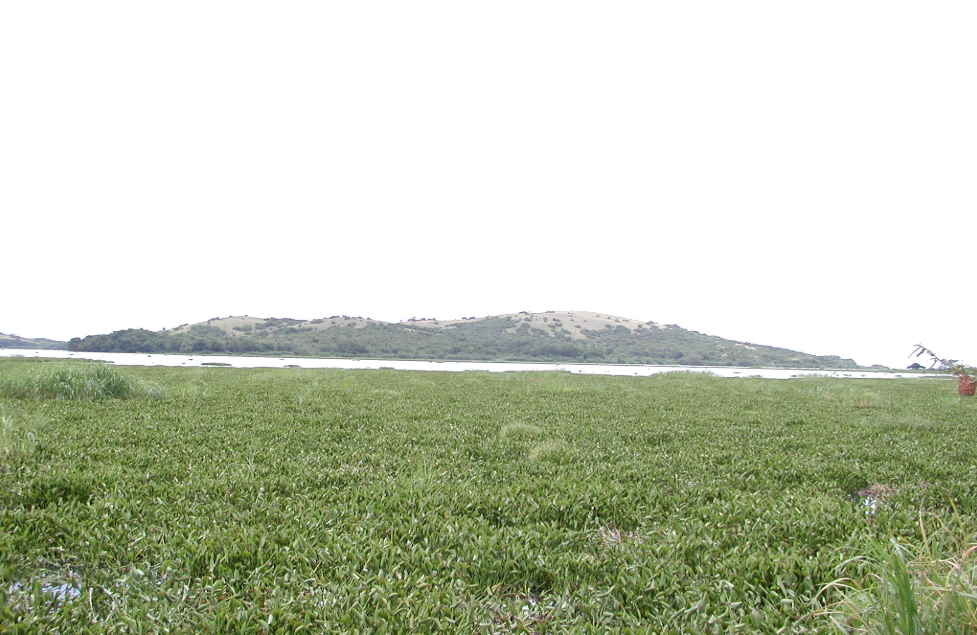
Spanning across three nations—Tanzania, Uganda, and Kenya—Lake Victoria is the largest lake in Africa by area and the world’s largest tropical lake. Unlike the deep rift valley formation of Baikal, Lake Victoria is relatively shallow, with an average depth of around 40 meters. Its immense surface area, however, makes it a critical lifeblood for the region. It is the source of the White Nile River and supports one of the largest freshwater fisheries in the world, providing a livelihood for millions of people. The introduction of the Nile perch in the 1950s led to a boom in the fishing industry but also caused an ecological catastrophe, driving hundreds of native cichlid fish species to extinction. Today, Lake Victoria faces significant challenges, including overfishing, pollution, and the spread of invasive water hyacinth, making it a focal point for international conservation efforts.
Lake Michigan: North America’s Urban Freshwater Sea
As one of the five Great Lakes of North America, Lake Michigan is the only one located entirely within the United States. Its shores are a study in contrasts, from the towering skyscrapers of Chicago and Milwaukee to the serene, windswept sand dunes of Sleeping Bear Dunes National Lakeshore. This juxtaposition of urban development and natural splendor highlights humanity’s complex relationship with these great bodies of water. Lake Michigan serves as a vital corridor for shipping and commerce, a source of drinking water for millions, and a premier destination for recreation, including boating, fishing, and swimming. Its existence underscores a profound human responsibility to protect these invaluable freshwater resources from industrial pollution, invasive species like the zebra mussel, and the impacts of climate change.

Alpine Jewels: High-Altitude Sanctuaries of Purity
High in the world’s mountain ranges lie lakes of extraordinary beauty, fed by glaciers and snowmelt. Their waters are often characterized by a striking turquoise or emerald hue, a result of suspended “rock flour”—fine-grained silt from glacial erosion. These alpine lakes are symbols of pristine wilderness and tranquility.
Sayram Lake: The Last Tear of the Atlantic
Located deep in the Tianshan Mountains of Xinjiang, China, Sayram Lake is a stunning alpine marvel. Its name, which means “blessing” in the Kazakh language, is fitting for a place of such serene beauty. Legend calls it “the last tear of the Atlantic Ocean,” a poetic reference to its location being the farthest point on the Eurasian continent from any ocean, yet sustained by the water vapor carried from afar. The lake’s deep blue, crystal-clear water is set against a backdrop of rolling green grasslands and snow-capped peaks. In late spring and early summer, the surrounding meadows burst into a vibrant carpet of wildflowers, attracting local Kazakh nomads who graze their herds here, creating a scene that feels untouched by time. The lake’s profound silence and expansive vistas offer a deeply restorative experience for visitors.
The Rocky Mountains’ Liquid Gems
The Rocky Mountain range, stretching across Canada and the United States, is home to some of the world’s most iconic and photographed lakes. These bodies of water, nestled in dramatic valleys carved by ancient glaciers, are renowned for their vivid colors and majestic settings.
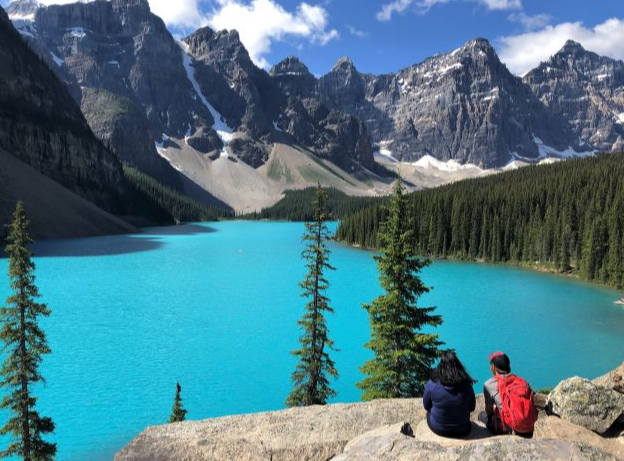
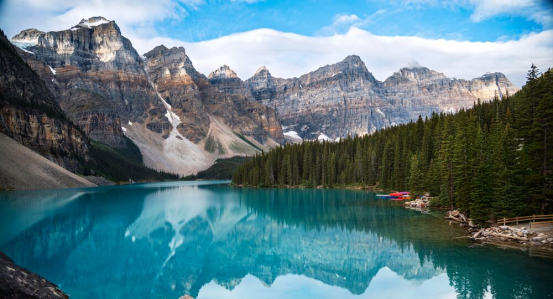
- Moraine Lake, Canada: Located in the Valley of the Ten Peaks in Banff National Park, Moraine Lake is famous for its breathtaking shade of turquoise-blue, which is most intense in late summer when glacial melt is at its peak.
- Lake Louise, Canada: Another jewel of Banff, Lake Louise is known for its emerald waters, the Victoria Glacier that feeds it, and the grand Fairmont Château Lake Louise hotel that sits on its shore.
- Emerald Lake, Canada: Situated in Yoho National Park, this lake lives up to its name with a brilliant green color, offering incredible opportunities for canoeing and hiking on the trail that encircles it.
These lakes are the centerpieces of a vast, protected wilderness, offering a symphony of nature and tranquility that draws millions of visitors seeking to connect with the raw beauty of the mountains.

Cultural Treasures: Lakes Woven into Human History
Some lakes are defined not just by their natural beauty but by their deep integration with human culture, art, and history. They become landscapes of the imagination, their shores and waters imbued with centuries of poetry, legend, and artistic expression. These are places where nature and civilization have achieved a unique and harmonious blend.
West Lake: A Man-Made Paradise in Hangzhou
West Lake in Hangzhou, China, is a masterpiece of landscape design and a UNESCO World Heritage Site that has influenced garden design across East Asia for centuries. Far more than a natural body of water, it is a cultural landscape, meticulously shaped by human hands over dynasties to create a perfect, idealized vision of beauty. Its scenery is punctuated by causeways, artificial islands, temples, pagodas, and pavilions that have become iconic. The lake has been a profound source of inspiration for famous poets, scholars, and artists throughout Chinese history. It is also the setting for enduring romantic legends, most notably the Legend of the White Snake, a tale of love between a human and a snake spirit. Visiting West Lake is to step into a living painting, where every view is carefully composed and every feature has a story. Sights like the “Dawn on the Su Causeway in Spring” and “Melting Snow at Broken Bridge” are not just locations but cultural concepts, celebrated for their specific seasonal beauty.

Ecological Havens and Their Delicate Balance
Lakes are complex ecosystems, teeming with life from microscopic plankton to large predators. The health of a lake is a direct reflection of the health of its surrounding environment. These “ecological havens” serve as vital laboratories for understanding biodiversity, evolution, and the impact of environmental change.
Green Lake: A Microcosm of Biodiversity
While “Green Lake” can refer to many locations, the concept it represents is a body of water with a thriving, balanced ecosystem. Such a lake is characterized by exceptional water clarity, which allows sunlight to penetrate deep, supporting a rich diversity of aquatic plants. These plants, in turn, provide food and shelter for a complex web of life, including insects, amphibians, fish, and birds. The health of a lake like this depends on the integrity of its entire watershed. Surrounding forests and wetlands act as natural filters, purifying runoff water and preventing excess nutrients and pollutants from entering the lake, which could otherwise lead to harmful algal blooms. A healthy lake is a dynamic system where phytoplankton and zooplankton form the base of the food web, supporting a vibrant and resilient community of organisms. These lakes serve as a powerful reminder of the fragility of freshwater ecosystems and the importance of conservation.
The Evolutionary Laboratories of Baikal and Victoria
The isolation and age of certain lakes have allowed them to become unique centers of evolution. Lake Baikal’s 25-million-year history has given life the time to evolve into a stunning array of endemic species, from the Nerpa seal to bizarre, transparent fish that live in its crushing depths. Similarly, Lake Victoria was once home to an incredible “species flock” of over 500 species of cichlid fish, which had evolved with dazzling speed from a common ancestor to fill every available ecological niche. This rapid evolution made the lake a textbook example of natural selection. Tragically, this diversity was decimated by the introduction of the Nile perch and pollution, demonstrating how quickly these unique evolutionary legacies can be erased by human actions.

A Traveler’s Guide to Experiencing These Watery Wonders
Visiting the world’s great lakes is an unforgettable experience. Proper planning can enhance the journey, while practicing responsible tourism helps preserve these treasures for future generations. Understanding the best times to visit and the key activities available is crucial for making the most of your trip.
Planning Your Visit: Best Seasons and Activities
The ideal time to visit a lake depends heavily on its location and the experience you seek.
- Lake Baikal: For the famous ice tourism, including driving on the frozen surface and seeing the transparent ice, visit between February and March. For hiking, boat tours, and exploring the shoreline, the summer months of June to August are best.
- Rocky Mountain Lakes: The prime season is from June to September when the roads are clear, the ice has melted, and the hiking trails are accessible. This is also when the lakes display their most vibrant colors.
- Sayram Lake: Visit from May to July to witness the spectacular bloom of wildflowers on the surrounding grasslands. Autumn offers golden landscapes and fewer crowds.
- West Lake: Spring (March-May) and autumn (September-November) offer the most pleasant weather for strolling the causeways and enjoying the scenery. These seasons help avoid the summer heat and winter chill.
Essential Activities for Lake Enthusiasts
Embracing the environment is key to a fulfilling lake visit. Consider a range of activities to fully appreciate the landscape.
- Water-Based Activities: Where permitted, canoeing, kayaking, and paddleboarding offer an intimate perspective of the water’s surface and shoreline. Boat tours can provide access to remote areas and offer expert commentary.
- Land-Based Exploration: Hiking the trails that encircle or overlook the lakes provides stunning panoramic views. Photography is a major draw, with the changing light of sunrise and sunset offering magical moments.
- Cultural Immersion: At lakes like West Lake or Sayram, engage with the local culture. Visit the historic temples and pavilions, or learn about the nomadic traditions of the Kazakh people.
Principles of Responsible Lake Tourism
Preserving the beauty and ecological health of these lakes is a shared responsibility.
- Leave No Trace: Pack out everything you pack in. Stay on designated trails to prevent erosion.
- Protect Water Quality: Avoid using soaps or detergents in the water. Be mindful of any fuel or oil from motorized boats.
- Respect Wildlife: Observe animals from a distance. Never feed wildlife, as it can harm their health and alter natural behaviors.
- Support Local Communities: Patronize local businesses and guides to ensure that tourism benefits the people who live in and care for these regions.
Frequently Asked Questions (FAQ)
- What makes the water in some alpine lakes so blue?
- The striking turquoise or emerald color of many glacial-fed lakes, like Lake Louise in the Rockies, is caused by “rock flour.” This is a fine-grained silt of rock particles generated by glacial erosion. When this silt is suspended in the water, it refracts sunlight in a way that absorbs most colors of the spectrum, reflecting primarily the blue and green wavelengths, which gives the water its vibrant hue.
- Why is Lake Baikal so important for scientific research?
- Lake Baikal is a natural laboratory for studying evolution, limnology (the study of inland waters), and climate history. Its extreme age and isolation have resulted in a unique ecosystem with thousands of endemic species. Furthermore, the sediment at the bottom of the lake is up to 7 kilometers (4.3 miles) deep and contains an uninterrupted record of climate change stretching back millions of years, providing invaluable data for scientists.
- What is the main threat to Lake Victoria’s ecosystem?
- Lake Victoria faces a combination of severe threats. A primary issue was the introduction of the invasive Nile perch, a large predator that wiped out hundreds of native cichlid species. Additionally, the lake suffers from widespread pollution from agriculture, industry, and sewage from surrounding populations. The proliferation of the invasive water hyacinth plant, which covers the surface and deoxygenates the water, also poses a major ecological and economic challenge.
- Is West Lake in China a natural or man-made lake?
- West Lake is a natural lagoon that has been extensively modified and enhanced by human activity for over a thousand years. While its origin is natural, its current appearance—with its famous causeways, islands, pagodas, and gardens—is the result of centuries of deliberate landscape artistry. It is best described as a cultural landscape, a near-perfect fusion of nature and human design, which is why it was recognized as a UNESCO World Heritage Site.