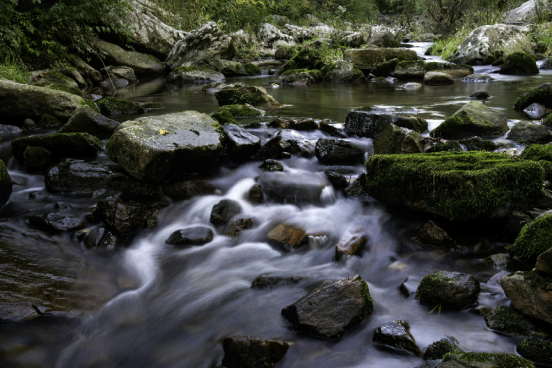
The Ecological Significance of Forest Streams and Waterfalls
Forest streams and waterfalls are not merely picturesque elements of a landscape; they are the lifelines of terrestrial ecosystems, profoundly influencing biodiversity, nutrient cycling, and water quality. Understanding “the why” behind their critical role reveals a complex web of ecological interactions that are indispensable for forest health and beyond. These waterways act as crucial corridors, connecting different parts of the forest and facilitating the movement of species and nutrients, while also creating unique microhabitats that support a specialized array of flora and fauna.
Biodiversity Hotspots: Nurturing Life
The constant flow of water in streams and the turbulent aeration at waterfalls create dynamic environments that are rich in oxygen and provide diverse substrates for life. These conditions support a wide range of aquatic organisms, from macroinvertebrates like stoneflies and caddisflies, which are vital indicators of water quality, to various species of fish, amphibians, and reptiles. The riparian zones—the interfaces between land and stream—are particularly biodiverse, offering critical habitat, food sources, and migratory pathways for terrestrial animals, including birds and mammals, making them true biodiversity hotspots within the larger forest ecosystem.
Hydrological Cycle and Water Quality: Nature’s Filtration System
Forest streams play a pivotal role in the global hydrological cycle, collecting precipitation, regulating water flow, and acting as natural filters. As water traverses through the forest floor and stream beds, it undergoes natural purification processes, removing sediments and pollutants before eventually reaching larger rivers, lakes, and oceans. The continuous movement of water also facilitates the transport of essential nutrients, distributing them throughout the ecosystem and enriching downstream areas. Waterfalls, by aerating the water, further enhance its quality by increasing dissolved oxygen levels, which is crucial for aquatic life. This intricate process underscores their function as the forest’s circulatory and purification system.
- Pro Tip: Identifying a Healthy Stream Ecosystem
- Observe the water clarity: Healthy streams typically have clear water, especially away from recent rainfall.
- Check for varied streambed: A mix of rocks, gravel, and sand provides diverse habitats.
- Look for diverse aquatic life: The presence of various insects (mayflies, caddisflies), small fish, and amphibians indicates a thriving ecosystem.
- Notice riparian vegetation: Lush, native plants along the banks help stabilize soil and filter runoff.

The Physics and Formation of Waterfalls: Nature’s Sculptors
Waterfalls, those majestic bursts of power, are not random occurrences but rather spectacular outcomes of geological processes and the relentless force of water. Understanding “the how” of their formation involves delving into geology, hydrology, and the physics of erosion. They are nature’s sculptors, carving out dramatic landscapes over millennia, revealing the underlying structure of the earth and the enduring power of flowing water. Their presence often indicates significant geological history and ongoing dynamic processes within the landscape.
Geological Processes and Erosion
The primary mechanism behind waterfall formation is differential erosion. This occurs when a river or stream flows over an area where layers of rock with varying resistance to erosion are present. Typically, a caprock of harder, more resistant rock (like granite or basalt) overlays softer, more easily eroded rock (such as shale or sandstone). As the water flows, it gradually wears away the softer rock underneath, creating an undercut. Over time, the unsupported hard caprock collapses, causing the waterfall to recede upstream and deepen the gorge. Fault lines, tectonic activity, and glacial erosion can also play significant roles in creating the initial gradient and exposing different rock layers necessary for waterfall development.
Types of Waterfalls and Their Characteristics
Waterfalls exhibit a wide array of forms, each shaped by unique geological conditions and water flow patterns. Recognizing these types helps us appreciate the intricate dance between water and land:
- Plunge Waterfall: Water descends vertically, losing contact with the bedrock surface. (e.g., Niagara Falls)
- Horsetail Waterfall: Water maintains some contact with the bedrock as it descends, often fanning out. (e.g., Bridalveil Fall in Yosemite)
- Cascade Waterfall: Water flows over a series of rock steps and uneven surfaces, creating a turbulent, frothy descent.
- Segmented Waterfall: The water flow divides into multiple distinct streams or segments as it descends. (e.g., Gullfoss in Iceland)
- Cataract: A large, powerful waterfall or a series of rapids. (often used for very large waterfalls)
- Fan Waterfall: The waterfall spreads out horizontally as it descends, resembling a fan.
- Technical Checklist: Factors Influencing Waterfall Formation
- Geology: Presence of differential rock resistance (harder caprock over softer rock).
- Gradient: A significant drop in elevation along the riverbed.
- Water Volume: Sufficient and consistent water flow to facilitate erosion.
- Climate: Weather patterns influencing water volume and freeze-thaw cycles that contribute to rock breakdown.
- Time: Geological time scales are required for these features to form and evolve.
- Tectonic Activity: Can create faults and uplift that expose different rock layers.

The Sensory Experience: Soundscapes and Visual Majesty
Beyond their ecological and geological importance, forest streams and waterfalls offer a profound sensory experience that captivates and soothes the human spirit. The “whispers of life” and “bursts of power” described in their very essence are not just metaphors but tangible auditory and visual phenomena that connect us deeply with the natural world. This section explores how these waterways engage our senses, creating immersive environments that are both invigorating and calming.
Auditory Tapestry: The Symphony of Water
The sounds of water are among the most universally recognized and calming elements in nature. From the gentle gurgle of a shallow stream meandering over pebbles to the rhythmic splash of a small cascade, and finally, to the thunderous roar of a powerful waterfall, these auditory experiences form a rich tapestry. The science behind this involves the interaction of water with various surfaces, creating different frequencies and amplitudes. Gentle trickles often produce higher frequencies, perceived as soothing, while large waterfalls generate lower, powerful frequencies that can be felt as much as heard. These natural soundscapes have been shown to reduce stress, improve focus, and promote relaxation, a testament to their profound psychological impact.
Visual Dynamics: Light, Mist, and Movement
Visually, forest streams and waterfalls are a dynamic spectacle. The constant movement of water, whether a smooth flow or a turbulent rush, creates ever-changing patterns of light and shadow. Sunlight glinting off the water’s surface, particularly through a forest canopy, produces mesmerizing displays. Waterfalls, in particular, generate mist, which can refract sunlight to create breathtaking rainbows, especially during certain times of day. The sheer volume and force of water cascading downwards evoke a sense of raw power and majesty, while the delicate spray can cool the air and nourish surrounding vegetation, adding to the visual richness of the scene. The contrast between the vibrant green of moss-covered rocks and the pristine white of aerated water further enhances their visual appeal.
| Feature | Gentle Stream Sensory Experience | Powerful Waterfall Sensory Experience |
|---|---|---|
| Sound | Soft gurgles, rhythmic trickles, gentle rustling. | Thundering roar, deep rumble, continuous hiss of mist. |
| Sight | Clear, shallow water; dappled sunlight; slow, meandering flow. | Massive cascades; rising mist; rainbows; sheer, vertical drop. |
| Feel | Cool, refreshing air; calm, serene atmosphere. | Cool, damp spray; vibrations in the ground; invigorating energy. |
| Emotion | Peaceful, tranquil, meditative, soothing. | Awe-inspiring, powerful, exhilarating, humbling. |

Human Interaction: Recreation, Culture, and Conservation Imperatives
For centuries, humans have been drawn to the beauty and power of forest streams and waterfalls, seeking solace, adventure, and inspiration. Our interaction with these natural wonders spans recreation, cultural significance, and, increasingly, a critical imperative for conservation. Understanding “the why” behind our fascination and “the how” of responsible engagement is key to ensuring these invaluable features endure for future generations.
Responsible Exploration and Recreation
Forest streams and waterfalls are popular destinations for a multitude of recreational activities. Hiking trails often follow their courses, offering scenic views and refreshing encounters. Photography enthusiasts are captivated by their dynamic beauty, attempting to capture their essence. Swimming in natural pools, picnicking by the banks, and simply sitting in quiet contemplation are common ways people connect with these environments. However, these activities come with a responsibility. Adhering to “Leave No Trace” principles—packing out all trash, staying on marked trails, respecting wildlife, and minimizing impact on vegetation—is crucial. Safety is also paramount; slippery rocks, strong currents, and sudden drops near waterfalls demand caution and awareness to prevent accidents.
Cultural Significance and Inspiration
Beyond recreation, streams and waterfalls hold deep cultural and spiritual significance across various civilizations. In many indigenous cultures, they are considered sacred places, embodying spirits or deities, and are central to myths, rituals, and ceremonies. They have inspired countless artists, poets, and musicians, serving as symbols of purity, power, renewal, and the relentless flow of time. Their presence in folklore and literature reflects humanity’s enduring fascination and reverence for these dynamic features of the natural world, highlighting their role not just as physical entities but as powerful cultural touchstones.
Expert Advice: Mindful Interaction with Forest Waterways
- Plan Ahead and Prepare: Research the area, weather conditions, and potential hazards. Carry appropriate gear, water, and first-aid.
- Travel on Durable Surfaces: Stick to marked trails and established paths to minimize erosion and protect delicate vegetation.
- Dispose of Waste Properly: Pack out everything you pack in, including food scraps and human waste.
- Leave What You Find: Do not disturb natural elements, historical artifacts, or wildlife.
- Minimize Campfire Impacts: Use established fire rings or portable stoves. Ensure fires are completely out before leaving.
- Respect Wildlife: Observe animals from a distance. Never feed them.
- Be Considerate of Other Visitors: Keep noise levels down and allow others to enjoy the tranquility.
Challenges and Conservation: Protecting Our Watery Gems
Despite their apparent resilience, forest streams and waterfalls face numerous threats in the modern era, primarily stemming from human activities and the pervasive impacts of climate change. Protecting these vital watery gems is not merely an aesthetic concern but an ecological imperative, crucial for maintaining biodiversity, water resources, and the overall health of forest ecosystems. Understanding “the why” behind these challenges and “the how” of effective conservation strategies is essential for their preservation.
Climate Change Impacts: Altered Flow Regimes
Climate change poses a significant threat to forest streams and waterfalls by altering precipitation patterns and increasing extreme weather events. Prolonged droughts can reduce water flow, diminishing the vitality of streams and even causing smaller waterfalls to dry up, leading to habitat loss for aquatic species. Conversely, more intense rainfall events can trigger flash floods, causing severe erosion, scouring stream beds, and damaging riparian vegetation. Changes in snowpack accumulation and melt rates, particularly in mountainous regions, also disrupt the seasonal flow patterns that many ecosystems depend on, impacting everything from fish spawning cycles to nutrient transport.
Pollution and Habitat Degradation
Pollution from various sources continues to degrade the quality of forest waterways. Agricultural runoff carrying pesticides and fertilizers, industrial discharges, and urban stormwater runoff introduce harmful chemicals and excess nutrients into streams, leading to eutrophication and oxygen depletion. Deforestation and unsustainable logging practices can increase sedimentation, smothering aquatic habitats and altering stream morphology. Human encroachment, including illegal waste dumping and the construction of dams and diversions, fragments habitats, obstructs natural flow, and disrupts the delicate balance of these ecosystems, leading to a decline in species diversity and overall ecological health.
Global Conservation Efforts: Local to International Action
Addressing these threats requires a multi-faceted approach involving local communities, national governments, and international organizations. Conservation efforts often include establishing protected areas, implementing strict regulations on pollution and land use, and restoring degraded habitats through reforestation and streambank stabilization projects. Education and public awareness campaigns are vital for fostering a sense of stewardship and encouraging responsible recreation. Furthermore, scientific research helps monitor ecosystem health and inform adaptive management strategies to mitigate the impacts of climate change. Community-led initiatives, such as stream clean-ups and citizen science programs, empower individuals to actively participate in the protection of their local waterways, demonstrating that collective action is key to safeguarding these invaluable natural treasures.
Frequently Asked Questions (FAQ)
- How do streams and waterfalls contribute to forest health?
- Forest streams and waterfalls are crucial for forest health by acting as primary water sources, sustaining diverse aquatic and riparian ecosystems, and facilitating nutrient cycling. They purify water, regulate soil moisture, and create unique microclimates that support a wide array of flora and fauna, making them essential for biodiversity and overall ecosystem resilience.
- What are the different types of waterfalls and how do they form?
- Waterfalls are primarily formed by differential erosion, where a river flows over resistant rock layers overlying softer, more easily eroded rock. Common types include Plunge waterfalls (water drops vertically, losing contact with rock), Horsetail waterfalls (water maintains contact with the rock), Cascade waterfalls (water flows over a series of steps), Segmented waterfalls (water divides into multiple streams), and Fan waterfalls (water spreads out horizontally as it descends).
- Is it safe to drink water directly from a forest stream?
- Generally, it is NOT safe to drink water directly from a forest stream without proper treatment. Even in seemingly pristine environments, water can contain harmful bacteria, viruses, parasites (like Giardia or Cryptosporidium), and chemical pollutants. Always filter, boil, or chemically treat stream water before consumption to prevent waterborne illnesses.
- How can visitors help protect forest streams and waterfalls?
- Visitors can protect these natural features by following “Leave No Trace” principles: staying on marked trails, packing out all trash (including organic waste), refraining from disturbing plants or wildlife, never introducing foreign substances into the water, and minimizing noise. Supporting conservation organizations and educating others about responsible visitation also helps.
- What impact does climate change have on these water features?
- Climate change significantly impacts forest streams and waterfalls by altering hydrological cycles. Increased frequency of droughts can reduce water flow, causing streams to shrink or dry up, while more intense rainfall can lead to severe flash floods and erosion. Changes in snowpack and glacial melt also disrupt seasonal water availability, affecting aquatic habitats and the overall stability of these ecosystems.
Related Posts
Nature Reading Map
A quick orientation to the main forest, mountain, water, landform, and garden sections on Whispering Woods Nature Guide.
The Ultimate Guide to Wetland & Swamp Ecosystems: Earth’s Vital Filters
An in-depth exploration of wetland and swamp ecosystems, detailing their critical role in biodiversity, water purification, and climate resilience. This…
The Ultimate Guide to Earth’s Forest Ecosystems: From Ancient Legends to the Amazon
Embark on an exhaustive journey through the world's most magnificent forest ecosystems. From the unparalleled biodiversity of the Amazon rainforest…