The Grandeur of Earth’s Forest Ecosystems
Forests are the lifeblood of our planet, serving as complex, multi-layered ecosystems that sustain a staggering majority of Earth’s terrestrial biodiversity. From the ancient, fossilized remnants of the world’s first woodlands to the sprawling, vibrant canopies of the modern Amazon, these natural structures perform irreplaceable functions. They regulate global climates, purify the air we breathe, and offer a sanctuary for millions of species. Understanding the intricate dynamics of these forests requires a deep dive into their varied forms, seasonal rhythms, and historical evolution.
This comprehensive pillar page synthesizes the profound narratives of global forest ecosystems. We will explore the majestic Amazon Rainforest, renowned as the lungs of the Earth, and decode the fascinating dialogue between the dry and rainy seasons that governs tropical life. Furthermore, we will journey back in time to uncover the secrets of the world’s oldest forests, tracing their legacy through space and time, before traversing the natural wonders of North America’s diverse and expansive great forests. Every ecosystem tells a unique story of adaptation, resilience, and ecological brilliance.
The Interconnected Web of Global Woodlands
While geographically isolated, the world’s forests are ecologically interconnected. The transpiration from tropical rainforests influences precipitation patterns thousands of miles away, while the carbon sequestration performed by boreal and temperate forests stabilizes the global atmosphere. Recognizing this interconnectedness is vital for grasping the true scale of what these natural wonders accomplish daily.
- Carbon Sequestration: Forests act as massive carbon sinks, absorbing billions of metric tons of carbon dioxide annually, which mitigates the greenhouse effect.
- Hydrological Regulation: Through canopy interception and root absorption, forests dictate local and global water cycles, preventing soil erosion and regulating river flows.
- Biodiversity Hotspots: Forests harbor complex food webs, providing habitat, sustenance, and breeding grounds for countless endemic species.
These core mechanisms highlight why the preservation and deep understanding of forest biomes are not merely academic pursuits, but essential imperatives for the survival of life on Earth.

The Amazon Rainforest: Exploring the Lungs of the Earth
Spanning over 6.7 million square kilometers across nine South American nations, the Amazon Rainforest is a biological titan. Often colloquially referred to as the “Lungs of the Earth,” this immense expanse of vibrant green is a critical organ in the planet’s ecological anatomy. It is responsible for producing approximately 20% of the world’s oxygen, driven by the ceaseless photosynthetic activity of its estimated 390 billion individual trees. The sheer scale of the Amazon makes it a foundational pillar of global environmental stability.
However, the metaphor of the “lungs” only scratches the surface of the Amazon’s true function. Beyond oxygen production, it is a master regulator of atmospheric carbon. The massive trunks, expansive root systems, and nutrient-rich soils of the Amazon store an estimated 90 to 140 billion metric tons of carbon. If released, this carbon would drastically accelerate global climate change, making the intact preservation of this rainforest a global emergency.
A Microcosm of Unparalleled Life
The Amazon is not a monolithic entity; it is a highly stratified environment where every inch of vertical space is utilized. The competition for sunlight and nutrients has driven evolutionary marvels, resulting in a dense, multi-tiered structure that maximizes life-sustaining efficiency.
Understanding the architecture of the Amazon is crucial to appreciating its ecological density. The forest is divided into distinct layers, each hosting its own unique microclimate and specialized inhabitants.

Unmatched Biodiversity within the Amazonian Canopy
The biological richness of the Amazon is staggering, housing approximately 10% of all known species on Earth. This biodiversity is meticulously distributed across the forest’s vertical layers. The Emergent Layer features towering giants that punch through the canopy, reaching heights of up to 200 feet. These trees endure intense sunlight and high winds, hosting resilient species such as the harpy eagle and various morpho butterflies.
Below the emergents lies the Canopy Layer, a dense, continuous roof of foliage that captures about 80% of the sunlight. This layer is the biological heart of the Amazon, a bustling metropolis of life where toucans, howler monkeys, sloths, and countless arboreal amphibians thrive. The canopy acts as an umbrella, significantly altering the climate for the layers below.
The Understory and Forest Floor Dynamics
Beneath the canopy is the Understory, a realm characterized by low light, high humidity, and stillness. Plants here have evolved massive leaves to capture the scarce rays of sunlight that penetrate the canopy. It is the domain of stealthy predators like the jaguar and an array of perfectly camouflaged insects.
- Nutrient Cycling on the Forest Floor: Despite the lushness above, the Amazonian soil is notoriously nutrient-poor. The secret to the forest’s vitality lies in the rapid decomposition on the forest floor. Fungi, termites, and microorganisms break down fallen leaves and organic matter almost instantly, allowing shallow root systems to rapidly reabsorb the nutrients.
- Symbiotic Relationships: Mycorrhizal fungi form vast underground networks, directly connecting with tree roots to facilitate the rapid transfer of essential minerals, a breathtaking example of evolutionary cooperation.
This rapid nutrient cycling ensures that the ecosystem remains self-sustaining, despite the seemingly inhospitable nature of the underlying soil.

The Hydrological Cycle and Climate Regulation of the Amazon
The Amazon Rainforest operates its own localized weather system, a phenomenal process driven by evapotranspiration. Trees draw moisture from the soil and release it into the atmosphere through their leaves. A single large canopy tree can release hundreds of gallons of water into the air each day. When multiplied by billions of trees, this creates immense atmospheric rivers—currents of moisture in the sky that carry more water than the Amazon River itself.
These “flying rivers” are crucial for continental rainfall. They flow southward, bringing essential precipitation to the agricultural heartlands of South America. Without the Amazon’s active pumping mechanism, vast regions of the continent would face severe desertification and agricultural collapse.
Global Weather Feedback Loops
The impact of the Amazon’s hydrological cycle extends far beyond South America. By regulating heat and moisture, the rainforest influences oceanic currents and atmospheric circulation patterns worldwide. The dense canopy absorbs solar radiation, preventing the rapid heating of the Earth’s surface, while the constant cloud cover generated by evapotranspiration reflects sunlight back into space, creating a cooling effect known as the albedo effect.

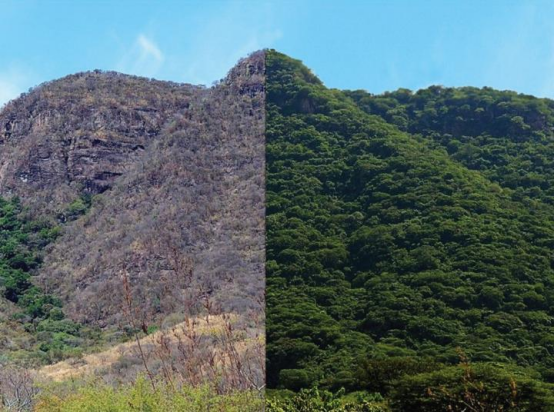
The Tropical Rainforest’s Dual Nature: Dry and Rainy Seasons
Contrary to the popular image of a perpetually drenched jungle, tropical rainforest ecosystems are defined by a rhythmic, wonderful dialogue of nature: the alternating dry and rainy seasons. This cyclical shift is primarily driven by the movement of the Intertropical Convergence Zone (ITCZ), a belt of low pressure near the equator where the trade winds of the Northern and Southern Hemispheres meet.
The seasonal transition dictates the behavioral, reproductive, and survival strategies of every organism within the biome. It is a time of dramatic transformation, where the forest floor can transition from a dry, leaf-littered expanse to a deeply flooded aquatic wonderland within a matter of weeks.
Understanding the Seasonal Shift
The onset of the rainy season brings torrential downpours that replenish rivers, swell floodplains, and trigger a massive explosion of biological activity. Conversely, the dry season, while receiving less rainfall, is not entirely devoid of moisture. Instead, it is a period of strategic water conservation and ecological stress testing, where only the most adaptable species thrive.
| Phase | Hydrological Impact | Flora Adaptation | Fauna Behavior |
|---|---|---|---|
| Rainy Season | Rivers overflow, creating vast flooded forests (Várzea/Igapó). | Rapid growth, widespread fruiting, nutrient absorption. | Aquatic expansion, fish migration into forests, arboreal retreat. |
| Dry Season | Water levels drop dramatically, isolated pools form. | Deciduous leaf drop (in some species), deep root water tapping. | Concentration around water sources, intense predation, terrestrial foraging. |
This table illustrates the profound dichotomy of the tropical year. The dynamic tension between these two seasons fosters a resilient and highly specialized biological community.

Ecological Flourishing During the Tropical Rainy Season
When the rainy season arrives, the tropical rainforest undergoes a miraculous metamorphosis. River levels can rise by up to 40 feet, spilling over their banks and creating flooded forests known in the Amazon as Igapó (blackwater flooded forests) and Várzea (whitewater flooded forests). This inundation merges the terrestrial and aquatic worlds, creating a unique, temporary ecosystem.
During this period of ecological flourishing, the forest becomes a nursery. The abundance of water dissolves nutrients from the forest floor, creating a rich, organic soup that fuels aquatic food webs. Trees synchronize their fruiting with the floods, dropping seeds directly into the water where they are dispersed by specialized fruit-eating fish, such as the tambaqui.
The Aquatic-Terrestrial Convergence
The flooding dramatically alters animal behavior. Terrestrial mammals and insects are forced upward into the canopy, increasing the density of life in the trees. Meanwhile, aquatic predators like the pink river dolphin and the giant otter navigate through the submerged trunks of towering trees, hunting in spaces that were dry land just months prior.
- Seed Dispersal by Fish: Ichthyochory, or seed dispersal by fish, is a critical ecological mechanism during the rainy season. Fish consume fallen fruits, digest the fleshy pulp, and excrete the intact seeds miles away, ensuring the genetic diversity and expansion of tree species.
- Am
Related Posts

The Ultimate Guide to Stargazing in the Forest
Escaping the glow of city lights to witness the true majesty of the night sky is a profound experience. This…
The Ultimate Guide to Wetland & Swamp Ecosystems: Earth’s Vital Filters
An in-depth exploration of wetland and swamp ecosystems, detailing their critical role in biodiversity, water purification, and climate resilience. This…
East Asian Forest Heritage: Exploring China’s Four Great Forests and Japan’s Cherry Blossom Culture
Embark on a comprehensive journey through the most significant forest ecosystems of East Asia. This guide explores China's four legendary…