The Geological Foundations of the Sahara
The Sahara is far more than a vast expanse of shifting dunes. Its geological history is a complex tapestry woven from ancient volcanic activity and tectonic shifts that have shaped the North African landscape over millions of years. Understanding the “black heart” of the desert—its volcanic regions—is essential to grasping how this arid environment maintains its unique ecological equilibrium.
Volcanic Influence on Aridity
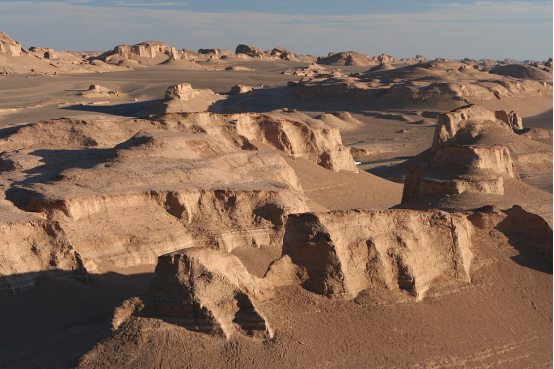
Volcanic massifs, such as the Tibesti and Hoggar mountains, act as the structural anchors of the Sahara. These formations are not merely geological landmarks; they influence regional atmospheric pressure and trap moisture, creating localized microclimates that contrast sharply with the surrounding hyper-arid plains.
- Thermal Regulation: High-altitude volcanic plateaus absorb solar radiation differently than sandy basins, influencing wind patterns.
- Mineral Deposition: Volcanic soils in these regions are rich in nutrients, allowing for rare, hardy flora to thrive in isolated pockets.

Hydraulic Miracles: The Hidden Aquifers
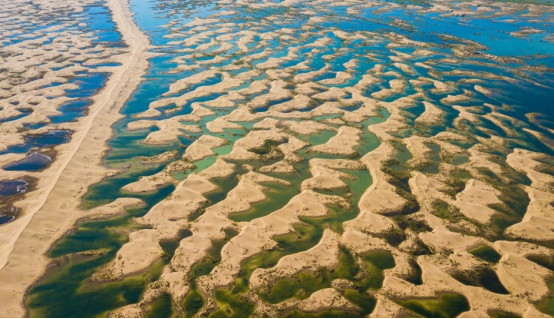
Beneath the scorching surface of the Sahara lies a vast, hidden world of fossil water. These massive aquifers, remnants of a wetter climatic era known as the “Green Sahara,” represent a critical geological resource. The interaction between surface heat and deep-seated groundwater creates the “water miracle” that sustains life in the wilderness.
The Nubian Sandstone Aquifer System
This is one of the world’s largest known fossil water reserves. The water contained within these porous sandstone layers has been trapped for millennia, protected from the evaporative forces that dominate the surface.
| Feature | Description |
|---|---|
| Depth | Extending hundreds of meters below the surface. |
| Age | Water dates back to the Pleistocene epoch. |
| Significance | Provides the only reliable water source for deep-desert oases. |

Climate Change and the Sahara’s Weather Patterns
The Sahara is currently witnessing “weird” weather phenomena that defy historical norms. Scientists are increasingly investigating whether anthropogenic climate change is accelerating the desert’s transformation, leading to more frequent, intense sandstorms and erratic rainfall in fringe regions.
The Feedback Loop of Desertification
As the Sahara expands, the albedo—the reflectivity of the earth’s surface—changes. Increased desertification reduces vegetation, which in turn leads to higher surface temperatures and further moisture loss, creating a self-perpetuating cycle of heating.
- Sandstorm Frequency: Changes in the Atlantic Multidecadal Oscillation are being exacerbated by rising global temperatures.
- Precipitation Shifts: While some central areas remain bone-dry, the Sahelian border is experiencing extreme, unpredictable rain events that cause flash flooding.

The Scale and Majesty of the World’s Largest Desert
Spanning over 9 million square kilometers, the Sahara is roughly the size of the United States. Walking through it is a transformative, often shocking experience that forces a confrontation with the raw power of nature. From the Erg Chebbi dunes to the desolate Hamada plateaus, the landscape is a testament to the Earth’s enduring geological evolution.
Frequently Asked Questions (FAQ)
- Q1: Is the Sahara Desert expanding?
- Yes, climate change and unsustainable land-use practices are causing the Sahara to expand southward into the Sahel region, a process known as desertification.
- Q2: Where does the Sahara’s water come from?
- Most of the water in the Sahara comes from massive underground aquifers, specifically the Nubian Sandstone Aquifer System, which holds fossil water from thousands of years ago.
- Q3: How does volcanic geology affect the desert?
- Volcanic massifs act as geological anchors that influence wind patterns, trap moisture in high-altitude areas, and provide mineral-rich soil that supports rare desert biodiversity.
- Q4: Why is the Sahara’s weather considered “weird” recently?
- Increased volatility in tropical weather systems and shifts in global climate patterns are causing erratic sandstorms and intense, localized rain events that were historically uncommon.