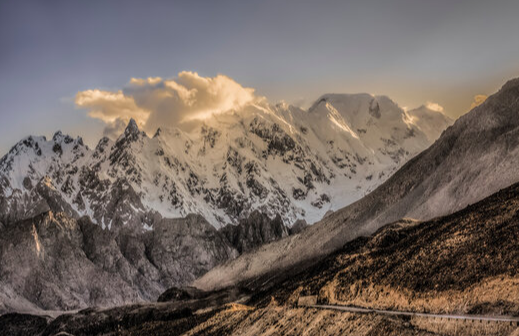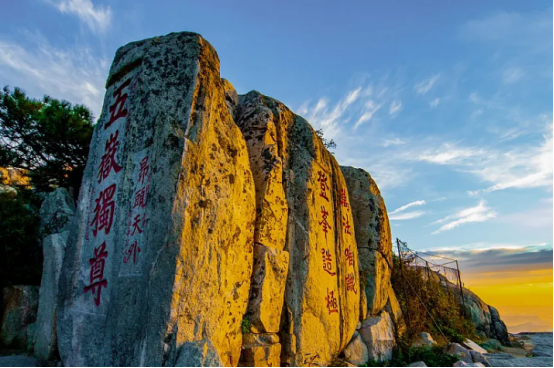
Mountains have long stood as the silent sentinels of our planet, serving as both physical barriers and spiritual bridges. From the tectonic upheavals that formed the Andes to the sacred circumambulations of the Himalayas, these high-altitude landscapes dictate the climate, culture, and consciousness of the civilizations that dwell in their shadows. This guide serves as a pillar of knowledge for those seeking to understand the multifaceted nature of the world’s great ranges, combining geographical data with the lived experience of the trail.
The Spiritual Essence of Global Mountain Pilgrimages
For millennia, humans have not merely climbed mountains for sport; they have ascended them as an act of devotion. The concept of a pilgrimage—a journey of footsteps and soul—is central to the human relationship with the “Asia Summits” and the sacred peaks of the East. These journeys are often characterized by a transition from the mundane world of the valleys to the ethereal realm of the clouds, where the “mountain gods” are said to reside.
The Philosophy of the Five Mountains
In various Eastern traditions, the “Five Mountains” represent a cosmic order. Walking these paths is considered a way to harmonize the internal self with the external universe. This is not a journey of speed, but one of mindfulness. Every step taken on the steep stone stairs is a meditative act, intended to strip away the ego. The physical exhaustion serves a purpose: it breaks down the body’s resistance, allowing for a profound spiritual clarity that is rarely found in the lowlands.
The Asia Summit and the Language of the Gods
In the high reaches of the Asian continent, mountains are viewed as living deities. Practitioners often engage in “talking to the mountain gods” through prayer flags, incense offerings, and silent meditation. The thin air and isolation of these summits provide a unique environment for introspection. Here, the silence is not an absence of sound, but a presence of something much deeper—a resonance that connects the pilgrim to the ancient history of the earth itself.
- Ritual Circumambulation: The practice of walking around a peak, such as Mount Kailash, to earn spiritual merit.
- Sacred Offerings: The use of juniper smoke and barley flour (tsampa) to appease local spirits.
- Physical Penance: The belief that the difficulty of the terrain is proportional to the spiritual reward.

The Andes: Navigating the Backbone of South America
The Andes represent the longest continental mountain range in the world, stretching over 7,000 kilometers along the western edge of South America. Known as the “Backbone of South America,” this range is a geological marvel formed by the subduction of the Nazca plate beneath the South American plate. It is a land of extremes, featuring high-altitude deserts, tropical rainforests, and glacial peaks all within a single geographical system.
Human Adaptation in the High Andes
Living in the Andes requires a unique biological and cultural adaptation. Indigenous communities have thrived here for thousands of years, developing complex agricultural systems such as terrace farming to manage the steep terrain. The “coastal mountains” aspect of the Andes means that in places like Peru and Chile, one can travel from sea level to over 4,000 meters in a matter of hours. This rapid change in altitude presents significant challenges for human physiology, leading to the development of unique lung capacities and blood chemistry among high-altitude dwellers.
Crossing the Andes: Historical and Modern Perspectives
Crossing the Andes has always been a feat of endurance. Historically, the Inca Road system (Qhapaq Ñan) facilitated communication and trade across this rugged landscape. Today, modern infrastructure struggles to maintain pace with the shifting earth and extreme weather. For the traveler, crossing the Andes is an education in resilience. The “world’s highest coastal mountains” offer a landscape where the Pacific Ocean’s influence meets the permanent ice of the summits, creating microclimates that support an incredible diversity of life.
| Feature | Andean Highlands | Coastal Andes |
|---|---|---|
| Primary Climate | Alpine Tundra / Arid | Mediterranean to Desert |
| Average Elevation | 4,000m+ | 0m – 2,500m |
| Key Flora | Ichu Grass, Polylepis trees | Cacti, Scrub brush |
| Human Activity | Mining, Camelid herding | Fishing, Urban centers |

The Roof of Europe: Majesty of the Alps and Mont Blanc
The Alps are perhaps the most culturally significant mountain range in the Western world. Stretching across eight countries, they form a crescent-shaped barrier that has defined European history and climate. At the heart of this range lies Mont Blanc, the “Heartbeat of the Alps,” a peak that represents the pinnacle of European mountaineering and the dream of every high-altitude enthusiast.
Mont Blanc: More Than Just a Mountain
Mont Blanc is not merely a geological formation; it is a symbol of human ambition. Since its first ascent in 1786, it has been the focal point of the “Golden Age of Alpinism.” The mountain acts as a natural laboratory for glaciology and climate science. For hikers, the Tour du Mont Blanc (TMB) is one of the world’s most famous long-distance treks, circumnavigating the massif and passing through France, Italy, and Switzerland. The experience is a blend of physical challenge and cultural immersion, with high-altitude refuges offering local cheeses and wines to weary travelers.
From the Alps to Olympus: The European High Points
While the Alps dominate the north, the mountains of the south, such as Mount Olympus in Greece, offer a different kind of “Roof of Europe.” Olympus is steeped in mythology, once believed to be the home of the Twelve Olympian Gods. The transition from the limestone crags of Greece to the granite spires of the Alps showcases the geological diversity of the continent. These mountains serve as the “water towers” of Europe, feeding the great rivers like the Rhine, Rhone, and Po, which sustain the populations below.

Sacred Summits: Mount Gongga and the Himalayan Legacy
In the eastern reaches of the Tibetan Plateau lies Mount Gongga, known as the “Snow King.” As the highest peak in Sichuan province, it is a mountain of immense power and religious significance. The Himalayas, which extend from this region westward, have shaped not just the geography of Asia, but the very foundations of Tibetan civilization and faith.
Mount Gongga: The Snow King of the West
Mount Gongga (Minya Konka) is notorious among mountaineers for its difficulty and low success rate, but for the local pilgrims, it is a site of deep devotion. The pilgrimage around Gongga is a grueling journey through high passes and deep valleys. The mountain is often shrouded in clouds, and catching a glimpse of its sharp, pyramid-like peak is considered a sign of great fortune. The ecology here is fragile, with glaciers retreating at an alarming rate, threatening the water security of the millions who live downstream.
How the Himalayas Shaped Tibetan Civilization
The Himalayas acted as a protective wall, allowing Tibetan civilization to develop a unique culture centered around Vajrayana Buddhism. The “Snow Mountains” are not seen as obstacles, but as protectors. The faith of the Tibetan people is inextricably linked to the landscape; every pass is marked by a cairn (la-tse), and every river is seen as a source of life. The mountains dictated the nomadic lifestyle, the architecture of the monasteries, and the very concept of “Shambhala”—a hidden kingdom of peace located deep within the peaks.

North American Frontiers: The Rockies and the Gunflint Trail
North America offers a different mountain experience, characterized by vast wilderness and a sense of rugged exploration. The Rocky Mountains, stretching from Canada to New Mexico, provide a sanctuary for those seeking “meditation under the stars” and a reconnection with the natural world. Further east, the ancient landscapes of the Gunflint Trail offer a more intimate mountain experience.
Meditating Under the Stars in the Rockies
The Rockies are famous for their dark sky preserves, where the lack of light pollution allows for unparalleled views of the cosmos. For many, the Rockies are a place of spiritual retreat. The “spirituality and serenity” found in high-altitude meadows or beside alpine lakes like those in Banff or Glacier National Park facilitate a deep sense of peace. Meditation in these environments is often focused on the “interconnectedness of all things,” as the vastness of the landscape puts human concerns into perspective.
The Lima Mountain Hike: From Gunflint Trail to Cliff Top
For those seeking a specific operational guide, the Lima Mountain hike along the Gunflint Trail in Minnesota is a prime example of accessible mountain beauty. While not as high as the Rockies, the “Cliff Top” views offer a panoramic look at the Boundary Waters Canoe Area Wilderness.
Operational Steps for the Lima Mountain Hike:
- Access: Drive up the Gunflint Trail (County Road 12) to the Lima Mountain Road.
- The Ascent: The trail is a steady climb through boreal forest, featuring balsam fir and paper birch.
- The Summit: The reward is a 360-degree view from the old fire tower site, looking out over the vast network of lakes and forests.
- Safety: Always carry a map and be aware of black bear activity in the area.

The Human Connection: Why We Walk the Mountains
Ultimately, the story of mountains is the story of the “mountains we walked.” Whether it is a pilgrimage in Asia, a technical climb in the Alps, or a meditative hike in the Rockies, the act of walking in high places changes a person. It is a physical manifestation of the internal struggle to overcome challenges and reach a higher state of being.
The Psychology of the Ascent
Psychologically, mountain environments trigger a state of “awe.” This emotion has been shown to decrease stress, increase prosocial behavior, and expand one’s sense of time. When we stand on a summit, the trivialities of daily life seem small. This “overview effect,” usually reserved for astronauts, is available to anyone willing to put in the effort to climb. The mountains remind us of our own fragility and the immense power of the natural world, fostering a sense of stewardship and respect for the environment.
The Legacy of the Trail
The trails we walk today are often the same paths used by our ancestors. By walking them, we participate in a continuous human history. From the ancient pilgrimage routes of the Five Mountains to the modern thru-hikes of the Andes, the trail is a thread that connects us to the past and the future. It is a reminder that while the mountains are eternal, our time among them is brief and precious.
Frequently Asked Questions (FAQ)
- Q1: What is the best way to prevent altitude sickness when crossing the Andes?
- The most effective method is gradual acclimatization. Spend at least 2-3 days at a moderate altitude (around 2,500m) before ascending higher. Hydration is critical, and many locals recommend drinking coca tea (mate de coca) to help alleviate mild symptoms. If symptoms like severe headache or nausea persist, the only definitive cure is to descend to a lower altitude immediately.
- Q2: Why is Mont Blanc considered the “Heartbeat of the Alps”?
- Mont Blanc is considered the heartbeat because it is the highest peak in the range and serves as a central hub for mountaineering culture, history, and environmental research. Its glaciers are vital indicators of the health of the entire Alpine ecosystem, and its summit remains the ultimate goal for climbers across Europe.
- Q3: How does the “Asia Summit” pilgrimage differ from Western hiking?
- Western hiking often focuses on the physical achievement, speed, or the “conquering” of a peak. In contrast, the Asia Summit pilgrimage is inherently spiritual. The focus is on the journey itself, the accumulation of merit through ritual, and a humble submission to the mountain’s power rather than a mastery over it.
- Q4: What makes the Lima Mountain hike on the Gunflint Trail unique?
- The Lima Mountain hike is unique because it provides a “mountain experience” in a region characterized by lakes and flatlands. It offers one of the highest vantage points in Minnesota, providing a rare topographical perspective on the ancient glacial landscapes of the Boundary Waters.
- Q5: Can meditation in the Rocky Mountains actually improve mental health?
- Yes, numerous studies on “forest bathing” and high-altitude exposure suggest that these environments lower cortisol levels and improve mood. The combination of physical exercise, fresh air, and the psychological impact of “awe” makes the Rockies an ideal environment for therapeutic meditation and stress recovery.