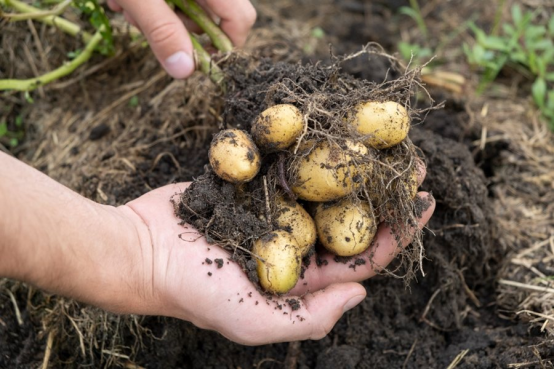
The Fundamentals of Potato Preparation: Cutting and Sprouting
Cultivating a massive harvest of potatoes begins long before the seeds ever touch the soil. The initial stages of preparation, specifically cutting and sprouting (also known as chitting), set the foundational trajectory for your crop’s yield potential and overall vigor.
The Science Behind Chitting (Sprouting)
Chitting is the process of encouraging seed potatoes to sprout prior to planting. By exposing the seed potatoes to cool, brightly lit environments, gardeners stimulate the dormant eyes to produce thick, sturdy, and dark green shoots. The underlying principle here is time optimization. In regions with shorter growing seasons, chitting provides a biological head start, effectively reducing the time it takes for the plant to emerge from the soil and begin photosynthesis.
Strategic Cutting for Maximum Yield
While planting whole seed potatoes is an option, cutting them is a highly strategic practice used by commercial farmers and expert gardeners to multiply their yield. The goal is to divide the potato so that each piece weighs approximately two ounces and contains at least two healthy eyes.
Once cut, it is critical to allow the pieces to cure for three to five days in a well-ventilated, humid environment at room temperature. This curing process forms a protective suberin layer over the exposed flesh, acting as a biological shield against soil-borne pathogens and preventing rot once planted.

Soil Preparation and the Art of Hilling
Potatoes are heavy feeders that require a loose, well-aerated environment to expand. Compacted soil restricts tuber growth and leads to deformed, undersized potatoes. Therefore, meticulous soil preparation and the strategic practice of hilling are non-negotiable for a premium harvest.
Designing the Perfect Soil Profile
The ideal soil for potatoes is a slightly acidic, sandy loam with a pH ranging between 5.8 and 6.5. This specific pH range is crucial because it naturally suppresses common potato scab, a bacterial disease that thrives in alkaline soils. Incorporating rich organic matter, such as well-rotted compost or aged manure, improves soil structure and provides
Related Posts
Ultimate Guide to Growing Cucumbers: Planting Times, Top Varieties & Care
Embark on a comprehensive journey into cucumber cultivation, mastering optimal planting times for both Northern and Southern US regions. This…
The Ultimate Guide to Watering Tomatoes: A Scientific Approach
Master the art of watering tomatoes with our scientific, stage-by-stage guide. Learn to prevent common issues like blossom end rot…
Ultimate Guide to Growing Straight, Sweet & Crisp Carrots
Unlock the secrets to a perfect carrot harvest. This guide details the essential techniques for soil preparation, thinning, and care…