Growing your own tomatoes is one of gardening’s most rewarding endeavors, offering unparalleled flavor and freshness that store-bought varieties simply cannot match. However, achieving a successful and abundant harvest requires more than just planting a seed; it demands a nuanced understanding of tomato varieties, precise timing for planting, and diligent care throughout the growing season. This comprehensive guide serves as your definitive resource, distilling expert knowledge to help you navigate the complexities of tomato cultivation. We will delve into the critical factors for selecting the ideal tomato types suited to your climate and culinary preferences, provide detailed insights into optimal planting schedules tailored to various regions, and outline essential care strategies that will empower your plants to flourish and yield their best.
Understanding Tomato Varieties: A Foundation for Success
The vast world of tomatoes offers an astonishing array of choices, each with unique characteristics that influence growth, yield, and flavor. Making informed decisions about which varieties to plant is the critical first step towards a successful harvest. This section breaks down the fundamental distinctions among tomato types, equipping you with the knowledge to select varieties that align with your gardening space, climate, and desired culinary uses.
Determinate vs. Indeterminate: Growth Habits Explained
One of the most crucial distinctions in tomato varieties lies in their growth habit, categorized primarily as determinate or indeterminate. Understanding these differences is essential for proper garden planning, staking, and overall plant management, directly impacting both yield and the harvest period.
- Determinate Tomatoes: Often called “bush” tomatoes, these varieties grow to a predetermined size, typically reaching 3-4 feet in height. They produce the majority of their fruit at once, usually within a 2-3 week period, making them ideal for canning or sauce-making when a large batch of ripe tomatoes is desired. Determinate varieties require less staking or caging compared to indeterminates, making them suitable for smaller gardens or container growing. Their growth terminates with a flower cluster, meaning they stop growing taller once fruit sets.
- Indeterminate Tomatoes: These are “vining” tomatoes that continue to grow, flower, and produce fruit throughout the entire growing season until frost kills the plant. They can reach heights of 6 feet or more and require robust staking, caging, or trellising to support their continuous growth and heavy fruit load. Indeterminate varieties offer a steady supply of fresh tomatoes over several months, perfect for daily harvesting and fresh eating.
Heirloom vs. Hybrid: Flavor, Disease Resistance, and Yield
Another significant consideration when choosing tomato varieties is whether to opt for heirlooms or hybrids. Each category presents distinct advantages and disadvantages concerning flavor, resilience, and predictability, influencing your gardening experience and the quality of your harvest.
- Heirloom Tomatoes: These are open-pollinated varieties that have been passed down through generations, often prized for their exceptional, complex flavors, unique colors, and diverse shapes. Heirloom seeds breed true, meaning the plants grown from their seeds will produce fruit identical to the parent plant. While their flavor is often superior, heirlooms can be more susceptible to diseases and may have lower, less consistent yields compared to hybrids. They thrive best in stable environments and often require more attentive care.
- Hybrid Tomatoes: Developed through controlled cross-pollination of two different parent plants, hybrid varieties are bred for specific desirable traits such as improved disease resistance, higher yields, uniform fruit size, and extended shelf life. F1 hybrids, as they are often labeled, do not breed true from seed, meaning saving seeds from a hybrid plant will not guarantee the same characteristics in subsequent generations. While some argue hybrids may lack the nuanced flavor of heirlooms, their reliability, vigor, and resilience make them a popular choice for many gardeners seeking consistent results and robust plants.
To further illustrate the differences, consider this comparison:
| Feature | Heirloom Tomatoes | Hybrid Tomatoes |
|---|---|---|
| Seed Type | Open-pollinated, breeds true | Cross-pollinated (F1), does not breed true |
| Flavor | Often complex, varied, exceptional | Good, consistent, sometimes less nuanced |
| Disease Resistance | Generally lower, more susceptible | Often bred for high resistance |
| Yield | Can be lower, less consistent | Generally higher, more predictable |
| Appearance | Diverse shapes, sizes, colors | More uniform fruit size and shape |
| Purpose | Gourmet eating, preserving genetic diversity | Commercial farming, home gardening for reliability |
Key Factors When Selecting Your Tomato Varieties
Beyond growth habit and seed type, several other practical considerations will guide your choice of tomato varieties. Tailoring your selection to these factors ensures that your plants have the best chance to thrive and meet your specific gardening goals.
- Climate Suitability: Different tomato varieties are better suited to specific climates. Some thrive in hot, humid conditions, while others prefer cooler temperatures or have shorter growing seasons. Research varieties known to perform well in your local climate zone. For instance, varieties like ‘Heatwave II’ are developed for high heat tolerance, whereas ‘Early Girl’ excels in regions with shorter summers.
- Space Availability (Container vs. Garden): Your available gardening space heavily influences your choices. Determinate varieties and dwarf indeterminate types are excellent for containers or small raised beds due to their compact growth. Indeterminate varieties, with their extensive vining habit, require ample space and robust support structures in larger garden plots.
- Intended Use (Slicing, Sauce, Cherry, Drying): Consider how you plan to use your tomatoes. Large, meaty varieties like ‘Beefsteak’ or ‘Brandywine’ are perfect for slicing. Paste tomatoes such as ‘Roma’ or ‘Amish Paste’ have fewer seeds and less water content, making them ideal for sauces, canning, and drying. Cherry and grape tomatoes like ‘Sungold’ or ‘Sweet Million’ are excellent for snacking and salads.
- Disease Resistance: Many hybrid varieties are bred with resistance to common tomato diseases like Fusarium Wilt, Verticillium Wilt, and Nematodes. If you’ve experienced disease issues in your garden previously, choosing resistant varieties (often indicated by letters like “VFFN” on seed packets) can significantly improve your chances of a healthy crop.

Top High-Yield Tomato Varieties for Abundant Harvests
For many gardeners, a primary goal is to maximize their harvest, ensuring a continuous supply of fresh tomatoes for eating, cooking, and preserving. While all tomatoes yield fruit, some varieties are specifically celebrated for their prolific production and robust growth. This section highlights top-performing varieties across different categories, known for their ability to deliver abundant harvests, making your gardening efforts truly worthwhile.
Best for Slicing and Fresh Eating
Slicing tomatoes are the quintessential summer delight, perfect for sandwiches, salads, and fresh consumption. These varieties are typically large, juicy, and offer a balanced flavor profile, making them a staple in any garden focused on fresh produce. Their substantial size means fewer tomatoes are needed to create a satisfying meal.
- Big Beef (Hybrid, Indeterminate): A true garden workhorse, ‘Big Beef’ lives up to its name by producing large, meaty, globe-shaped fruits weighing 10-12 ounces. Renowned for its excellent flavor and disease resistance, it offers a consistent, heavy yield throughout the season. Its vigorous vines require strong support.
- Celebrity (Hybrid, Determinate): An award-winning favorite, ‘Celebrity’ is a versatile and highly reliable determinate variety. It produces medium to large (8-10 ounce) blemish-free fruits with good flavor and excellent disease resistance. Its bush habit makes it suitable for various garden sizes, and its concentrated fruit set is great for processing.
- Early Girl (Hybrid, Indeterminate): Living up to its “early” moniker, ‘Early Girl’ is prized for maturing quickly, often within 50-60 days from transplant. It produces medium-sized, flavorful red fruits consistently throughout the season, even under less-than-ideal conditions. A great choice for gardeners in cooler climates or those seeking an early harvest.
Ideal for Sauces and Canning
When your goal is to preserve the taste of summer for colder months, specific tomato varieties are engineered for superior sauce and canning performance. These paste tomatoes typically have lower water content, thicker walls, and fewer seeds, resulting in richer, more concentrated sauces and pastes with less cooking time.
- Roma (Hybrid, Determinate): The classic paste tomato, ‘Roma’ is widely popular for its prolific yield of firm, plum-shaped fruits. Its dense flesh and low seed count make it perfect for sauces, pastes, and drying. ‘Roma’ plants are determinate, producing a concentrated harvest that is ideal for large-batch processing.
- Amish Paste (Heirloom, Indeterminate): A highly regarded heirloom paste tomato, ‘Amish Paste’ produces large (8-12 ounce), oxheart-shaped fruits with exceptional rich flavor and meaty texture. While indeterminate, its yields are substantial, making it a favorite for gourmet sauces and salsas. Its robust flavor translates beautifully into cooked dishes.
- San Marzano (Heirloom, Indeterminate): Hailing from Italy, authentic ‘San Marzano’ tomatoes are considered the gold standard for authentic Italian sauces. These elongated, plum-shaped fruits have a sweet flavor, low acidity, and thick walls, making them perfect for canning and sauces. They are typically indeterminate and require strong support.
Sweet and Snackable Cherry/Grape Tomatoes
For quick snacks, salads, or garnishes, cherry and grape tomatoes are indispensable. These small, bite-sized fruits are bursting with sweetness and are often the first to ripen, providing a delightful treat throughout the growing season. Their prolific nature ensures a constant supply.
- Sungold (Hybrid, Indeterminate): Consistently ranked among the best-tasting cherry tomatoes, ‘Sungold’ produces an abundance of incredibly sweet, golden-orange fruits. Its indeterminate vines are highly productive, yielding clusters of irresistible tomatoes from early summer until frost. They are perfect for snacking right off the vine.
- Sweet Million (Hybrid, Indeterminate): True to its name, ‘Sweet Million’ is an incredibly prolific cherry tomato, producing hundreds of small, sweet, bright red fruits in long clusters. This indeterminate variety offers excellent disease resistance and a continuous harvest, making it a reliable choice for a steady supply of sweet treats.
- Black Cherry (Heirloom, Indeterminate): For those seeking a unique flavor experience, ‘Black Cherry’ offers rich, complex, and slightly smoky notes in a bite-sized package. These dark, mahogany-colored cherry tomatoes are highly productive on indeterminate vines, adding a gourmet touch to salads and platters.

Mastering Tomato Planting Times for Optimal Growth
Timing is paramount in gardening, and nowhere is this more critical than with tomatoes. Planting at the right moment ensures that your seedlings establish strong root systems, avoid the shock of late frosts, and capitalize on the best growing conditions. Misjudging the planting window can lead to stunted growth, reduced yields, or even plant death. This section will guide you through the essential principles of timing your tomato planting, from understanding frost dates to preparing your seedlings for their outdoor transition.
The Golden Rule: After the Last Frost
The single most important rule for planting tomatoes outdoors is to wait until all danger of frost has passed. Tomatoes are extremely sensitive to cold temperatures, and even a light frost can severely damage or kill young plants. Beyond air temperature, soil temperature is a crucial, often overlooked, factor for successful establishment.
- Soil and Air Temperature Importance: Tomatoes thrive when both air and soil temperatures are consistently warm. The ideal soil temperature for transplanting tomato seedlings is at least 60°F (15.5°C), preferably closer to 65-70°F (18-21°C). Cold soil can shock roots, inhibit nutrient uptake, and slow growth significantly. Air temperatures should consistently remain above 50°F (10°C) at night, with daytime temperatures ideally in the 70s and 80s°F (21-30°C).
- Understanding “Last Frost Date”: The “last frost date” is an average date for your region, indicating when the probability of a freeze drops to an acceptable level (e.g., 10%). While a useful guideline, it’s crucial to remember it’s an average. Always consult local weather forecasts and observe actual conditions. Many experienced gardeners recommend waiting an additional 1-2 weeks past the average last frost date to ensure consistently warm conditions for their heat-loving tomatoes. Resources like the National Oceanic and Atmospheric Administration (NOAA) or local agricultural extension offices can provide specific last frost data for your area.
Starting Seeds Indoors vs. Buying Transplants
Gardeners have two primary options for obtaining tomato plants: starting them from seed indoors or purchasing young transplants from a nursery. Both methods have their advantages and disadvantages, catering to different levels of experience and time commitment.
- Benefits of Each Method:
- Starting Seeds Indoors: Offers the widest selection of varieties, including many unique heirlooms and specialty hybrids not typically found in nurseries. It’s often more cost-effective for growing many plants and provides the satisfaction of nurturing plants from their very beginning. Seeds should be started 6-8 weeks before your anticipated outdoor planting date.
- Buying Transplants: Convenient for beginners or those with limited space and time. You can choose healthy, established plants that are ready to go into the ground, saving the effort of germination and early care. However, variety selection may be limited to common types.
- Steps for Starting Seeds Indoors:
- Select Quality Seeds: Purchase fresh seeds from reputable suppliers.
- Prepare Growing Medium: Use a sterile seed-starting mix in trays or small pots.
- Planting: Sow seeds about ¼ inch deep, keeping them moist and warm (75-80°F / 24-27°C) using a heating mat if necessary.
- Lighting: Once sprouted, provide strong light for 14-16 hours daily using grow lights to prevent legginess.
- Watering & Fertilizing: Keep soil consistently moist but not waterlogged. Begin feeding with a diluted liquid fertilizer once true leaves appear.
- Potting Up: Transplant seedlings into larger pots (e.g., 4-inch) once they develop 2-3 sets of true leaves.
- Tips for Selecting Healthy Transplants:
- Look for Stocky Plants: Choose plants that are short, sturdy, and dark green, not tall and spindly.
- Check for Flowers/Fruit: Avoid plants already bearing flowers or fruit, as this indicates they are stressed and will struggle to establish in the garden.
- Inspect Leaves: Ensure leaves are free from spots, yellowing, or insect damage.
- Examine Roots: Gently slide the plant out of its pot. Roots should be white and fibrous, not brown, mushy, or heavily circling the pot (root-bound).
Hardening Off: Preparing Seedlings for the Outdoors
Whether you’ve grown your tomatoes from seed or purchased them, they need a gradual transition from their protected environment to the harsher outdoor conditions. This process, known as “hardening off,” is crucial for preventing transplant shock and ensuring vigorous growth once planted in the garden.
- Detailed Explanation of the Process: Hardening off involves slowly acclimating plants to direct sunlight, wind, cooler temperatures, and reduced watering. This toughens their cell walls and prepares them for the rigors of the garden.
- Start Gradually: Begin 7-10 days before your target planting date. On the first day, place plants outdoors in a sheltered, shaded spot for 1-2 hours.
- Increase Exposure: Each day, gradually increase the time outdoors and the exposure to sunlight. Move them to partial shade, then morning sun, eventually to full sun.
- Reduce Water: While hardening off, slightly reduce watering frequency, allowing the soil surface to dry out between waterings. Do not let plants wilt excessively.
- Monitor Temperatures: Bring plants indoors if temperatures are expected to drop below 50°F (10°C), especially during the initial stages.
- Wind Protection: Shield plants from strong winds initially, gradually exposing them to gentle breezes.
- Importance: Skipping or rushing the hardening-off process can lead to sunburned leaves, stunted growth, or even death of the plants. Well-hardened plants are more resilient, establish faster, and begin producing fruit sooner than those subjected to sudden environmental changes.

Regional Tomato Planting Schedules Across the US
The vast geographical diversity of the United States means that a “one-size-fits-all” approach to tomato planting simply won’t work. Climate zones, average last frost dates, and seasonal weather patterns vary dramatically from one region to another, necessitating tailored planting schedules. Understanding your specific region’s typical conditions is paramount to optimizing your tomato planting time and ensuring a successful harvest. This section provides generalized planting windows for major US regions, alongside key considerations unique to each area.
Northern Climates (Zones 3-6)
Regions spanning the northern US, including the upper Midwest, Northeast, and mountainous areas, typically experience shorter growing seasons and colder springs. Patience is a virtue here, as planting too early almost guarantees failure.
- General Planting Window: Late May to early June, after the danger of the last frost has definitively passed and soil temperatures have warmed. This is often 1-2 weeks after the average last frost date, which can range from late April to mid-May.
- Considerations:
- Short Season Varieties: Prioritize “early” or “determinate” varieties that mature quickly.
- Season Extension: Consider using row covers, cloches, or planting in raised beds (which warm faster) to get a head start.
- Warm Soil: Black plastic mulch can significantly warm soil temperatures before planting.
Southern Climates (Zones 7-10)
The Southern US, encompassing the Southeast, Gulf Coast, and parts of the Southwest, often enjoys longer growing seasons but must contend with intense summer heat and humidity. This can sometimes lead to a “double season” approach.
- General Planting Window:
- Spring Crop: March to early April, after the last frost, allowing plants to establish before extreme summer heat.
- Fall Crop: Late July to August, for a second harvest after the peak summer heat subsides, targeting maturity before the first fall frost.
- Considerations:
- Heat Stress: Tomatoes can struggle to set fruit when daytime temperatures consistently exceed 90°F (32°C) and nighttime temperatures stay above 75°F (24°C). Provide afternoon shade if possible.
- Disease Pressure: High humidity increases susceptibility to fungal diseases. Choose disease-resistant varieties.
- Mulching: Essential for retaining soil moisture and keeping roots cool during hot summers.
Midwest and Mountain Regions (Zones 4-7)
The Midwest experiences distinct four seasons with often unpredictable spring weather, while mountain regions have unique microclimates and shorter, cooler summers. Both require careful attention to local conditions.
- General Planting Window: Mid-May to early June, typically 1-2 weeks after the average last frost, which can vary widely from late April to late May.
- Considerations:
- Variable Springs: Be prepared for sudden cold snaps even after the last frost date. Have protective covers ready.
- Hail and Storms: Strong storms can damage young plants. Provide sturdy staking or caging early.
- Altitude: Higher altitudes mean cooler temperatures and shorter growing seasons. Select appropriate varieties.
Pacific Northwest and Coastal Areas (Zones 8-9)
These regions often have mild winters but can experience cooler, wetter springs and summers with less intense heat than inland areas, particularly along the coast. This affects variety selection and heat accumulation.
- General Planting Window: Late April to late May, once soil has warmed and consistent mild temperatures prevail. Coastal areas might wait slightly longer for more consistent warmth.
- Considerations:
- Cooler Summers: Choose varieties that perform well in cooler temperatures or have shorter days to maturity. ‘Stupice’ or ‘Oregon Spring’ are good examples.
- Blossom Drop: Lack of sufficient heat can lead to blossom drop. Ensure good air circulation.
- Fungal Diseases: Damp conditions can encourage blight. Select resistant varieties and ensure good spacing.
For a quick reference, here’s a generalized table of planting times:
| Region | USDA Hardiness Zones | Average Planting Window | Key Considerations |
|---|---|---|---|
| Northern US | 3-6 | Late May – Early June | Short season, late frost, cold soil. |
| Southern US | 7-10 | March – Early April (Spring); Late July – August (Fall) | Intense summer heat, humidity, possible double season. |
| Midwest & Mountain | 4-7 | Mid-May – Early June | Variable spring weather, storms, altitude effects. |
| Pacific Northwest & Coastal | 8-9 | Late April – Late May | Cooler summers, damp conditions, less intense heat. |

Essential Care and Maintenance for Thriving Tomato Plants
Once your tomato plants are successfully transplanted and established, the journey doesn’t end there. Consistent and thoughtful care throughout their growth cycle is paramount to ensuring robust health, maximizing fruit production, and mitigating common problems. From providing the right nutrients to managing water and offering physical support, proactive maintenance is the backbone of a truly bountiful tomato harvest. This section details the critical care practices that will keep your tomato plants thriving from seedling to senescence.
Soil Preparation and Nutrients
Tomatoes are heavy feeders and perform best in rich, well-draining soil with a slightly acidic to neutral pH (6.0-6.8). Proper soil preparation before planting and ongoing nutrient management throughout the season are vital for vigorous growth and abundant fruiting.
- Ideal Soil Composition: Amend your garden soil with plenty of organic matter, such as compost or well-rotted manure, prior to planting. This improves soil structure, drainage, and water retention, while also providing a slow release of nutrients. Avoid compacting the soil.
- Fertilization Strategy:
- Initial Feeding: Incorporate a balanced, slow-release granular fertilizer into the planting hole, or use a starter solution high in phosphorus when transplanting to encourage root development.
- Ongoing Feeding: Once plants begin to set fruit, switch to a fertilizer higher in potassium to support fruit development. Avoid excessive nitrogen, which promotes lush foliage at the expense of fruit. Organic options like fish emulsion, kelp meal, or compost tea can provide a steady supply of nutrients.
Watering Techniques for Deep Root Growth
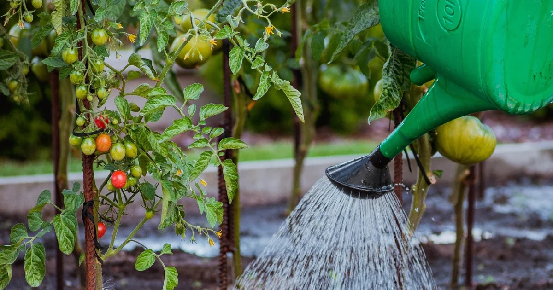
Consistent and deep watering is critical for tomato plants, especially once fruit begins to form. Inconsistent watering can lead to common problems like blossom end rot and fruit cracking. Proper technique encourages deep root development, making plants more resilient to dry spells.