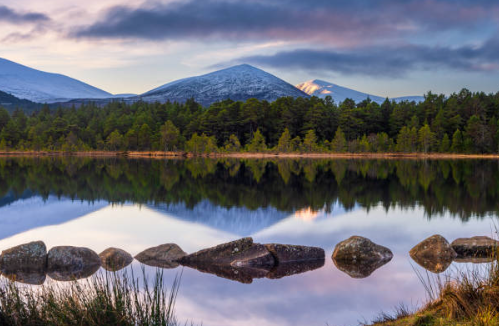
The Scottish Highlands represent a frontier of unparalleled natural beauty, where ancient landscapes tell tales of geological grandeur, historical conflict, and enduring myths. This region, characterized by its vast lochs, towering munros, and sprawling glens, offers an immersive experience into the heart of Scotland’s wild soul. Our journey through this magnificent terrain will focus on three quintessential destinations: the ecologically rich Cairngorms National Park, the legendary waters of Loch Ness, and the breathtaking, historically resonant valley of Glencoe. Each location presents its own unique tapestry of experiences, from diverse wildlife encounters and challenging outdoor pursuits to serene boat trips and profound historical reflections. Understanding the intricate details of these areas is key to fully appreciating their significance and planning an unforgettable adventure.
Cairngorms National Park: A Sanctuary of Scottish Wildlife
The Cairngorms National Park, the largest national park in the United Kingdom, is a vital stronghold for a quarter of Scotland’s threatened species and a landscape of extraordinary ecological significance. Spanning over 4,500 square kilometers, this immense wilderness encompasses a diverse array of habitats, including ancient Caledonian pine forests, vast heather moorlands, pristine rivers, shimmering lochs, and the highest mountain plateau in Britain. Its designation as a national park underscores its importance not only for conservation but also for sustainable recreation and cultural heritage. The park’s rugged beauty is a testament to millennia of geological processes and ecological evolution, making it a critical area for understanding biodiversity in a temperate climate.
The Ancient Caledonian Forest and Unique Flora
Central to the Cairngorms’ ecological identity is the remnants of the ancient Caledonian pine forest, a unique ecosystem that once covered much of Scotland. These forests are dominated by Scots pine (Pinus sylvestris), a native species that can live for hundreds of years, forming gnarled, atmospheric woodlands. Unlike commercial plantations, these ancient forests feature a diverse understory and deadwood, providing crucial habitats for countless species. Beyond the pines, the park’s flora adapts to varying altitudes and conditions, creating a rich botanical tapestry.
- Scots Pine: The iconic tree of the Caledonian Forest, providing shelter and food for specialized wildlife.
- Juniper: A hardy shrub often found in open woodlands and moorlands, its berries are a food source for birds.
- Heather and Bilberry: Dominant on the moorlands, these plants support a range of insects and ground-nesting birds.
- Alpine Plants: On the highest plateaus, rare species like the Arctic-alpine lady’s mantle and snow pearlwort thrive in harsh conditions, showcasing remarkable adaptation.
The health of these botanical communities is a direct indicator of the park’s overall ecological well-being, with ongoing efforts focused on expanding and restoring native woodland areas to enhance biodiversity.
Iconic Fauna: A Haven for Rare Species
The Cairngorms is renowned for its population of rare and endangered species, offering unparalleled opportunities for wildlife enthusiasts. The varied habitats support a complex food web, from majestic birds of prey to elusive mammals. Observing these animals in their natural environment provides a profound connection to the wild heart of Scotland.
- Red Deer and Roe Deer: These majestic deer species are commonly sighted across the park, particularly in open moorland and forest edges. Red deer are Britain’s largest land mammal, while roe deer are smaller and more solitary.
- Red Squirrel: A native Scottish species, easily identified by its distinctive red fur and tufted ears, often seen in the pine forests. Conservation efforts protect them from the invasive grey squirrel.
- Capercaillie: The largest member of the grouse family, this magnificent bird is critically endangered in the UK, found exclusively in the ancient pine forests of the Cairngorms.
- Golden Eagle and Osprey: Apex predators, the golden eagle soars above the mountains, while the osprey, a fish-eating raptor, can be spotted around the park’s lochs and rivers during warmer months.
- Scottish Wildcat: An incredibly rare and elusive feline, often referred to as the “Highland Tiger,” the Cairngorms is one of its last remaining strongholds. Conservation breeding programs are vital for its survival.
The intricate balance of predator and prey, coupled with strict conservation policies, allows these populations to persist, although many face ongoing threats from habitat loss and climate change.
Conservation Efforts and Sustainable Tourism
Protecting the unique ecosystem of the Cairngorms is a multifaceted endeavor, balancing conservation with the economic and social benefits of tourism. The park authority, alongside various environmental organizations, implements rigorous strategies to safeguard its natural heritage while providing enriching experiences for visitors.
- Rewilding Projects: Initiatives like the Cairngorms Connect partnership aim to restore natural processes, including expanding the Caledonian Forest and reintroducing lost species.
- Visitor Management: Strategies are in place to manage footfall, protect sensitive habitats, and educate visitors on responsible tourism practices, such as “Leave No Trace” principles.
- Species Monitoring: Ongoing research and monitoring programs track populations of key species, informing conservation decisions and identifying areas requiring intervention.
Visitors are encouraged to engage with the park respectfully, supporting local businesses that adhere to sustainable practices and contributing to the long-term health of this irreplaceable natural asset.

Loch Ness: Myths, Majesty, and Must-Do Routes
Loch Ness, a name synonymous with mystery and majestic Scottish scenery, is one of the country’s most iconic natural landmarks. This vast, deep freshwater loch in the Scottish Highlands is not only a geological marvel, holding more water than all the lakes in England and Wales combined, but also the legendary home of the Loch Ness Monster, affectionately known as “Nessie.” The loch’s profound depth and dark, peaty waters contribute to its enigmatic allure, drawing millions of visitors annually who come to soak in its beauty and perhaps catch a glimpse of its elusive inhabitant. Beyond the myth, Loch Ness offers a wealth of touring opportunities, from scenic drives and invigorating walks to captivating boat trips that explore its impressive expanse.
The Enduring Legend of Nessie and its Cultural Impact
The legend of the Loch Ness Monster dates back to ancient Pictish stones depicting a mysterious beast, with the first written account appearing in the 6th-century biography of Saint Columba. However, modern fascination truly began in 1933 with a series of alleged sightings and photographs, propelling Nessie into global stardom. This enduring myth has had a profound cultural and economic impact on the region.
- Historical Sightings: While many sightings have been debunked, a few remain unexplained, fueling public imagination. The most famous is the “surgeon’s photograph” from 1934, later revealed as a hoax.
- Scientific Expeditions: Numerous sonar scans and underwater explorations have been conducted over the decades, employing advanced technology in the quest to find evidence of Nessie, though none have yielded conclusive proof.
- Tourism Magnet: The legend has transformed Loch Ness into a major tourist destination, supporting a vibrant industry of boat tours, visitor centers, and souvenir shops, all centered around the mystery.
Whether one believes in Nessie or not, the legend adds an undeniable layer of intrigue to the natural beauty of the loch, making it a unique destination.
Touring Options: Walking, Driving, and Boat Routes
Exploring Loch Ness can be tailored to various preferences and levels of activity, offering panoramic views and intimate encounters with the landscape. Each method provides a distinct perspective on the loch’s grandeur and its surrounding environment.
Walking Routes for Every Adventurer
For those who prefer to explore on foot, Loch Ness is integrated into the longer Great Glen Way, offering diverse segments suitable for day hikes or multi-day treks. These paths provide stunning vistas and a chance to experience the serene Highland landscape up close.
- Great Glen Way Sections: Popular segments include the 13-mile stretch from Fort Augustus to Invermoriston, offering woodland paths and elevated views of the loch. Another excellent option is the path from Drumnadrochit to Urquhart Castle, combining historical sites with natural beauty.
- Loch Ness 360° Trail: A more ambitious 80-mile circular route around the entire loch, suitable for experienced hikers and mountain bikers, offering unparalleled views from all angles.
Proper footwear and preparation are essential for these routes, as weather conditions can change rapidly.
Scenic Driving Routes Around the Loch
Driving offers the flexibility to stop at numerous viewpoints and attractions around the loch. The main roads provide easy access to key sites, while smaller routes offer a more intimate experience.
- A82 West Side: The most popular route, running along the western shore, offering iconic views of Urquhart Castle and easy access to Drumnadrochit. This road can be busy, especially in peak season.
- B862 and B852 East Side: A quieter, more winding route along the eastern shore, providing different perspectives and access to charming villages like Foyers, known for its picturesque waterfall, and Dores, with its lovely beach.
Driving the full loop of the loch (approximately 70 miles) can take a full day with stops, offering a comprehensive overview of its varied scenery.
Captivating Boat Routes and Monster Hunting Tours
To truly appreciate the scale and depth of Loch Ness, a boat trip is indispensable. Various operators offer different experiences, from high-speed adventures to more leisurely cruises, often equipped with sonar to search for Nessie.
- Cruise Options: Companies like Jacobite Cruises and Loch Ness by Jacobite offer regular departures from Inverness and Clansman Harbour, providing comfortable vessels with commentary and often underwater sonar displays.
- RIB (Rigid Inflatable Boat) Tours: For a more exhilarating experience, Nessie Hunter and other operators offer faster, open-air tours, allowing for closer interaction with the loch’s waters and a sense of adventure.
- Urquhart Castle Access: Many boat tours include a stop at Urquhart Castle, allowing visitors to combine a loch exploration with a historical site visit.
These boat trips not only offer a chance to “hunt” for Nessie but also provide stunning views of the surrounding mountains and the sheer size of the loch itself.
Key Attractions Around the Loch
Beyond the monster legend, Loch Ness is fringed with historical sites and visitor centers that enrich any visit.
- Urquhart Castle: Perched dramatically on the loch’s edge, this historic ruin offers a glimpse into over 500 years of Scottish history, from medieval times to the Jacobite Risings. Its strategic location provides superb photographic opportunities.
- Loch Ness Centre & Exhibition: Located in Drumnadrochit, this award-winning center offers an immersive experience into the scientific and historical aspects of the Loch Ness Monster phenomenon, presenting evidence and theories in an engaging manner.
- Falls of Foyers: A spectacular waterfall on the eastern side of the loch, cascading 60 meters into a gorge, offering a beautiful natural detour.
These attractions provide context and depth to the natural beauty of Loch Ness, making it a destination rich in both myth and tangible history.

Glencoe: Scotland’s Most Dramatic Valley
Glencoe, often hailed as Scotland’s most spectacular valley, is a landscape of unparalleled drama and raw beauty. Carved by ancient glaciers and shaped by volcanic forces, its towering peaks, steep-sided glens, and cascading waterfalls evoke a sense of awe and wonder. Beyond its geological magnificence, Glencoe is steeped in history, most notably as the site of the infamous 1692 Massacre of Glencoe, which adds a poignant human dimension to its wild grandeur. This valley is not merely a scenic drive; it is an invitation to explore, to hike challenging trails, to capture breathtaking photographs, and to reflect on centuries of Scottish heritage. Its unique combination of natural splendor and historical weight makes it an essential stop for anyone touring the Highlands.
Geological Formation and Historical Significance
The striking topography of Glencoe is a direct result of millions of years of geological activity, particularly extensive glaciation. This process sculpted the landscape, leaving behind U-shaped valleys and sharp, imposing peaks. The valley’s history, however, is equally impactful, with the Massacre of Glencoe standing as a stark reminder of Scotland’s turbulent past.
The Force of Glacial Carving
Glencoe is a classic example of a glacial valley, where immense ice sheets slowly ground their way through ancient volcanic rock, widening and deepening the valley floor. The distinctive “Three Sisters of Glencoe” (Gearr Aonach, Aonach Dubh, and Beinn Fhada) are prominent ridges that showcase the erosive power of these glaciers, creating dramatic corries and arêtes.
- Volcanic Origins: The underlying rock structure of Glencoe is primarily igneous, formed from ancient volcanic eruptions, which provided the hard material that resisted erosion in specific ways, contributing to the valley’s rugged appearance.
- U-Shaped Valley: The broad, flat floor and steep, high sides are characteristic of glacial erosion, contrasting sharply with river-carved V-shaped valleys.
- Loch Achtriochtan: A small loch nestled within the valley, formed in a basin created by glacial scour, reflecting the surrounding peaks beautifully.
Understanding these geological processes enhances appreciation for the sheer scale and majesty of Glencoe’s landscape.
The 1692 Massacre of Glencoe
The valley’s serene beauty belies a dark chapter in Scottish history: the Massacre of Glencoe. This tragic event unfolded on February 13, 1692, when members of the Clan Campbell, acting on behalf of the government, murdered 38 members of the Clan MacDonald of Glencoe, who had been their hosts. The massacre, carried out under “trust of friendship,” violated sacred Highland hospitality codes and sent shockwaves across Scotland.
- Political Context: The massacre occurred during a period of political instability following the Glorious Revolution, as King William III sought to consolidate power and suppress Jacobite sympathies in the Highlands.
- Breach of Hospitality: The method of the killings – guests murdering their hosts – was considered a heinous act and a profound betrayal of the traditional Highland code, leaving a lasting stain on the government’s reputation and fueling anti-Campbell sentiment.
- Memorialization: A monument to the MacDonalds stands at the entrance to the glen, and the National Trust for Scotland visitor centre provides detailed historical context, ensuring the events of 1692 are never forgotten.
The history of the massacre adds a somber yet compelling layer to the experience of visiting Glencoe, urging reflection on loyalty, betrayal, and the enduring spirit of the Highlands.
Outdoor Activities and Scenic Exploration
Glencoe is an outdoor enthusiast’s paradise, offering a vast playground for hikers, climbers, and photographers. Its diverse terrain caters to all levels, from gentle strolls to challenging ascents, all set against a backdrop of breathtaking scenery.
Hiking Through Dramatic Landscapes
The valley offers an extensive network of walking trails, ranging from easy riverside paths to arduous mountain scrambles. Each path provides unique perspectives on the geological wonders and offers opportunities to spot local wildlife.
- The Lost Valley (Coire Gabhail): A moderate, popular hike that leads into a hidden valley where the MacDonalds reputedly hid their cattle. It involves some scrambling and a river crossing, rewarding hikers with stunning views and a sense of discovery.
- Pap of Glencoe: A shorter but steep and challenging ascent offering panoramic views of Loch Leven, Ballachulish, and the surrounding mountains. It requires good fitness and sure footing.
- Buachaille Etive Mòr: One of Scotland’s most photographed mountains, offering a more serious mountaineering challenge for experienced hikers, often approached via Glen Etive.
Detailed maps and appropriate gear are essential for safe exploration, especially on higher routes.
Climbing and Mountaineering Challenges
Glencoe is a world-renowned climbing destination, attracting mountaineers from across the globe to tackle its formidable rock faces and winter ice climbs. The variety of routes ensures there’s always a challenge, regardless of skill level.
- Rock Climbing: Famous crags like Buachaille Etive Mòr and Curved Ridge offer classic multi-pitch routes.
- Winter Climbing: When snow and ice transform the landscape, Glencoe becomes a prime location for ice climbing and winter mountaineering, requiring specialized skills and equipment.
It is crucial for climbers to be experienced, properly equipped, and aware of the rapidly changing mountain weather conditions.
Photography Hotspots and Driving Through the Pass
For photographers, Glencoe offers an endless supply of iconic shots, from the dramatic pass itself to hidden waterfalls and reflections in still waters. Driving through the valley is an experience in itself, with numerous pull-offs for scenic appreciation.
- Three Sisters Viewpoint: One of the most famous stops, offering expansive views of the iconic ridges and the valley below.
- Glen Etive Road: A narrow, single-track road leading off the main A82, famous for its wild beauty and as a filming location for movies like James Bond’s “Skyfall.”
- Lochan na h-Achlaise: A small loch near Rannoch Moor, providing stunning reflections of the surrounding mountains, especially at dawn or dusk.
The interplay of light and shadow, particularly during sunrise or sunset, can dramatically enhance the valley’s already stunning vistas.
Wildlife and Natural Beauty in the Valley
Despite its ruggedness, Glencoe supports a variety of wildlife adapted to its upland environment. Observing these creatures in their natural habitat adds another layer to the valley’s profound natural beauty.
- Red Deer: Often seen grazing on the lower slopes and sometimes venturing near the roads, particularly in quieter areas.
- Golden Eagle: These magnificent birds of prey can occasionally be spotted soaring high above the peaks, hunting across the vast expanses.
- Mountain Hare: A shy species, often seen in its white winter coat on the higher ground.
The raw, untamed essence of Glencoe, with its dramatic peaks, cascading waters, and resilient wildlife, offers a truly immersive experience into the wild heart of the Scottish Highlands.

Planning Your Scottish Highlands Adventure
Embarking on an adventure through the Scottish Highlands requires careful planning to ensure a smooth and enjoyable experience. The region’s unique geography, variable weather, and diverse offerings mean that a well-thought-out itinerary can significantly enhance your trip. From choosing the best time to visit to understanding transportation options and essential packing, preparing adequately will allow you to fully immerse yourself in the beauty and history of Cairngorms, Loch Ness, and Glencoe without unforeseen challenges.
Best Time to Visit the Scottish Highlands
The Highlands offer distinct experiences across the seasons, each with its own charm and considerations. Your preferred activities and tolerance for weather conditions will largely dictate the ideal time for your visit.
- Summer (June-August): Generally the warmest months with the longest daylight hours, perfect for hiking, cycling, and outdoor activities. However, it’s also peak tourist season, meaning more crowds and higher prices. Be prepared for midges (small biting insects), especially in calm, damp conditions.
- Autumn (September-October): Often considered one of the best times to visit. The landscape transforms into a riot of golden and russet hues, creating stunning photographic opportunities. Crowds thin out, and the infamous midges are less prevalent. The weather can be crisp and clear, though it can also be wet.
- Spring (April-May): A time of renewal, with blooming wildflowers and active wildlife. The weather can be unpredictable, but there are fewer tourists than in summer. Days are lengthening, offering good opportunities for walks.
- Winter (November-March): Offers a stark, dramatic beauty with snow-capped peaks and often fewer visitors. Ideal for winter sports enthusiasts (skiing, snowboarding in Cairngorms) and those seeking solitude
Related Posts
The Ultimate Guide to Lake Windermere & Peter Rabbit’s Hometown
Discover the magic of the UK's Lake District with our complete guide to boating on Lake Windermere, exploring the charming…
Ultimate Guide to Northern Ireland’s Coastal Wonders: Giant’s Causeway & Carrick-a-Rede Rope Bridge
Embark on an unforgettable journey along the Causeway Coastal Route. This comprehensive guide delves into the volcanic mysteries of the…
Stonehenge: The Ultimate Guide to the 5,000-Year-Old Sun Temple
Discover the mysteries of Stonehenge, a prehistoric marvel of engineering and astronomy. This guide explores the history, architectural significance, and…