The English Lake District, a UNESCO World Heritage site, is a breathtaking landscape of rugged fells, shimmering lakes, and idyllic villages that have inspired poets and artists for centuries. At its heart lies Lake Windermere, the largest natural lake in England, a hub of activity and natural beauty. This guide will take you through the essential experiences of this iconic region, from navigating the serene waters of the lake to exploring the storybook streets of Bowness-on-Windermere, the spiritual home of Peter Rabbit. Prepare to immerse yourself in a corner of England where nature and literature beautifully intertwine.
An Introduction to the Lake District’s Crown Jewel: Windermere
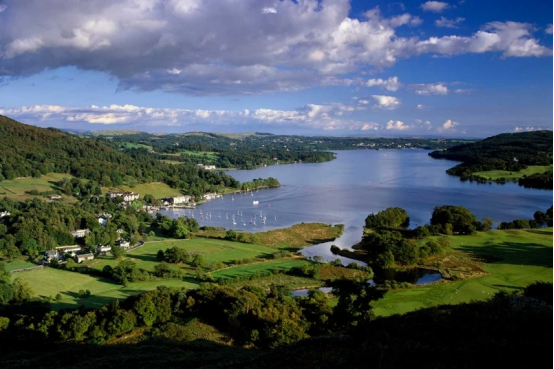
Lake Windermere is more than just a body of water; it’s the vibrant epicenter of the Lake District National Park. Stretching over 10.5 miles, its vast expanse is dotted with islands and surrounded by rolling hills and picturesque towns. The lake’s significance is deeply rooted in history, from its formation by glacial movement to its rise as a popular tourist destination during the Victorian era, thanks to the expansion of the railway. This accessibility transformed the area, making the sublime landscapes once celebrated by Romantic poets like William Wordsworth accessible to all. Today, Windermere serves as a playground for outdoor enthusiasts and a sanctuary for those seeking peace and tranquility.
The Unique Geography and Ecology
The lake itself is a complex ecosystem, home to a variety of fish, including the Arctic charr, a relic from the last Ice Age. Its shores are a mosaic of ancient woodlands, private estates, and public access points, offering countless opportunities for exploration. The surrounding fells provide stunning panoramic views, with trails ranging from gentle lakeside strolls to challenging mountain hikes. Understanding this natural context enhances the appreciation for every boat trip and shoreline walk.

Navigating Lake Windermere: Your Ultimate Boating Guide
Experiencing Windermere from the water is an absolute must. The perspective from a boat offers an unparalleled sense of the lake’s scale and beauty. Whether you’re seeking a leisurely cruise or the freedom of captaining your own vessel, there’s an option for every visitor. The main hubs for boat hire and cruises are Bowness-on-Windermere, Ambleside, and Lakeside.
Choosing Your Vessel: A Comparison
Selecting the right boat depends on your budget, group size, and desired level of autonomy. From small, self-drive motorboats to large, stately lake cruisers, the choice can shape your entire experience.
| Boat Type | Best For | Pros | Cons |
|---|---|---|---|
| Self-Drive Motorboat | Small groups, couples, and families seeking independence. | Total freedom to explore at your own pace; access smaller coves. | Requires a confident driver; limited range; weather dependent. |
| Lake Cruiser (e.g., Windermere Lake Cruises) | All visitors, especially first-timers and large groups. | Relaxing, all-weather option; onboard commentary; connects key towns. | Fixed routes and schedules; can be crowded during peak season. |
| Rowing Boat / Kayak | Active individuals and those seeking a peaceful, eco-friendly experience. | Silent and intimate; great exercise; access to very shallow areas. | Physically demanding; requires suitable weather; limited distance. |
Pro Tips for Boating on Windermere
-
Book in Advance:
During summer and school holidays, self-drive boats and popular cruises sell out quickly. Booking online a few days ahead is highly recommended. -
Check the Weather:
The Lake District weather is notoriously changeable. Always check the forecast before heading out, especially in a small boat. -
Understand the Rules:
There is a strict 10 mph speed limit on the lake. Familiarize yourself with the basic rules of navigation to ensure a safe and enjoyable trip for everyone. -
Pack Accordingly:
Even on a sunny day, it can be cooler on the water. Bring layers, waterproofs, sunscreen, and snacks.

Bowness-on-Windermere: The Heartbeat of the Lake
Nestled on the eastern shore, Bowness-on-Windermere is the most popular town on the lake. It’s a bustling hub of activity, with a charming Victorian feel, narrow streets, and a lively waterfront. While it serves as a primary access point for boating, the town itself is a destination worth exploring. Its origins as a small fishing village are now overlaid with a vibrant tourism industry, offering a wide array of shops, pubs, and restaurants.
What to See and Do in Bowness
-
The Glebe:
This large, grassy area by the lake is perfect for picnics, enjoying an ice cream, and watching the boats and swans go by. -
St Martin’s Church:
A beautiful parish church dating back to the 15th century, known for its intricate stained-glass windows. -
Independent Shops and Galleries:
Wander away from the main promenade to discover quaint alleyways filled with unique shops selling local crafts, outdoor gear, and the famous Kendal Mint Cake. -
Dining with a View:
Bowness offers everything from traditional pubs serving hearty fare to upscale restaurants with panoramic lake views. Don’t miss the opportunity to try a classic cream tea.

Step into a Storybook: The World of Beatrix Potter Attraction
For many, a trip to the Lake District is synonymous with Beatrix Potter. The World of Beatrix Potter Attraction in Bowness is a magical experience that brings her beloved characters to life. This isn’t just a museum; it’s an immersive journey into the enchanting world she created, meticulously recreating scenes from her famous tales.
The Enduring Legacy of Beatrix Potter
Beatrix Potter was not only a gifted author and illustrator but also a passionate conservationist. She used the proceeds from her books to purchase farms and land in the Lake District, protecting them from development. Upon her death, she bequeathed much of this land to the National Trust, ensuring its preservation for future generations. Visiting the attraction is a tribute to her dual legacy of literature and conservation, which is fundamental to the character of the Lake District today.
What to Expect Inside
-
Character Encounters:
Walk through detailed exhibits featuring Peter Rabbit in Mr. McGregor’s garden, Jemima Puddle-Duck, and Mrs. Tiggy-Winkle’s kitchen. -
The Peter Rabbit Garden:
An award-winning outdoor space designed to be a living interpretation of the vegetables and flowers featured in the books. -
Virtual Walk:
An interactive screen allows you to explore the Cumbrian landscapes that inspired the stories. -
Family-Friendly Experience:
The attraction is designed for all ages, but it holds a special magic for children and anyone who grew up with the books. The low-level displays and sensory elements make it highly engaging.

Planning Your Perfect Lake District Trip: Pro Tips & Logistics
A successful trip to Windermere requires a bit of planning. The region’s popularity means that accommodation and transport can be challenging during peak seasons. Here is a checklist to help you prepare.
Visitor Logistics Checklist
-
Best Time to Visit:
May, June, and September offer pleasant weather with fewer crowds than the peak summer months of July and August. The autumn colours in October are also spectacular. -
Getting There:
The main train station is Windermere (a short bus or taxi ride from Bowness). If driving, be prepared for narrow, winding roads and limited parking in Bowness, especially in summer. Consider using the park-and-ride bus services. -
Accommodation:
Book well in advance. Options range from luxury hotels and cozy B&Bs in Bowness to holiday cottages and campsites in the surrounding area. -
Getting Around:
Once there, the best way to explore is a combination of walking, bus, and boat. Stagecoach runs an extensive bus network, and the Windermere Lake Cruises connect all the major points on the lake. -
Pacing Your Itinerary:
Don’t try to do too much in one day. The beauty of the Lake District is in slowing down and soaking in the atmosphere. Allow at least two full days to properly experience Windermere and Bowness.
Frequently Asked Questions (FAQ)
-
What is the best time of year to visit Lake Windermere?
- The best time is typically late spring (May-June) or early autumn (September-October). During these months, you’ll enjoy pleasant weather, longer daylight hours, and fewer crowds than the peak summer season of July and August. The scenery is stunning, with spring blooms or beautiful autumn foliage.
-
Do I need to book boat hire or tickets for attractions in advance?
- Yes, it is highly recommended. For attractions like The World of Beatrix Potter and for self-drive boat hire, booking online in advance can save you from long queues and potential disappointment, as they often sell out, especially during school holidays and weekends.
-
Is the Lake District suitable for a family trip?
- Absolutely. The Lake District is an excellent destination for families. With activities like boat trips, gentle lakeside walks, and attractions like the World of Beatrix Potter and the Lakes Aquarium, there is something to entertain all ages. Many pubs and cafes are also family-friendly.
-
How do I get to Windermere without a car?
- The UK rail network provides excellent access. You can take a train to Oxenholme Lake District station and then a direct connection to Windermere station. From Windermere town, it’s a short bus ride or a 20-minute walk down the hill to Bowness-on-Windermere and the lake.
-
How much time should I spend in Bowness-on-Windermere?
- To fully experience Bowness and the immediate lake area, plan for at least two full days. This allows one day for boating and exploring the waterfront and another for visiting the Beatrix Potter attraction, wandering through the town’s shops, and perhaps taking a short local walk. A longer stay of 3-4 days would allow you to use it as a base to explore further afield to places like Ambleside or Grizedale Forest.