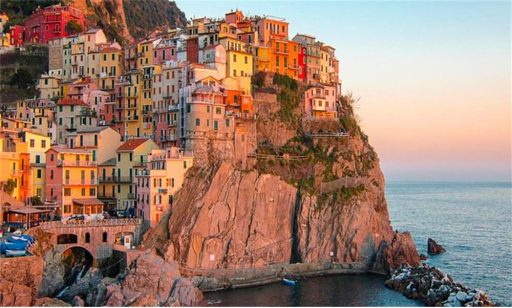
Cinque Terre, translating to “Five Lands,” is a rugged portion of coast on the Italian Riviera. It comprises five distinct villages: Riomaggiore, Manarola, Corniglia, Vernazza, and Monterosso al Mare. This region is not merely a tourist destination but a testament to human ingenuity, where centuries of terraced cultivation have transformed a steep, rocky landscape into a vibrant cultural landscape.
Exploring the Five Iconic Villages of Cinque Terre
Each of the five villages possesses a unique personality and topography, shaped by its history as a fishing or agricultural hub. Understanding these differences is key to planning a comprehensive visit.
Riomaggiore: The Southern Gateway
Known for its verticality, Riomaggiore features narrow alleys and tall, colorful houses that seem to stack upon one another. It serves as the southern entrance to the park and is famous for its picturesque harbor and sunset views.
Manarola: The Heart of Viticulture
Often cited as the most beautiful village, Manarola is surrounded by steep vineyards. It is the birthplace of the famous Sciacchetrà wine. The village is characterized by its “marina” where boats are parked along the main street rather than in a traditional harbor.
Corniglia: The Quiet Hilltop Retreat
Unlike the other four, Corniglia is situated on a high promontory and does not have direct sea access. To reach it from the train station, visitors must climb the “Lardarina,” a brick flight of 382 steps. This elevation provides the most panoramic views of the entire coastline.
Vernazza: The Elegant Port
With its natural pier and amphitheater-like shape, Vernazza is often considered the most “noble” village. It features the Church of Santa Margherita d’Antiochia, built right on the water’s edge, and the remains of the Doria Castle which once protected the town from pirates.
Monterosso al Mare: The Modern Resort
The largest and oldest village, Monterosso is divided into an old town and a new town (Fegina). It is the only village with a large sandy beach and extensive hotel infrastructure, making it the preferred choice for those seeking a traditional resort atmosphere.

Strategic Planning: Best Times and Logistics
Visiting Cinque Terre requires careful timing to avoid the overwhelming crowds of the peak summer months. The region’s infrastructure is delicate, and the experience is significantly enhanced during the shoulder seasons.
Seasonal Recommendations
The ideal windows for visiting are from mid-April to May and from September to October. During these periods, the weather is mild enough for hiking, and the ferry services are operational, yet the village paths are more navigable.
| Season | Pros | Cons |
|---|---|---|
| Spring (Apr-May) | Blooming flowers, moderate hiking temperatures. | Occasional rain showers. |
| Summer (Jun-Aug) | Ideal for swimming and boat tours. | Extreme heat and heavy crowds. |
| Autumn (Sep-Oct) | Warm sea water, harvest season. | Ferry services may end late Oct. |
| Winter (Nov-Mar) | Solitude, lower prices. | Many shops closed, trails can be muddy. |

The Sentiero Azzurro: A World-Class Hiking Experience
The Sentiero Azzurro (Blue Trail) is the most famous hiking route in Italy. It connects all five villages along the coast. While the trail offers unparalleled views, it requires physical preparation and awareness of trail conditions.
Hiking Guidelines and Safety
The trail is divided into four sections. It is important to check the official Parco Nazionale delle Cinque Terre website for closures, as landslides frequently impact the paths.
-
Footwear:
Flip-flops are strictly prohibited on the trails for safety reasons. Sturdy hiking shoes are mandatory. -
Cinque Terre Card:
Access to the Blue Trail requires the purchase of a trekking card, which funds the maintenance of the UNESCO site. -
Hydration:
Each village has public water fountains with fresh mountain water; carry a reusable bottle.

Culinary Traditions of the Ligurian Coast
The gastronomy of Cinque Terre is a reflection of its geography—a blend of seafood and mountain agriculture. The cuisine is defined by freshness and simplicity.
Local Specialties to Try
The region is the birthplace of Pesto alla Genovese, made with local basil, pine nuts, and Ligurian olive oil. Additionally, the anchovies of Monterosso are a protected local delicacy, often served salted or marinated in lemon.
Expert Advice: Dining Away from the Main Squares
To find authentic flavors, move away from the primary harborside restaurants. Look for “Trattorias” tucked into the upper alleys where locals eat. Always pair your meal with a glass of dry Cinque Terre DOC white wine.

Sustainability and Responsible Travel in Cinque Terre
As a UNESCO World Heritage site, Cinque Terre faces significant pressure from overtourism. Responsible travel is essential to preserving the delicate balance of the environment and the local community.
The Importance of the Train and Ferry
Cars are essentially useless in the villages, as most centers are pedestrian-only and parking is extremely limited. The Cinque Terre Express train is the most efficient way to travel between villages, while the ferry provides a perspective of the “vertical” vineyards from the sea.
Supporting the Local Economy
Support the maintenance of the terraces by purchasing local products like honey, olive oil, and wine. These terraces prevent soil erosion and landslides; without active farming, the landscape of Cinque Terre would literally collapse.

Frequently Asked Questions (FAQ)
-
How many days do I need to see Cinque Terre?
- While you can see all five villages in one day via train, a stay of 3 to 4 days is recommended to truly experience the hiking trails, local culture, and sunset atmospheres.
-
Is the Cinque Terre Card worth it?
- Yes, if you plan to hike the Blue Trail or use the train multiple times a day. The “Treno MS” version includes unlimited train travel and access to all hiking paths and shuttle buses.
-
Which village is the best to stay in?
- Monterosso is best for families and beach lovers. Vernazza and Manarola are best for couples seeking romance. Corniglia is ideal for those looking for peace and a local feel.
-
Can I visit Cinque Terre on a budget?
- Yes. You can save money by staying in nearby La Spezia or Levanto and taking the short train ride in. Buying focaccia from local bakeries for lunch is also a delicious and affordable option.
-
Are the hiking trails difficult?
- The difficulty varies. The path between Monterosso and Vernazza is quite steep and challenging, while other sections are more moderate. Always check trail status before heading out.