Our planet is adorned with natural masterpieces that transcend time and geography. These landmarks are not merely tourist destinations; they are the results of millions of years of geological evolution, the cradles of unique ecosystems, and the focal points of cultural heritage. From the symmetrical perfection of volcanic peaks to the intricate labyrinths of coral reefs, understanding these sites requires a deep dive into their seasonal rhythms, historical contexts, and biological significance. This guide serves as a pillar of knowledge for those seeking to understand and visit the world’s most significant natural wonders.
Mount Fuji: Japan’s Sacred Peak and the Art of Four Seasons
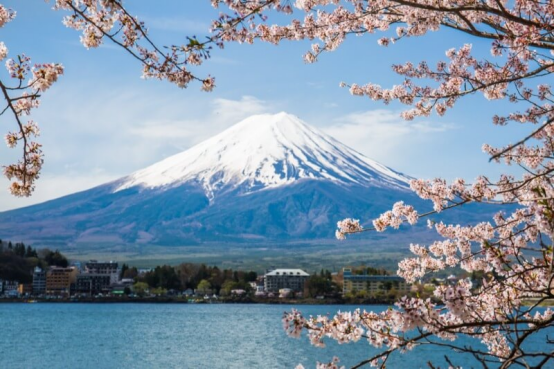
Mount Fuji, or Fujisan, stands as an immortal symbol of Japan. Reaching an elevation of 3,776 meters, this stratovolcano is celebrated for its near-perfect conical shape and its profound influence on Japanese art and spirituality. As a UNESCO World Heritage site, it attracts millions who seek to witness its beauty, which shifts dramatically with the changing seasons.
The Spring Awakening: Cherry Blossoms and Festivals
In spring, particularly from late March to mid-April, Mount Fuji provides a stunning backdrop for the Sakura (cherry blossom) season. The contrast between the brilliant pink blossoms and the snow-capped peak is a quintessential Japanese image. The Fuji Five Lakes region, especially Lake Kawaguchi, offers the most iconic viewing spots. During this time, the Fuji Shibazakura Festival also takes place, where fields of pink moss phlox create a vibrant carpet at the base of the mountain.
Summer: The Season of the Ascent
While the mountain is often shrouded in mist during the early summer, July and August mark the official climbing season. This is the only time of year when the trails and mountain huts are fully operational. Thousands of hikers undertake the journey to the summit to witness Goraiko, the sunrise from above the clouds. The climb is divided into ten stations, with most hikers starting at the 5th station. The experience is physically demanding but offers unparalleled views of the surrounding Kanto region.
Autumn Foliage and Winter Serenity
As autumn arrives in October and November, the landscape transforms into a palette of fiery reds, oranges, and golds. The “Momiji” (maple leaf) corridors around the lakes are world-famous. Winter, however, offers the clearest visibility. With the air crisp and dry, the mountain stands in sharp relief against blue skies, its snow cap extending further down its slopes. This is the best time for photography, particularly for capturing the “Diamond Fuji”—a phenomenon where the sun aligns perfectly with the peak.

The Grand Canyon: A Geological Masterpiece of the Colorado River
Located in the high desert of northern Arizona, the Grand Canyon is a testament to the power of erosion and time. Carved by the Colorado River over a period of approximately 6 million years, the canyon reveals nearly two billion years of Earth’s geological history. Its scale is immense, stretching 277 miles long and up to 18 miles wide.
Comparing the South Rim and North Rim
The Grand Canyon National Park is primarily divided into two main areas: the South Rim and the North Rim. Understanding the differences between them is crucial for planning a visit.
| Feature | South Rim | North Rim |
|---|---|---|
| Accessibility | Open year-round, easy access. | Closed in winter (Oct-May). |
| Elevation | Approx. 7,000 feet. | Approx. 8,000 feet (cooler). |
| Crowds | High volume of tourists. | Quiet, secluded, 10% of visitors. |
| Views | Expansive, classic panoramic vistas. | Deeper, closer to the canyon walls. |
The Vertical Journey: Hiking and Exploration
To truly appreciate the Grand Canyon, one must move beyond the rim. Trails like the Bright Angel Trail and the South Kaibab Trail allow hikers to descend into the canyon’s depths, passing through various life zones and geological layers. The descent takes you from the Kaibab Limestone at the top down to the Vishnu Basement Rocks at the bottom—some of the oldest exposed rock on the planet. For those seeking a different perspective, white-water rafting on the Colorado River provides a thrilling view of the canyon from the bottom up.

Cape of Good Hope: Where History and Oceans Collide
At the southwestern tip of the African continent lies the Cape of Good Hope, a place of dramatic cliffs, wild surf, and significant maritime history. Long misunderstood as the meeting point of the Atlantic and Indian Oceans (a title that geographically belongs to Cape Agulhas), the Cape of Good Hope remains the symbolic “Land’s End” for many travelers.
The Myth and Reality of the Two Oceans
While the official meeting point of the cold Benguela Current and the warm Agulhas Current shifts seasonally along the coast, the Cape of Good Hope is where the coastline begins to turn eastward. This transition was historically vital for explorers like Bartolomeu Dias and Vasco da Gama as they sought a sea route to India. The area is notorious for its treacherous weather, leading to the legend of the Flying Dutchman, a ghost ship doomed to sail these waters forever.
Biodiversity of the Table Mountain National Park
The Cape is part of the Table Mountain National Park and falls within the Cape Floral Region, a biodiversity hotspot. The dominant vegetation is Fynbos, a unique type of Mediterranean shrubland. Visitors can observe a variety of wildlife, including:
- Chacma Baboons: Known for their intelligence and opportunistic feeding habits.
- African Penguins: Located nearby at Boulders Beach.
- Cape Mountain Zebras: Often spotted grazing in the flatter sections of the reserve.
- Southern Right Whales: Frequently seen from the cliffs during their migration between June and November.

The Great Barrier Reef: The World’s Largest Living Structure
Stretching over 2,300 kilometers along the coast of Queensland, Australia, the Great Barrier Reef is so large it can be seen from outer space. It is not a single reef but a complex system of over 2,900 individual reefs and 900 islands. This ecosystem is a vibrant underwater city, home to thousands of species of marine life.
A Marine Kaleidoscope: Biodiversity and Coral
The reef is built by billions of tiny organisms known as coral polyps. These polyps create the vast calcium carbonate structures that provide habitat for:
- Fish: Over 1,500 species, ranging from tiny damselfish to massive whale sharks.
- Sea Turtles: Six of the world’s seven species of sea turtles breed on the reef.
- Mollusks: Including the giant clam, which can live for over 100 years.
- Cetaceans: Humpback whales migrate here to give birth in the warm tropical waters.
Conservation and Sustainable Tourism
The Great Barrier Reef faces significant threats from climate change, specifically coral bleaching caused by rising ocean temperatures. Conservation efforts are paramount. When visiting, it is essential to choose eco-certified operators who adhere to strict environmental standards. Activities such as snorkeling, scuba diving, and glass-bottom boat tours offer immersive experiences while funding the management and protection of the Great Barrier Reef Marine Park.

Essential Travel Tips for Global Landmark Exploration
Visiting these iconic sites requires careful preparation to ensure both personal safety and environmental preservation. Each location has its own unique challenges, from the high altitudes of Mount Fuji to the intense heat of the Grand Canyon.
Packing and Preparation
Mount Fuji: Even in summer, temperatures at the summit can be near freezing. Layered clothing, sturdy hiking boots, and headlamps for sunrise climbs are non-negotiable. Grand Canyon: Hydration is the most critical factor. The dry air evaporates sweat instantly, leading to rapid dehydration. Always carry more water than you think you need and include electrolyte replacements. Great Barrier Reef: Use reef-safe sunscreen to prevent chemical damage to the coral. Long-sleeved rash guards are also effective for sun protection.
Respecting the Environment
All these locations are protected areas. Adhering to the “Leave No Trace” principles is mandatory. This includes staying on marked trails to prevent erosion, disposing of waste properly, and never feeding the wildlife. In South Africa, specifically, be cautious around baboons as they can be aggressive when they associate humans with food.
Frequently Asked Questions (FAQ)
- Q1: When is the best time to visit all these locations in one year?
- To see them at their best: Visit Mount Fuji in April (Cherry Blossoms) or November (Autumn leaves). Head to the Grand Canyon in May or September to avoid extreme heat. Visit the Cape of Good Hope in October for spring flowers and whale watching. Finally, visit the Great Barrier Reef between June and October for the best visibility and to avoid the stinger (jellyfish) season.
- Q2: Do I need a permit to climb Mount Fuji?
- While there isn’t a “permit” in the traditional sense, there is a voluntary 1,000 yen conservation fee collected at the trailheads. However, starting in 2024, new regulations and fees have been introduced for the Yoshida Trail to manage hiker numbers and improve safety, so always check the official Fujisan climb website before departing.
- Q3: Is it possible to see the Grand Canyon in a single day?
- Yes, you can see the major viewpoints of the South Rim in a single day using the park’s shuttle bus system. However, a single day does not allow enough time to hike to the bottom and return. To truly experience the canyon, a 2-3 day stay is recommended.
- Q4: Can I swim at the Cape of Good Hope?
- Swimming is generally not recommended at the Cape of Good Hope itself due to extremely strong currents, large swells, and cold water temperatures. For swimming, it is better to visit the calmer False Bay side of the peninsula, such as St. James or Fish Hoek, where the water is slightly warmer.
- Q5: How can I help protect the Great Barrier Reef?
- Beyond choosing sustainable tour operators, you can help by reducing your carbon footprint, minimizing plastic use, and supporting organizations dedicated to coral restoration. When snorkeling, never touch or stand on the coral, as even a slight touch can kill the delicate polyps.