Planning Your Iceland Adventure: 8 Days vs. 14 Days
Iceland, affectionately known as the Land of Fire and Ice, presents a dramatic landscape where tectonic plates tear apart and ancient glaciers carve their way through volcanic rock. Deciding how much time to spend in this Nordic island nation is the most critical step in your trip planning. The choice between an 8-day focused tour and a 14-day comprehensive Ring Road expedition fundamentally alters your experience, dictating the pace of your travel and the depth of your immersion into Iceland’s untamed wilderness.
An 8-day itinerary is perfectly tailored for travelers who want to experience the highest concentration of Iceland’s iconic landmarks without the commitment of circumnavigating the entire country. This route typically focuses on the Golden Circle, the South Coast, and the Snæfellsnes Peninsula. Conversely, a 14-day journey allows you to conquer the legendary Route 1 (the Ring Road), offering a profound exploration of the remote East Fjords, the geothermal wonders of the North, and the rugged, less-traveled terrains that shorter trips simply cannot accommodate.
Comparative Analysis of Trip Durations
To help you make an informed decision, it is essential to understand the logistical and experiential differences between these two popular timeframes. Below is a comprehensive breakdown of what each duration offers.
| Feature | 8-Day Express Itinerary | 14-Day Ring Road Expedition |
|---|---|---|
| Pace of Travel | Fast-paced, action-packed days with minimal downtime. | Moderate to relaxed, allowing for spontaneous detours. |
| Geographic Coverage | South Coast, Golden Circle, Reykjanes Peninsula. | Entire Route 1, including North, East, and South regions. |
| Key Highlights | Blue Lagoon, Vatnajökull glaciers, black sand beaches. | Blue ice caves, remote hot springs, Dettifoss, Myvatn. |
| Best Season | Year-round (accessible even in harsh winter). | Late Spring to Early Autumn (Winter requires 4×4 expertise). |
Regardless of the duration you choose, meticulous planning is paramount. The volatile Icelandic weather dictates that itineraries must remain flexible. Travelers should always prioritize safety, utilizing local meteorological resources and road condition updates to navigate the dramatic landscapes successfully.

The 8-Day Express Itinerary: Glaciers, Volcanoes, and the Blue Lagoon
For those embarking on an 8-day adventure, the focus is on maximizing exposure to Iceland’s most dramatic geological features. This itinerary is an intense, sensory-rich experience that places you directly in the heart of volcanic craters, atop ancient ice caps, and deep within geothermal waters. The journey begins with the classic Golden Circle, serving as a spectacular introduction to the country’s geothermal power, before transitioning into the rugged, wave-battered South Coast.
Stepping on Volcanic Ash: The Black Sand Beaches
No trip to the South Coast is complete without a visit to Reynisfjara, the world-famous black sand beach. The sand here is not traditional sand but rather pulverized basaltic lava, created when molten rock from volcanic eruptions collides with the freezing waters of the North Atlantic. The sudden cooling shatters the lava into tiny fragments, which are then smoothed by the relentless ocean waves.
- Basalt Sea Stacks (Reynisdrangar): Legend has it that these towering basalt columns emerging from the ocean are petrified trolls caught in the sunlight. Geologically, they are remnants of a once-massive cliffline eroded by the sea.
- Sneaker Waves Warning: The beauty of Reynisfjara is matched only by its danger. Unpredictable “sneaker waves” can surge much further up the beach than normal waves. Visitors must maintain a safe distance from the water’s edge and never turn their backs to the ocean.
Touching the Ice: Glacier Hiking on Vatnajökull
Transitioning from fire to ice, the 8-day itinerary takes you to the sprawling outlet glaciers of Vatnajökull, Europe’s largest ice cap. Strapping on crampons and wielding an ice axe, you step onto a living, moving river of ice. The experience of touching millennia-old ice, characterized by its deep, compressed blue hues and striking veins of black volcanic ash from past eruptions, is profoundly humbling. Guided tours are mandatory here, as the terrain is riddled with hidden crevasses and moulins (deep vertical shafts carved by meltwater).
Becoming a Smurf: Rejuvenation in the Blue Lagoon
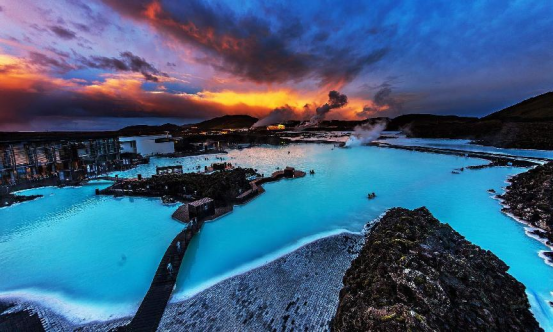
Concluding the 8-day sprint requires ultimate relaxation, best found in the milky-blue, mineral-rich waters of the Blue Lagoon. Located in the heart of a moss-covered lava field on the Reykjanes Peninsula, this geothermal spa is renowned for its healing properties. The water’s unique color is a result of silica reflecting sunlight. Applying the complimentary white silica mud masks not only revitalizes the skin but playfully turns visitors into “Smurfs,” adding a touch of whimsical joy to the profound geological wonders experienced throughout the week.

The Ultimate 14-Day Ring Road Trip: Deep Dive into Iceland’s Untamed Beauty
Expanding your journey to 14 days unlocks the true, untamed spirit of Iceland. The Ring Road, officially known as Route 1, is an 828-mile (1,332 km) paved highway that circles the entire island. This extended timeframe allows you to escape the crowded tourist hubs of the South and venture into the remote tranquility of the East Fjords and the volatile geothermal landscapes of the North. It is a road trip of epic proportions, where every bend in the road reveals a new, breathtaking panorama.
Encountering the Crystal Blue Ice Caves
One of the most exclusive and mesmerizing experiences of a 14-day winter itinerary is exploring the natural blue ice caves beneath the Vatnajökull glacier. Unlike the surface ice, the ice deep within the glacier has been compressed over centuries, forcing out air bubbles and absorbing all colors of the light spectrum except blue. These caves are ephemeral wonders, melting and reforming each year, meaning no two visits are ever the same. Entering these crystalline cathedrals feels like stepping onto another planet, surrounded by smooth, sculpted walls of sapphire and aquamarine ice.
Soaking in Outdoor Hot Springs Under the Northern Lights
While the Blue Lagoon is a magnificent commercial spa, the 14-day Ring Road trip allows you to discover natural, rustic hot springs scattered across the countryside. Northern Iceland, particularly the Lake Mývatn region, is a hotspot for geothermal activity.
Soaking in a secluded, natural hot spring takes on a magical dimension during the winter months when the Aurora Borealis (Northern Lights) dance across the sky. The phenomenon is caused by solar wind particles colliding with gases in the Earth’s atmosphere, creating vibrant ribbons of green, pink, and violet light. Immersed in 38°C (100°F) geothermal water while the air temperature drops below freezing, watching the sky erupt in color is the quintessential Icelandic experience. To maximize your chances, you need clear, dark skies away from light pollution, and a strong Kp-index forecast.
- Mývatn Nature Baths: Often called the “Blue Lagoon of the North,” offering alkaline bathing waters with fewer crowds and stunning views of the surrounding volcanic craters.
- Secret Lagoon (Gamla Laugin): Iceland’s oldest swimming pool, featuring a natural geyser that erupts every few minutes right next to the bathing area.
- Reykjadalur Thermal River: A moderate hike leads to a natural hot river where you can bathe in the wild, adjusting your temperature by simply moving up or downstream.

Essential Tips for Driving and Surviving in Iceland
Whether you are navigating the paved stretches of the Golden Circle or tackling the remote mountain passes of the East Fjords, driving in Iceland requires preparation, respect for nature, and a robust understanding of local regulations. The environment is as unforgiving as it is beautiful, and a successful road trip hinges on your ability to adapt to rapidly changing conditions.
Navigating F-Roads and Weather Warnings
If your 14-day itinerary includes venturing into the Highlands, you will encounter “F-roads” (Fjallvegir). These unpaved, rugged mountain roads are strictly accessible only to 4×4 vehicles and are typically open only from late June to September. They often involve unbridged river crossings, which require specific driving techniques and extreme caution. Even on the main Ring Road, weather can be a formidable adversary. High winds can literally blow doors off their hinges, and sudden whiteouts can reduce visibility to zero within minutes.
Always consult the Icelandic Meteorological Office (vedur.is) and the Road and Coastal Administration (road.is) before setting out each morning. Downloading the SafeTravel app is highly recommended, as it provides real-time alerts and allows you to submit your travel plan to local search and rescue teams.
Budgeting and Accommodation Strategies
Iceland is notoriously expensive, but strategic planning can significantly reduce costs. Booking accommodations months in advance is crucial, especially during the peak summer season when supply is vastly outstripped by demand. Consider renting a campervan for your 14-day trip; it combines your transportation and accommodation costs while offering the ultimate flexibility to chase good weather. However, be aware that wild camping is illegal in Iceland—you must park your campervan in designated campsites overnight. For food, bypass the expensive restaurants and shop at local discount grocery stores like Bónus or Krónan, utilizing the kitchen facilities at your guesthouse or campsite to prepare your own meals.
Frequently Asked Questions (FAQ)
- Q1: Do I need a 4×4 vehicle for an 8-day or 14-day Iceland road trip?
- If you are traveling exclusively on the paved Ring Road (Route 1) and the Golden Circle during the summer months, a standard 2WD vehicle is perfectly sufficient. However, if you plan to visit Iceland during the winter (October to April) or intend to drive on the unpaved F-roads in the Highlands during the summer, a 4×4 vehicle is absolutely mandatory by law and essential for your safety.
- Q2: When is the best time to see the Northern Lights?
- The Aurora Borealis is visible in Iceland from late August to mid-April. You need three conditions to see them: intense solar activity, clear skies without cloud cover, and profound darkness. Therefore, the deep winter months of November through February offer the longest nights and the highest statistical probability of viewing the lights, provided the weather cooperates.
- Q3: Are the blue ice caves accessible year-round?
- No, the natural crystal blue ice caves within the Vatnajökull glacier are strictly a winter phenomenon. They are generally accessible from November to March. During the summer, the glacier melts, flooding the caves and making them structurally unstable and extremely dangerous to enter. There is, however, a man-made ice cave at Langjökull and a natural ice cave at Katla that can be visited year-round.
- Q4: How dangerous are the black sand beaches?
- While stunning, beaches like Reynisfjara are incredibly dangerous due to “sneaker waves.” These are disproportionately large coastal waves that can appear without warning in a train of smaller waves. The undercurrent is incredibly strong and can easily pull an adult out to sea. Visitors must always read the warning signs at the beach entrance, stay well back from the waterline, and never turn their back to the ocean.
- Q5: Can I drink the tap water in Iceland?
- Yes! Iceland has some of the purest, cleanest tap water in the world, sourced directly from glacial melt and naturally filtered through porous lava rocks. There is absolutely no need to buy bottled water. Simply bring a reusable water bottle and fill it up from any cold water tap. Note: Ensure you run the cold water for a few seconds first, as the hot water comes directly from geothermal sources and can have a slight sulfur smell.