Exploring the Depths of Palau’s Blue Hole
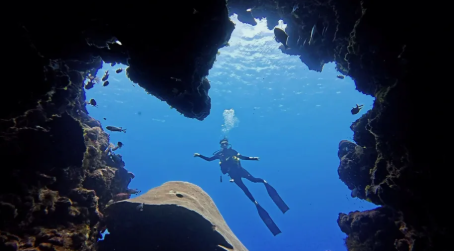
Palau’s Blue Hole is widely considered one of the most exhilarating dive sites on the planet. Located near the reef edge of Ngemelis, this natural geological formation offers a vertical cavern experience that challenges and rewards even the most experienced divers.
Geological Significance and Diving Conditions
The Blue Hole is characterized by four large openings at the top of the reef, which converge into a massive, cathedral-like chamber. Light filters through these openings, creating a spectacular display of illumination that illuminates the surrounding marine life.
- Visibility: Often exceeding 30-40 meters, allowing for unparalleled photography opportunities.
- Currents: While the interior is protected, the exterior wall often features strong drift currents, requiring intermediate to advanced buoyancy control skills.

Marine Biodiversity in the Great Barrier Reef
As the largest living structure on Earth, Australia’s Great Barrier Reef is a sprawling ecosystem that supports thousands of species of fish, mollusks, and coral. It is a critical site for global marine research and a bucket-list destination for recreational divers.
Key Species and Coral Health
The reef is home to an incredible array of biodiversity. Divers can expect to encounter reef sharks, sea turtles, rays, and the iconic clownfish among thousands of distinct coral colonies.
| Feature | Great Barrier Reef | Palau Blue Hole |
|---|---|---|
| Primary Attraction | Extensive Coral Ecosystem | Vertical Cavern/Wall Diving |
| Difficulty Level | Beginner to Advanced | Intermediate to Advanced |
| Water Temperature | 24°C – 29°C | 27°C – 30°C |

Essential Safety Protocols for Advanced Diving
Whether you are exploring the subterranean chambers of Palau or the vast outer reefs of Australia, safety remains the paramount concern. Diving in remote locations requires meticulous planning and adherence to international diving standards.
Risk Mitigation Strategies
Before entering the water, ensure that your equipment is serviced and that you have a comprehensive understanding of the site’s topography. Never dive beyond your certification level or physical comfort zone.
- Buddy System: Always maintain visual contact with your designated dive buddy throughout the entire duration of the dive.
- Decompression Limits: Utilize dive computers to strictly monitor your nitrogen absorption levels, especially when planning multi-day, multi-dive itineraries.

Logistics and Best Times to Visit
Planning your trip requires an understanding of local weather patterns and seasonal marine migrations. Both Palau and the Great Barrier Reef have peak seasons that offer the best visibility and calmest conditions for underwater exploration.
Seasonal Considerations
For Palau, the dry season (December to April) provides the most stable weather. Similarly, the Great Barrier Reef offers optimal water clarity during the winter months, avoiding the peak heat and potential storm activity of the summer season.
Frequently Asked Questions (FAQ)
- Q1: What is the best time of year to visit Palau for diving?
- The period between December and April is considered the peak season, offering the best weather and optimal water clarity for reef and cavern diving.
- Q2: Do I need advanced certification to dive the Blue Hole?
- While some sections are accessible to open-water divers, it is highly recommended to have an Advanced Open Water certification due to the depth and potential for currents at the reef edge.
- Q3: Is the Great Barrier Reef suitable for beginners?
- Yes, the Great Barrier Reef features many shallow, protected inner-reef sites that are perfect for beginners and those looking to complete their certification courses.
- Q4: How do I protect the coral reefs during my dive?
- Always maintain neutral buoyancy to avoid contact with the reef, use reef-safe sunscreen, and never touch or remove any marine life while underwater.