Mastering High-Latitude and Arctic Environments
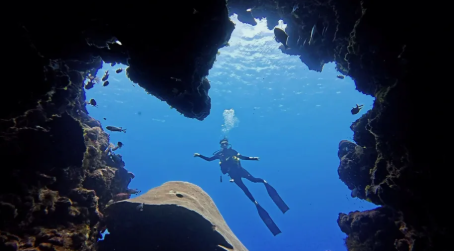
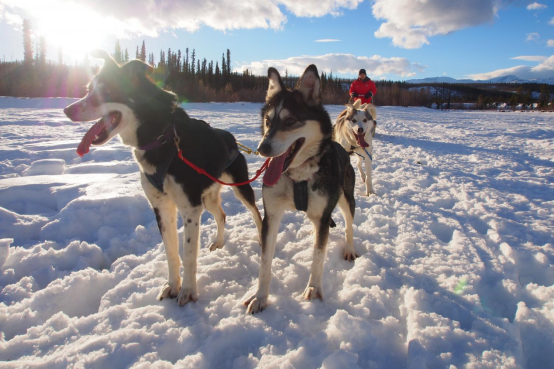
Venturing into the world’s most extreme climates requires a combination of physical endurance and specialized equipment. Whether you are dog-sledding across the frozen Yukon tundra or ice-diving in the frigid waters of Norway’s Lofoten Islands, the environment dictates your survival and success. The Arctic and sub-Arctic regions provide unique opportunities to witness natural phenomena like the Aurora Borealis, but they demand rigorous preparation.
Logistics of Arctic Travel
- Thermal Regulation: Layering is the golden rule. Prioritize moisture-wicking base layers to prevent hypothermia from sweat.
- Navigation: GPS is essential, but analog maps and compasses remain the only fail-safe in areas where magnetic interference or extreme cold drains battery life.
- Wildlife Interaction: In the Yukon, managing a dog sled team requires deep trust. In Norway, encountering sub-zero marine life demands professional-grade dry suits and certified diving experience.

Cultural Immersion in Remote Sacred Sites
Deep travel is defined by the ability to connect with local traditions that have remained largely unchanged for centuries. The Tiger’s Nest Monastery in Bhutan serves as a pinnacle of this experience. Perched precariously on a cliffside, it represents the heart of Tibetan Buddhism. Engaging with practitioners over traditional butter tea offers a rare, humanizing perspective on spiritual seclusion.
Principles of Respectful Exploration
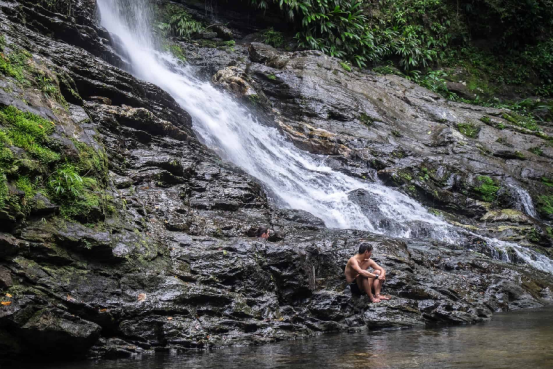
When visiting sacred sites, the goal is not merely to observe but to understand the rhythm of local life. This involves adhering to local customs, dressing modestly, and participating in rituals only when invited. In places like Papua New Guinea, navigating the primeval rainforests requires a guide who understands the complex social history of the local tribes, ensuring that the interaction is mutually respectful and historically informed.

Navigating High-Risk Borderlands and Forgotten Kingdoms
True adventure often leads to the fringes of geopolitical maps. Crossing from Angola into Namibia or navigating the mysterious, closed-off kingdom of Turkmenistan presents challenges that standard tourism cannot prepare you for. These journeys often rely on local knowledge—sometimes provided by unexpected mentors—to navigate complex visa hurdles, cultural barriers, and physical transit obstacles.
Strategic Border Crossing Tips
| Factor | Requirement |
|---|---|
| Documentation | Triple-verify visas and permits; keep physical copies. |
| Local Guides | Essential for navigating regional dialects and social norms. |
| Flexibility | Prepare for long delays; maintain a patient, low-profile demeanor. |

Survival and Exploration in Earth’s Harsh Landscapes
From the shifting dunes of the Sahara Desert to the expansive, reflective surface of the Uyuni Salt Flats in Bolivia, Earth’s vast landscapes offer a test of resilience. Whether you are tracking environmental threats like poaching in Madagascar’s baobab forests or navigating the dense Amazon rainforest, the terrain is often the primary antagonist.
Technical Survival Essentials
When stranded or operating in extreme isolation, self-sufficiency is non-negotiable. In the Uyuni Salt Flats, vehicle maintenance is critical; getting stuck during the rainy season is a distinct possibility. Similarly, in the Amazon, humidity management and insect protection are paramount for health preservation. Always carry a satellite communication device and a comprehensive medical kit tailored to the specific environment.
Frequently Asked Questions (FAQ)
- Q1: How do I prepare for a trek to a high-altitude monastery?
- Prioritize cardiovascular conditioning and acclimatization. Spend at least 48 hours in the base city before attempting steep ascents to minimize the risk of altitude sickness.
- Q2: What is the best way to find reliable local guides in remote areas?
- Consult with reputable travel agencies that specialize in expedition-style tourism. Verify their track record regarding safety protocols and their relationship with local indigenous communities.
- Q3: How should I manage technology in extreme temperature environments?
- Keep batteries close to your body heat. Use insulated cases for cameras and GPS units, and always bring redundant analog backups for navigation.
- Q4: Is it ethical to visit remote tribal regions?
- Yes, provided your visit supports the local economy and respects their privacy. Always prioritize consent and avoid intrusive photography or disrupting traditional ceremonies.