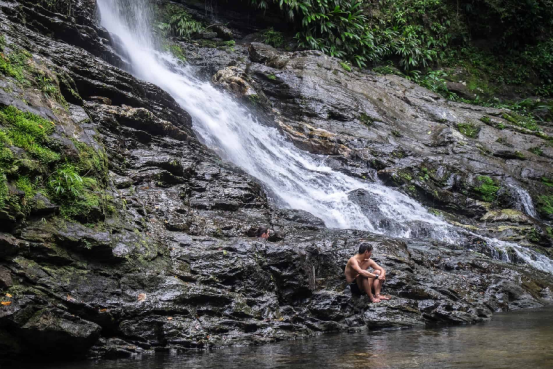
Embracing the Call of the Wild: Defining Extreme Adventure
Extreme adventure encompasses a diverse range of activities that push the boundaries of human endurance, skill, and psychological resilience. It’s not merely about visiting remote locations; it’s about actively engaging with and overcoming the formidable challenges presented by the world’s most demanding natural environments. From the dense, humid canopies of uncharted jungles to the thin air and treacherous ice of the highest mountain peaks, each type of extreme adventure demands a unique blend of preparation, specialized equipment, and unwavering determination. This guide serves as your foundational resource for understanding, preparing for, and safely executing such ambitious endeavors, drawing insights from various challenging expeditions.
The Spectrum of Global Challenges: Jungle, Alpine, and High-Altitude
Understanding the distinct characteristics of different extreme environments is crucial for effective preparation. While all share a common thread of demanding physical and mental effort, their specific hazards and requirements vary significantly.
- Jungle Expeditions: Characterized by high humidity, dense vegetation, relentless insect activity, and often difficult navigation. Challenges include disease prevention, water purification, and managing equipment in wet conditions.
- Alpine Climbing: Involves navigating rocky terrain, glaciers, and snowfields at moderate to high altitudes, typically below the extreme oxygen deprivation zones. It demands technical climbing skills, ice axe and crampon proficiency, and constant vigilance against rapidly changing weather.
- High-Altitude Expeditions: The pinnacle of mountaineering, often above 6,000 meters (20,000 feet), where oxygen levels are critically low. Risks include severe altitude sickness, extreme cold, and highly technical ice and mixed climbing. These require extensive acclimatization, specialized oxygen systems, and unparalleled logistical support.

Meticulous Preparation: The Cornerstone of Success
Success in extreme adventure is rarely accidental; it is the direct result of extensive and meticulous preparation across multiple domains. This includes not only physical conditioning but also mental fortitude, skill development, and comprehensive logistical planning. Neglecting any of these pillars can lead to severe consequences in environments where margins for error are minimal.
Physical Conditioning: Tailoring Your Training for the Terrain
Your body must be a finely tuned instrument capable of enduring prolonged exertion under stress. Training must be specific to the demands of your chosen adventure.
- Endurance: For long treks and climbs, cardiovascular endurance is paramount. Incorporate activities like long-distance running, cycling, and swimming. For jungle adventures, focus on sustained effort over uneven terrain.
- Strength: Develop core strength, leg strength for ascents and descents, and upper body strength for carrying heavy packs or technical climbing maneuvers. Weight training, bodyweight exercises, and loaded hiking are essential.
- Acclimatization (High-Altitude): For high-altitude climbs like Everest or Mount Cook, pre-acclimatization is vital. This involves spending time at progressively higher altitudes or using hypoxic training methods to prepare your body for reduced oxygen.
Mental Fortitude: Resilience Under Pressure
Beyond physical prowess, the mental game is crucial. Extreme environments test your resolve, decision-making, and ability to cope with discomfort, fear, and isolation.
- Stress Management: Practice mindfulness and stress-reduction techniques. Simulate challenging scenarios during training to build mental resilience.
- Decision-Making: Develop the ability to make sound judgments under fatigue, cold, or fear. This often comes from experience and deliberate practice in challenging situations.
- Teamwork: For group expeditions, the ability to communicate effectively, support teammates, and resolve conflicts is critical for overall safety and success.
Skill Acquisition: Mastering Essential Techniques
Depending on your adventure, specific technical skills are non-negotiable for safety and progression.
- Navigation: Proficient use of maps, compasses, and GPS devices is essential, especially in dense jungles or featureless snowfields where trails are non-existent.
- First Aid & Wilderness Medicine: Comprehensive wilderness first aid training is crucial, covering everything from minor injuries to severe trauma, frostbite, and altitude sickness. Knowing how to stabilize a patient and communicate for evacuation can be life-saving.
- Climbing Techniques: For alpine and high-altitude climbs, mastery of rope work, knot tying, anchor building, glacier travel, crevasse rescue, and ice axe/crampon techniques is fundamental.

Gearing Up: Comprehensive Equipment for Every Expedition
The right gear is not just about comfort; it’s about survival. Each piece of equipment plays a critical role in protecting you from the elements, aiding navigation, facilitating rescue, and ensuring your overall well-being. Investing in high-quality, reliable gear suited to the specific demands of your adventure is paramount.
Core Essentials for All Extreme Adventures
Regardless of whether you are trekking through a jungle or ascending a mountain, certain items form the bedrock of your equipment list.
- Backpack: A durable, comfortable, and appropriately sized pack (e.g., 60-80 liters for multi-day trips) is essential. For jungle treks, prioritize waterproof features and quick-drying materials. For mountains, consider features like ice axe loops and crampon pouches.
- Shelter: A robust tent or tarp suitable for the expected weather conditions. For jungle, focus on insect protection and ventilation. For mountains, prioritize wind resistance and warmth.
- Sleeping System: A sleeping bag rated for the lowest expected temperatures, coupled with an insulating sleeping pad.
- Navigation Tools: Redundant navigation is key. Always carry a physical map (waterproofed), a compass, and a reliable GPS device or satellite communicator.
- First Aid Kit: A comprehensive kit tailored to potential injuries and illnesses specific to the environment (e.g., snakebite kits for jungles, blister treatment for long hikes, altitude sickness medication for mountains).
- Water Management: Water bottles or hydration reservoirs, along with purification methods such as filters, purifiers, or chemical tablets.
- Lighting: A headlamp with spare batteries is indispensable for navigating in darkness or during emergencies.
- Communication: A fully charged mobile phone (though often unreliable in remote areas), a satellite phone, or a personal locator beacon (PLB) for emergencies.
Specialized Gear for Jungle Treks
Jungle environments present unique challenges that require specific adaptations in equipment.
- Clothing: Lightweight, quick-drying, moisture-wicking fabrics are crucial. Long sleeves and pants offer protection from insects and thorns. Consider permethrin-treated clothing.
- Footwear: Waterproof, ankle-supporting hiking boots are essential. Gaiters can prevent debris and insects from entering your boots. Consider additional lightweight river crossing shoes.
- Insect Protection: High-DEET insect repellent, mosquito nets, and appropriate clothing are vital to prevent bites and vector-borne diseases.
- Machete or Bush Knife: For clearing paths in dense vegetation.
- Dry Bags: To protect electronics, clothing, and other essentials from pervasive humidity and rain.
Specialized Gear for Alpine & High-Altitude Climbing
Mountaineering at high altitudes demands highly technical and insulated gear designed for extreme cold, wind, and ice.
- Technical Climbing Gear: Ropes, harness, carabiners, belay device, ascenders, ice axes (technical and general mountaineering), crampons, snow stakes, and ice screws.
- Outerwear: Layered clothing system including a base layer, mid-layers (fleece/down), and a waterproof, windproof hardshell jacket and pants. Down suits are necessary for extreme high-altitude expeditions like Everest.
- Footwear: Double or triple-insulated mountaineering boots compatible with crampons.
- Head Protection: A climbing helmet is essential to protect against rockfall and falls.
- Eye Protection: Glacier glasses or goggles with high UV protection to prevent snow blindness.
- Oxygen System (High-Altitude): For climbs above 7,000-8,000 meters, supplemental oxygen systems (bottles, regulators, masks) are often critical for survival and performance.

Navigating the Risks: Safety and Emergency Protocols
Even with the best preparation, extreme adventures inherently involve risks. Understanding these risks and having robust safety and emergency protocols in place is not just advisable, it’s mandatory for responsible adventuring. A proactive approach to safety can mitigate dangers and ensure a higher chance of successful rescue if an incident occurs.
Understanding and Preventing Altitude Sickness
For any high-altitude endeavor, Acute Mountain Sickness (AMS), High Altitude Cerebral Edema (HACE), and High Altitude Pulmonary Edema (HAPE) are serious threats. Prevention is key.
- Gradual Acclimatization: Ascend slowly, allowing your body time to adapt. “Climb high, sleep low” is a common strategy.
- Hydration: Drink plenty of fluids.
- Medication: Diamox (acetazolamide) can be used for prevention and treatment, but consult a doctor.
- Recognition and Descent: Know the symptoms. If severe symptoms of HACE or HAPE develop, immediate descent is the only definitive treatment.
Mitigating Weather Hazards and Environmental Dangers
Weather in extreme environments can be unpredictable and lethal. From sudden blizzards to torrential jungle downpours, preparedness is key.
- Weather Monitoring: Constantly monitor forecasts and be prepared to change plans rapidly.
- Avalanche Awareness: In snowy mountains, understanding avalanche terrain, conditions, and rescue techniques (beacon, probe, shovel) is critical.
- Hypothermia & Frostbite: Proper layering, staying dry, and recognizing early symptoms are vital for preventing these cold-related injuries.
- Wildlife Encounters: In jungles, knowledge of local wildlife and appropriate deterrents (e.g., bear spray in some regions, proper food storage) is necessary.
Emergency Communication and Rescue Plans
Being able to call for help and having a pre-planned rescue strategy is paramount.
- Satellite Communication: Devices like satellite phones or Garmin InReach are essential for communicating from areas without cellular service.
- Emergency Contacts: Ensure a detailed itinerary and emergency contact information is left with someone reliable at home.
- Local Rescue Services: Research and understand the capabilities and contact information for local search and rescue teams in your adventure region.
- Insurance: Comprehensive travel and rescue insurance that specifically covers extreme sports and high-altitude trekking/climbing is non-negotiable.

Iconic Climbs: Insights from the World’s Most Challenging Peaks
Exploring the specific challenges and triumphs of iconic climbs provides invaluable context and inspiration for aspiring adventurers. These mountains stand as testaments to human endurance and the raw power of nature, each offering unique lessons in preparation and perseverance.
Mount Everest: The Apex of High-Altitude Mountaineering
Standing at 8,848 meters (29,031 feet), Mount Everest is the world’s highest peak and the ultimate test for high-altitude climbers. Its allure is undeniable, but the risks are profound.
- Challenges: Extreme cold (temperatures can drop to -60°C), ferocious winds, the infamous Khumbu Icefall, the Hillary Step, and critically low oxygen levels (approximately one-third of sea-level oxygen). Acute Mountain Sickness, HAPE, and HACE are ever-present threats.
- Preparation: Years of dedicated training, including multiple high-altitude expeditions to build experience and acclimatization. Significant financial investment (often exceeding $50,000 – $100,000) for permits, guides, Sherpa support, and specialized gear.
- Logistics: Extensive logistical planning, including oxygen supply, fixed ropes, base camp support, and highly experienced expedition leaders. The South Col route (Nepal) and Northeast Ridge route (Tibet) are the primary ascent paths, each with its own complexities.
Mount Cook (Aoraki), New Zealand: A Technical Alpine Test
New Zealand’s highest peak, Aoraki/Mount Cook (3,724 meters or 12,218 feet), presents a different kind of challenge: highly technical alpine climbing in a notoriously unstable weather environment. While not as high as Everest, its difficulty is often underestimated.
- Challenges: Rapidly changing and severe weather systems, extensive glaciated terrain with numerous crevasses, steep ice and mixed climbing sections, and significant objective hazards like serac falls and avalanches. The remoteness of the Southern Alps adds to the challenge.
- Key Routes: The Linda Glacier and East Ridge are prominent routes, both requiring advanced mountaineering skills. The climb typically involves multiple days, often with bivouacs on the mountain.
- Preparation: Requires a strong background in technical ice climbing, glacier travel, and crevasse rescue. Guides are highly recommended due to the mountain’s complexity and the unpredictable conditions.
St. Johannhorn, Kitzbühel Alps: Accessible Alpine Adventure
The St. Johannhorn (2,572 meters or 8,438 feet) in the Austrian Kitzbühel Alps offers a more accessible yet still rewarding alpine experience. It serves as an excellent training ground for developing alpine skills without the extreme commitment of higher peaks.
- Challenges: While less extreme, it still involves significant elevation gain, exposure, and potentially challenging weather. Sections may require scrambling and basic climbing techniques.
- Experience: It’s a popular destination for experienced hikers looking to transition to basic mountaineering, or for climbers seeking a challenging day trip. The rewards include stunning panoramic views of the surrounding Alps.
- Preparation: Good physical fitness, experience with mountain hiking, and basic knowledge of alpine safety are recommended. While not requiring full technical climbing gear for all routes, appropriate footwear, layers, and navigation tools are essential.

Beyond the Summit: The Enduring Spirit of Adventure
The journey through extreme adventure is far more than just reaching a physical destination; it’s a transformative process that sculpts character, hones skills, and deepens one’s appreciation for the natural world. Each expedition, whether to a remote jungle or a formidable peak, leaves an indelible mark, teaching invaluable lessons in resilience, planning, and self-reliance. The challenges faced, the fears overcome, and the breathtaking vistas witnessed contribute to a profound sense of accomplishment and a renewed perspective on life’s possibilities. This guide has laid out the critical components necessary for embarking on such endeavors, emphasizing that meticulous preparation, unwavering mental fortitude, and a deep respect for the environment are the true keys to success.
As you contemplate your next great adventure, remember that the pursuit of the extreme is a continuous learning curve. Embrace the planning, savor the training, and approach each challenge with humility and courage. The wilderness awaits, ready to offer experiences that will enrich your life in ways few other pursuits can. Equip yourself wisely, train relentlessly, and step into the wild with confidence and respect for the journey ahead.
Frequently Asked Questions (FAQ)
- Q1: What is the most critical aspect of preparing for an extreme adventure?
- The most critical aspect is comprehensive preparation, encompassing not just physical training but also mental conditioning, skill acquisition (like navigation and first aid), and meticulous logistical planning. Neglecting any of these can significantly increase risks in challenging environments.
- Q2: How does equipment differ for jungle treks versus high-altitude climbs?
- Jungle equipment prioritizes waterproofing, insect protection, and quick-drying materials due to humidity and rain (e.g., lightweight, treated clothing, dry bags). High-altitude gear focuses on extreme insulation, wind resistance, and technical climbing apparatus like crampons, ice axes, and oxygen systems, designed for sub-zero temperatures and thin air.
- Q3: Is professional guiding necessary for all extreme expeditions?
- While not strictly mandatory for every single adventure, professional guiding is highly recommended for complex or high-risk expeditions, especially for those new to a specific environment or skill level. For climbs like Mount Everest or Mount Cook, experienced guides provide invaluable expertise, logistical support, and critical safety management that can be life-saving.
- Q4: What are the primary risks associated with high-altitude climbing?
- The primary risks include various forms of altitude sickness (AMS, HAPE, HACE), severe frostbite, hypothermia, falls, avalanches, and unpredictable weather conditions. The extreme cold, high winds, and low oxygen levels amplify these dangers significantly.
- Q5: How can I build mental resilience for extreme adventures?
- Mental resilience can be built through simulating challenging scenarios during training, practicing stress management techniques like mindfulness, and gradually exposing yourself to uncomfortable situations. Developing strong problem-solving skills, maintaining a positive outlook, and fostering effective teamwork also contribute significantly to mental fortitude.
Related Posts
Ultimate Guide to the World’s Top Diving Paradises: Palau and the Great Barrier Reef
Discover the underwater wonders of Palau’s Blue Hole and Australia’s Great Barrier Reef. This comprehensive guide provides expert insights into…
The Ultimate Guide to Extreme Global Adventure Travel
Embark on a transformative journey through the world’s most remote frontiers. From the ice-laden tundras of the Yukon to the…