The Earth is a planet of incredible diversity, showcasing a spectrum of climates from the icy poles to the humid tropics. Among its most extreme environments are the hyper-arid deserts, where conditions push the boundaries of life and human endurance. While many deserts are known for their heat, a select few stand out for consistently reaching temperatures that are among the highest ever recorded on the planet. This comprehensive guide delves into two of these formidable regions: the Lut Desert (Dasht-e Lut) in Iran and Death Valley in the United States. We will explore the unique geographical, geological, and meteorological factors that conspire to make these locations veritable furnaces, examining their record-breaking temperatures, distinctive landforms, and the remarkable resilience of any life forms that manage to survive within their scorching confines. Understanding these extreme environments offers crucial insights into climate science, geological processes, and the remarkable adaptability of life.
The Scorching Realm of Lut Desert, Iran
The Lut Desert, known locally as Dasht-e Lut, is a vast salt desert situated in southeastern Iran. This desolate expanse holds the undisputed record for the highest ground temperature ever measured on Earth, reaching an astonishing 70.7 degrees Celsius (159.3 degrees Fahrenheit) in 2005, as recorded by NASA’s Aqua satellite. This extreme heat is not an anomaly but a consistent feature of the region, making it a prime subject for climatological and geological study. The Lut Desert stretches approximately 480 kilometers (300 miles) in length and 320 kilometers (200 miles) in width, covering an area of about 51,800 square kilometers (20,000 square miles), making it one of the largest deserts in the world. Its designation as a UNESCO World Heritage site underscores its exceptional natural value and the unique geological processes at play.
Geographical and Geological Characteristics
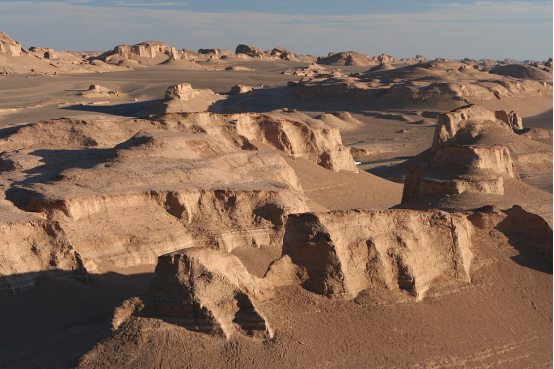
The Lut Desert is characterized by a series of distinct geographical zones, each contributing to its extreme environment. The eastern part is a low plateau covered by salt flats, while the central part is known as the “Rig-e Yalan” or “Kavir-e Lut,” dominated by massive sand dunes and ridges. The western part features a series of parallel ridges and furrows, known as yardangs. These spectacular, wind-eroded landforms can reach heights of up to 155 meters (500 feet) and stretch for tens of kilometers, creating a labyrinthine landscape that channels and intensifies heat. The basin’s low elevation, coupled with the surrounding mountains, creates a natural trap for heat, exacerbating the already severe conditions.
- Yardangs: These aerodynamic landforms are sculpted by strong, persistent winds eroding softer rock layers, leaving behind harder, more resistant material. Their dark surfaces absorb immense solar radiation, significantly contributing to the high ground temperatures. The scale and density of the yardangs in Lut are unparalleled globally, forming a dramatic and unique geological spectacle.
- Salt Plains (Kavir): Large areas are covered by salt marshes and ephemeral lakes, which dry up to form vast, reflective salt crusts. While seemingly cooler due to reflection, the surrounding terrain can still reach extreme temperatures, particularly where darker sediment is exposed. These salt flats indicate ancient water bodies that have long since evaporated.
- Absence of Vegetation: The extreme aridity and heat mean there is virtually no vegetation, preventing evaporative cooling and contributing to the desert’s high albedo in some areas and intense heat absorption in others. This lack of plant life further amplifies the ground heating effect, creating an environment often described as abiotic due to the near-total absence of macroscopic life.
The combination of these factors—low elevation, a basin-like structure trapping hot air, dark rocky surfaces absorbing solar radiation, and minimal vegetation—creates a perfect storm for record-breaking heat. The Lut Desert is not merely hot; it represents a pinnacle of terrestrial thermal extremes, serving as a critical natural laboratory for studying geomorphological processes under hyper-arid conditions.

Death Valley: North America’s Furnace
Across the globe, in the Mojave Desert of California and Nevada, lies another contender for the title of Earth’s hottest place: Death Valley. This iconic desert valley holds the record for the highest air temperature ever recorded, a staggering 56.7 degrees Celsius (134 degrees Fahrenheit) on July 10, 1913, at Furnace Creek. While the Lut Desert holds the ground temperature record, Death Valley’s air temperature record makes it a globally recognized symbol of extreme heat. Designated a National Park, Death Valley is a land of superlatives, encompassing the lowest point in North America, Badwater Basin, at 86 meters (282 feet) below sea level. Its geological history is marked by tectonic activity, forming a deep graben that intensifies its already arid conditions.
Geological Wonders and Unique Ecosystems
Death Valley’s extreme conditions are largely due to its unique geological setting. It is a long, narrow basin, bordered by tall, steep mountain ranges (the Amargosa Range to the east and the Panamint Range to the west). This basin-and-range topography creates a phenomenon known as the “rain shadow effect” and air compression, both contributing to its intense aridity and heat. As moist air from the Pacific Ocean rises over the Sierra Nevada and Panamint Mountains, it cools and drops its moisture, leaving the air descending into Death Valley extremely dry and hot. This adiabatic heating is a primary driver of the valley’s furnace-like temperatures.
- Badwater Basin: This vast salt flat is the lowest point in North America and a major tourist attraction. During summer, the salt surface can reach extreme temperatures, often exceeding 60°C (140°F), and contributes significantly to the overall heat of the valley. The basin is a remnant of ancient Lake Manly, which dried up thousands of years ago, leaving behind thick salt deposits.
- Devil’s Golf Course: An immense salt pan made of jagged, crystalline salt formations, so rough that “only the devil could play golf on it.” This area further exemplifies the extreme evaporative conditions and the harsh beauty of the valley, where salt crystals continually grow and erode.
- Racetrack Playa: Famous for its mysterious “sailing stones” that move across the dry lakebed, leaving trails behind them. This phenomenon, now largely understood to be driven by ice sheets and wind, highlights the subtle yet powerful forces at play in this unique environment, demonstrating that even in extreme aridity, dynamic geological processes are active.
Despite its harsh name and extreme temperatures, Death Valley supports a surprising array of life. Plants like the creosote bush and desert holly have evolved mechanisms to survive the arid conditions, such as deep taproots and waxy leaves. Animals such as the desert tortoise, coyotes, and various species of rodents and birds find ways to cope, often by being nocturnal or aestivating (a form of dormancy similar to hibernation). The presence of perennial springs and oases, like Furnace Creek and Scotty’s Castle, provides crucial refugia for these resilient species, sustaining unique biodiversity, including the endangered Devil’s Hole pupfish.

Factors Contributing to Extreme Desert Heat
Both the Lut Desert and Death Valley share a confluence of geographical and meteorological factors that elevate them to the status of Earth’s hottest places. Understanding these mechanisms is crucial to comprehending the physics behind such extreme thermal conditions. It’s a complex interaction where topography, atmospheric dynamics, and solar radiation combine to create unparalleled heat.
Key Environmental Mechanisms
The intense heat in these regions is not simply a matter of being close to the equator; it’s a complex interplay of several factors that amplify and trap heat within their respective basins:
- Topography and Basin Effect: Both locations are deep basins or valleys surrounded by high mountains. Air descending into these basins becomes compressed and heats up (adiabatic heating). Once trapped, this hot air has difficulty escaping, leading to a cumulative heating effect. Death Valley, being a graben (a down-dropped block of the Earth’s crust), exemplifies this, with the surrounding mountain ranges creating a pronounced “heat sink” effect.
- Aridity and Lack of Moisture: Extremely low humidity is a hallmark of these deserts. With little to no water vapor in the air, there is no cloud cover to reflect solar radiation, allowing