The Diverse Appeal of World-Class Coastal Destinations
The allure of the coast extends far beyond simple sunbathing. From the urban-coastal fusion of San Francisco’s Pacific edge to the serene, bio-luminescent dreams of the Maldives, beaches serve as both recreational hubs and cultural anchors. Understanding the specific “texture” of a beach—whether it be the social energy of Miami’s South Beach or the spiritual, artistic rhythm of Bali—is essential for any traveler looking to move beyond surface-level tourism.
Geographical and Cultural Variance
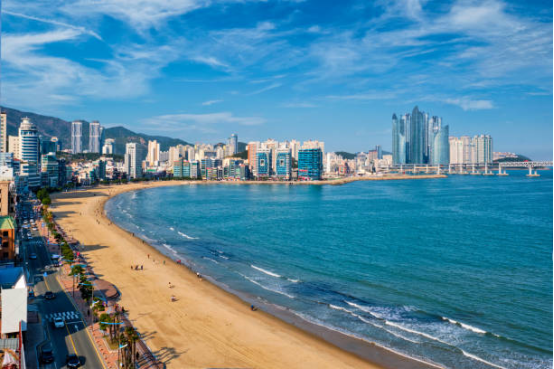
Coastal environments are defined by their unique interaction between land and sea. In places like Busan’s Haeundae, the beach acts as a natural wonder that bridges traditional Korean heritage with modern metropolitan life. In contrast, the repetitive appeal of Cancun lies in its highly developed infrastructure and consistent tropical climate, which cater to both high-energy adventure and restorative relaxation.
- Urban-Coastal Integration: Destinations like San Francisco and Busan offer seamless access to city amenities while maintaining distinct natural shorelines.
- Tropical Paradises: Locations such as the Maldives and Bali prioritize the immersive, slow-paced “texture of life,” where the environment dictates the daily rhythm.

Strategic Planning for Coastal Excursions
To maximize the utility of a coastal trip, one must consider the micro-climates and peak seasons specific to each region. For instance, the fog-laden beauty of Baker Beach in San Francisco requires a different packing strategy compared to the humid, sun-drenched sands of Miami. Effective planning involves analyzing the local infrastructure and the intended purpose of the visit, whether it be water sports, photography, or cultural immersion.
Optimizing Your Coastal Experience
When visiting highly popular destinations like Cancun or South Beach, the volume of visitors necessitates a strategic approach to timing. Arriving during shoulder seasons or planning activities for early mornings can drastically improve the quality of the experience.
| Destination | Primary Appeal | Travel Tip |
|---|---|---|
| Maldives | Seclusion & Luxury | Book overwater bungalows well in advance. |
| Bali | Culture & Surf | Explore inland areas for a complete experience. |
| Miami | Nightlife & Art | Visit the Art Deco district during the day. |

The Psychological and Physical Benefits of Beach Tourism
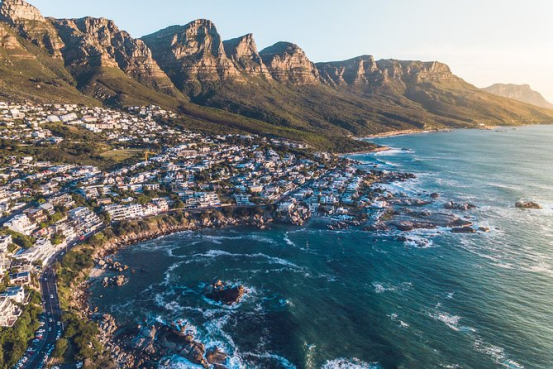
The “Blue Mind” theory suggests that proximity to water induces a meditative state, reducing stress and increasing cognitive function. This is particularly evident in destinations that offer expansive views and quiet, rhythmic waves. Whether it is the soft white sand of the Maldives or the dramatic cliffs of the California coast, the physical environment of a beach provides a necessary reset for the modern, over-stimulated mind.
Deepening the Connection to Nature
Beyond the aesthetic, the beach acts as a space for physical activity—surfing in Bali, swimming in Busan, or long walks on Ocean Beach. These activities facilitate a deeper, more tactile connection with the environment, allowing travelers to move from being mere observers to active participants in the coastal ecosystem.

Frequently Asked Questions (FAQ)
- Q1: What is the best time of year to visit tropical beach destinations like the Maldives?
- The dry season, typically from November to April, offers the most consistent sunshine and clear waters, making it ideal for snorkeling and diving.
- Q2: How does the coastal experience in San Francisco differ from tropical locations?
- San Francisco beaches are characterized by rugged beauty, cooler temperatures, and strong currents, making them better suited for sightseeing and hiking rather than traditional swimming.
- Q3: Why do travelers return to places like Cancun repeatedly?
- The high level of service, diverse range of activities—from nightlife to ancient Mayan ruins—and consistent weather create a reliable, high-value vacation experience that is difficult to replicate elsewhere.
- Q4: Is Bali suitable for non-surfers?
- Absolutely. Bali’s beach culture is deeply tied to its spiritual life, offering vibrant art markets, wellness retreats, and unique architectural landmarks that transcend surfing.