Essential Survival Strategies for the Gobi Desert
The Gobi Desert represents one of the most challenging environments on Earth, characterized by extreme temperature fluctuations, sparse water sources, and unpredictable weather patterns. Successful exploration requires a rigorous approach to preparation, gear selection, and physiological management.
Hydration and Thermal Regulation
In the arid climate of the Gobi, water loss occurs rapidly, often without immediate sensation of thirst. Travelers must prioritize a strict hydration schedule to avoid heat exhaustion and heatstroke.
- Water Rationing: Do not wait until you are thirsty to drink. Consume small amounts of water at regular intervals throughout the day.
- Electrolyte Balance: Intense heat leads to significant salt loss via perspiration. Supplementing water with electrolyte powders is critical to maintaining cognitive and physical function.
- Clothing Choice: Opt for loose-fitting, light-colored synthetic fabrics that reflect solar radiation while allowing for optimal sweat evaporation.

Navigational Challenges and Safety Protocols
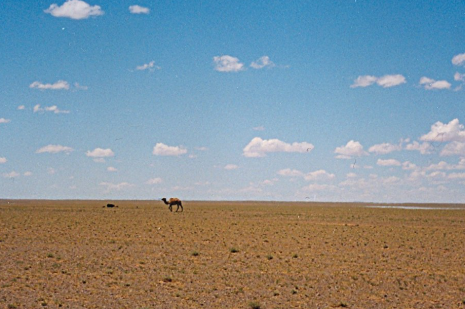
Navigating the vast, featureless plains of the Gobi requires more than just a compass. The landscape can shift due to high winds, and traditional landmarks may be obscured by sandstorms or heat haze.
Advanced Navigation Techniques
Modern explorers must integrate traditional orienteering with digital precision to ensure safe transit through the Gobi’s interior.
- Redundant Systems: Always carry a physical map, a magnetic compass, and a GPS device with offline topographical data.
- Sandstorm Protocol: During high-wind events, visibility can drop to near zero. Seek shelter immediately, cover your mouth and nose to prevent sand inhalation, and remain stationary until the storm passes.
- Communication: Satellite messaging devices are mandatory, as cellular coverage is non-existent in the deep desert.

The Scientific Mystery of Singing Dunes
Beyond the survival challenges, the desert offers unique geological phenomena, most notably the singing dunes—sands that produce low-frequency, booming sounds. This acoustic marvel has fascinated travelers for centuries.
Mechanisms of Acoustic Emission
The “song” of the dunes is not a supernatural occurrence but a result of specific physical properties of sand grains and their interaction under stress.
| Factor | Requirement for Singing |
|---|---|
| Grain Shape | Must be near-spherical and contain silica. |
| Surface Texture | Grains must have a coating of silica or iron oxides. |
| Humidity | Low humidity is essential for the friction required to create sound. |
When sand grains slide over one another in a dry environment, the friction creates vibrations. If the grains are uniform in size, these vibrations synchronize, creating a coherent, amplified sound that can reach up to 105 decibels.

Geological and Environmental Conditions
The environmental context of the Gobi significantly influences both survival risks and the prevalence of unique phenomena like singing sands. Understanding the geological composition of the region allows explorers to better predict terrain stability and water availability.
Terrain Analysis and Safety
Not all desert surfaces are created equal. Distinguishing between gravel plains (Gobi) and shifting dunes is vital for vehicle and foot travel.
- Gravel Plains: Provide stable footing but offer zero shade. Heat radiation from the ground can be intense.
- Dune Fields: High energy expenditure is required to traverse, and they can mask deep crevices or unstable slopes.
Frequently Asked Questions (FAQ)
- Q1: Why do desert dunes sing?
- The sound is created by the friction of uniform, dry, spherical sand grains sliding against each other. This creates synchronized vibrations that resonate at a low frequency, producing a booming or “singing” sound.
- Q2: What is the most critical survival gear for the Gobi?
- Aside from high-calorie food and water, a satellite communication device and a high-quality, wide-brimmed hat to protect against UV radiation are non-negotiable.
- Q3: How do I identify if a dune is about to ‘sing’?
- Singing is typically triggered by human movement, wind, or small avalanches on the dune face. If you are climbing a dune and feel the sand shifting beneath you, you may trigger the acoustic phenomenon.
- Q4: Can I safely drink water found in the desert?
- No. Any water source found in the desert should be treated as contaminated. Always carry your own supply or use advanced filtration and purification tablets.