Understanding Pepper Varieties and The Science of Spiciness
Growing peppers is both an art and a science. Whether you are aiming for the sweet crunch of a bell pepper or the fiery heat of a habanero, understanding the foundational biology of pepper plants is crucial. The spiciness of a pepper is determined by a chemical compound called capsaicin, which is primarily concentrated in the white pith or ribs of the pepper, rather than the seeds themselves.
The Evolutionary Purpose of Heat
Capsaicin naturally developed in wild peppers as a defense mechanism against mammals, whose digestive tracts would destroy the seeds. Birds, however, do not possess the receptors to feel the heat, allowing them to eat the peppers and disperse the seeds intact. When cultivating peppers, environmental stressors such as high temperatures and lower water availability can actually increase capsaicin production, resulting in a spicier harvest.
Sweet vs. Hot Peppers Comparison
| Pepper Type | Scoville Heat Units (SHU) | Ideal Growing Climate | Primary Culinary Use |
|---|---|---|---|
| Bell Pepper | 0 | Moderate to Warm | Salads, Roasting, Stuffing |
| Jalapeno | 2,500 – 8,000 | Warm and Sunny | Salsas, Pickling, Poppers |
| Habanero | 100,000 – 350,000 | Hot and Humid | Hot Sauces, Jerk Marinades |
| Carolina Reaper | 1,500,000+ | Very Hot, Long Season | Extreme Hot Sauces, Extracts |
Essential Soil Preparation and Environmental Needs
To achieve maximum fruitfulness, pepper plants require a highly specific environment. They thrive in well-draining, loamy soil rich in organic matter. Poor drainage can lead to root rot, which is one of the most common reasons pepper harvests fail.
Perfecting Soil pH and Nutrient Balance
Peppers prefer a slightly acidic soil pH, ideally between 6.0 and 6.8. Before planting, it is highly recommended to test your soil and amend it with compost or aged manure. Additionally, calcium is a critical nutrient for peppers. A lack of calcium, often exacerbated by inconsistent watering, leads to Blossom End Rot—a condition where the bottom of the pepper turns black and sinks in.
Pro Tips for Soil Optimization
- Add crushed eggshells or bone meal to the planting hole to provide a slow-release calcium source.
- Mix in perlite or coarse sand if your garden has heavy clay soil to improve aeration and drainage.
- Apply a two-inch layer of organic mulch around the base of the plant to regulate soil temperature and retain moisture.
Seed Germination and Transplanting Techniques
Because peppers have a long growing season, seeds must typically be started indoors 8 to 10 weeks before the last expected frost date. The germination process requires patience and precise temperature control.
Step-by-Step Germination Process
Pepper seeds are notorious for slow germination, sometimes taking up to three weeks. Using a seedling heat mat is one of the most effective ways to speed up this process. The soil temperature should be maintained between 80 and 85 degrees Fahrenheit. Once the seedlings develop their first set of true leaves, they require intense light to prevent them from becoming leggy and weak.
Hardening Off and Transplanting
Never move pepper seedlings directly from an indoor environment to the garden. They must undergo a hardening-off process. Over the course of 7 to 10 days, gradually expose the plants to outdoor sunlight and wind for increasing amounts of time. When transplanting, space the plants 18 to 24 inches apart to ensure adequate airflow, which helps prevent fungal diseases.
Advanced Pruning and Maintenance for Maximum Yield
While many gardeners let their peppers grow wild, strategic pruning and consistent maintenance will drastically improve both the size of the harvest and the quality of the fruit.
The Topping Technique
Topping involves snipping off the uppermost growing point of a young pepper plant when it is about 6 to 8 inches tall. This forces the plant to send out lateral branches, creating a bushier plant with a stronger main stem. A bushier plant produces more blossoms, which ultimately leads to a higher yield of peppers. It also provides better foliage cover, protecting the developing fruit from sunscald.
Pepper Plant Troubleshooting Checklist
- Check leaves daily for aphids and treat early with neem oil or insecticidal soap.
- Ensure the plant receives 1 to 2 inches of water per week, delivered at the base to keep leaves dry.
- Pinch off early blossoms if the plant is still small, forcing it to direct energy into root and foliage growth first.
- Stake heavy-yielding plants early to prevent branches from snapping under the weight of mature fruit.
Frequently Asked Questions (FAQ)
- Why are my pepper plant leaves turning yellow?
- Yellowing leaves are typically a sign of overwatering or poor soil drainage, which deprives the roots of oxygen. It can also indicate a nitrogen deficiency. Ensure your soil drains well and allow the top inch of soil to dry out between waterings.
- How can I make my hot peppers even spicier?
- To increase capsaicin production, you can induce mild stress on the plant once the fruits have formed. This includes reducing watering slightly and allowing the peppers to fully ripen and change color on the vine before harvesting.
- Why are my pepper plants dropping their flowers?
- Blossom drop is usually caused by temperature extremes. If daytime temperatures exceed 90 degrees Fahrenheit or nighttime temperatures drop below 60 degrees Fahrenheit, the plant may abort its flowers. Inconsistent watering can also trigger blossom drop.
- Do pepper plants need full sun?
- Yes, pepper plants require full sun to thrive. They need a minimum of 6 to 8 hours of direct, unfiltered sunlight every day to produce strong stems and a bountiful harvest.
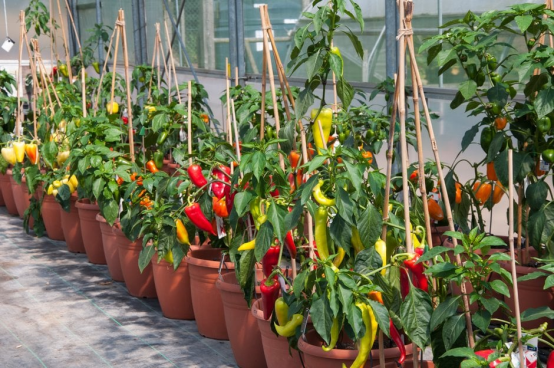
- Can I grow peppers in containers?
- Absolutely. Peppers do exceptionally well in containers. Ensure the pot is at least 12 inches deep and has adequate drainage holes. Container-grown peppers may require more frequent watering and fertilizing than those planted in the ground.