Strategic Seed Selection and Variety Planning
Tomato farming begins long before the first shovel hits the dirt. The foundation of a successful crop lies in selecting the right variety for your specific climate zone and growth environment. Whether you are aiming for indeterminate heirloom varieties or determinate bush-type plants, understanding the genetic potential of your seeds is crucial.
Determinate vs. Indeterminate Varieties
Determinate tomatoes grow to a fixed size and ripen their fruit within a concentrated window, making them ideal for canning and small spaces. Indeterminate varieties continue to grow and produce fruit throughout the entire season until the first frost, requiring more intensive staking and pruning.

Soil Preparation and Nutrient Management
Tomatoes are heavy feeders that require nutrient-dense, well-draining soil to thrive. The ideal pH for tomato plants ranges between 6.0 and 6.8. Preparing your soil with organic matter such as compost or well-rotted manure improves soil structure and water retention.
Essential Soil Amendments
- Calcium: Prevents blossom end rot.
- Phosphorus: Promotes robust root development and flowering.
- Potassium: Enhances disease resistance and fruit quality.

Advanced Irrigation and Maintenance Techniques
Consistency is the secret to avoiding common physiological disorders like fruit cracking. Irregular watering causes the fruit to expand too rapidly, splitting the skin. Drip irrigation is highly recommended to keep foliage dry, which significantly reduces the risk of fungal pathogens like blight.
| Technique | Benefit |
|---|---|
| Mulching | Retains moisture and suppresses weeds |
| Staking | Improves air circulation and prevents rot |
| Pruning | Directs energy toward fruit production |

Harvesting for Peak Flavor and Quality
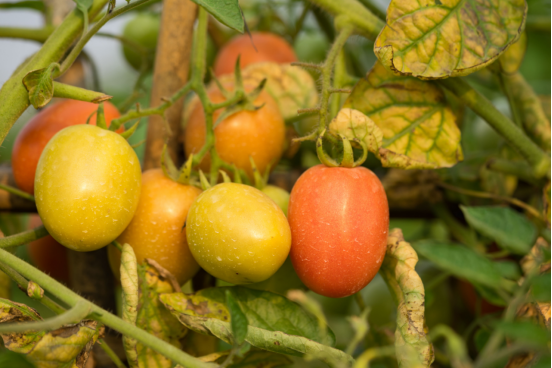
Knowing when to harvest is a skill developed through observation. While many growers wait for the fruit to turn deep red on the vine, harvesting at the “breaker stage” (when the tomato shows a pinkish hue) can protect the crop from pests and extreme weather without sacrificing flavor.
Frequently Asked Questions (FAQ)
- Why are the bottoms of my tomatoes turning black?
- This is likely Blossom End Rot, caused by a calcium deficiency often triggered by inconsistent watering or soil pH imbalances.
- How often should I water my tomato plants?
- Aim for deep, consistent watering once or twice a week, depending on heat levels. The soil should remain moist but never waterlogged.
- Should I prune my tomato plants?
- Yes, removing “suckers” (small shoots in the leaf axils) helps the plant focus energy on fruit development and improves airflow.
- What is the best way to prevent blight?
- Practice crop rotation, use mulch to prevent soil-borne pathogens from splashing onto leaves, and ensure adequate spacing between plants.