Understanding the Timeless Appeal of the Cotswolds
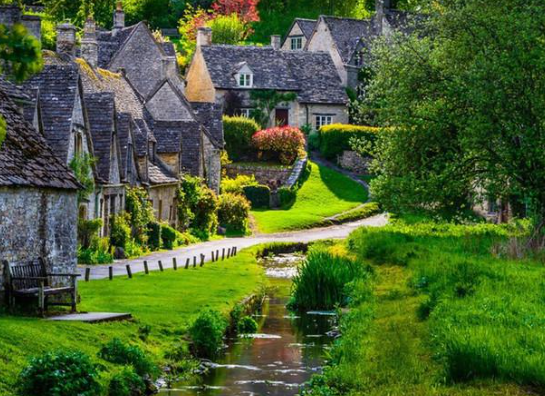
The Cotswolds is more than just a geographic region; it is a living museum of English heritage. Spanning nearly 800 square miles across five counties, this Area of Outstanding Natural Beauty (AONB) is defined by its unique Jurassic limestone, which gives the local architecture its signature warm, honey-colored glow.
The Geological Significance
The beauty of the region is rooted in its geology. The limestone, formed millions of years ago, has been quarried for centuries, creating the iconic cottages that define the Cotswold aesthetic. Understanding this history helps travelers appreciate why these villages have remained preserved in time.

Top Villages and Hidden Gems to Visit
While villages like Bourton-on-the-Water and Castle Combe are famous, the region offers a diverse array of experiences ranging from bustling market towns to quiet, secluded hamlets.
Must-Visit Destinations
- Castle Combe: Often cited as the prettiest village in England, perfect for photography.
- Bibury: Famous for Arlington Row, a series of 14th-century weaver cottages.
- Stow-on-the-Wold: A historic market town ideal for antique shopping and local dining.
| Village Type | Best For | Vibe |
|---|---|---|
| Market Towns | Shopping & Dining | Bustling |
| Hidden Hamlets | Peace & Hiking | Secluded |
| Tourist Hubs | Sightseeing | Active |

Strategic Travel Tips for the Perfect Cotswold Getaway
Navigating the Cotswolds requires a blend of planning and spontaneity. Because the region is rural, transport options can be limited, making a car the most effective way to see the hidden corners of the countryside.
Expert Advice for Travelers
To avoid the peak summer crowds, consider visiting during the “shoulder seasons” of May or September. The weather is generally mild, and the village lanes are far less congested.
Common Pitfalls to Avoid
- Relying solely on public transport between small villages.
- Attempting to see too many locations in a single day.
- Ignoring local walking trails in favor of only staying in the village centers.
Frequently Asked Questions (FAQ)
- What is the best time of year to visit the Cotswolds?
- Spring and early autumn offer the best balance of pleasant weather and fewer tourists, allowing for a more authentic experience.
- Do I need a rental car to explore the region?
- While some larger towns are connected by bus, a car is highly recommended to access the most picturesque, remote villages and scenic viewpoints.
- What is the signature architecture of the Cotswolds?
- The region is famous for its honey-colored limestone buildings, which were historically constructed from local stone quarried within the area.
- Are the Cotswolds suitable for hiking?
- Absolutely. The Cotswold Way is a 102-mile long-distance footpath that offers some of the most stunning walking terrain in the United Kingdom.