Architectural Marvels and Historical Foundations
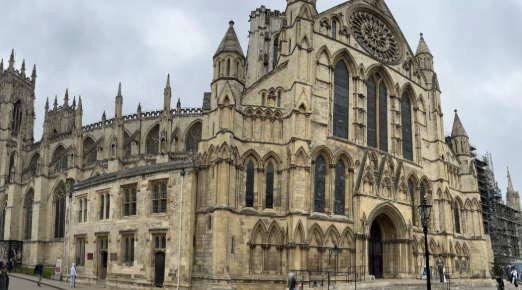
The United Kingdom serves as a living museum, where architectural evolution spans from Roman engineering to Gothic revival. Visitors can trace the timeline of human civilization by visiting sites like York Minster, a masterpiece of medieval craftsmanship, and the Bodleian Libraries in Oxford, which house centuries of academic wisdom within their hallowed, stone-carved walls.
The Medieval Grandeur of York Minster
York Minster stands as one of the largest cathedrals in Northern Europe. Its stained glass, particularly the Great East Window, represents the pinnacle of 15th-century artistry. The structure is not merely a building but a narrative of religious and political power shifts in northern England.
Oxford and Cambridge: Academic Gothic
The university towns of Oxford and Cambridge offer a glimpse into the intellectual history of the world. At Oxford, the Bodleian Library remains one of the oldest in Europe, requiring visitors to navigate through narrow, atmospheric corridors that feel frozen in time. In Cambridge, the traditional activity of punting allows for a unique vantage point of the historic college backs, providing a perspective of the architecture that is rarely captured from the street level.

Cultural Treasures and World-Class Museums
London acts as the global hub for cultural preservation. The British Museum alone holds a collection of approximately 8 million objects, detailing the entirety of human history. Understanding how to navigate such a vast collection requires a strategic approach to the “must-see” artifacts that define our global heritage.
Key Treasures of the British Museum
- The Rosetta Stone: The critical key to deciphering Egyptian hieroglyphs.
- The Elgin Marbles: Sculptural elements from the Parthenon in Athens.
- The Sutton Hoo Helmet: An iconic symbol of Anglo-Saxon history.
Beyond the antiquities, modern art finds its home at the Tate Modern. Housed in a former power station, the museum transforms industrial space into a canvas for contemporary expression, where every corner serves as a photographic opportunity for art enthusiasts.

Royal Legacy and Military Fortresses
The British monarchy is inextricably linked to the physical landscape of the UK. From the defensive walls of Edinburgh Castle to the ceremonial gates of Buckingham Palace, these sites represent the shifting nature of power in Britain.
Edinburgh Castle: The Volcanic Stronghold
Perched atop Castle Rock, an extinct volcanic crag, Edinburgh Castle has withstood numerous sieges over a millennium. It is not only a military installation but also the site of the Honours of Scotland, the oldest Crown Jewels in the British Isles.
Buckingham Palace Ceremonies
The Changing of the Guard ceremony at Buckingham Palace is a ritual of precision and discipline. It serves as a stark reminder of the continuity of the British state, drawing thousands of visitors daily to witness the iconic red tunics and bearskin caps.

Landmarks Along the Thames
The River Thames has been the lifeblood of London for two millennia. Two structures, in particular, anchor the city’s identity: London Bridge and Big Ben.
Engineering the Thames
London Bridge has been reconstructed several times, evolving from a wooden crossing to the stone marvel of the Middle Ages, and finally to its current modern iteration. It represents the resilience of London’s infrastructure.
The Chimes of Big Ben
Big Ben, the nickname for the Great Bell of the clock at the Palace of Westminster, is perhaps the most recognizable acoustic landmark in the world. The Victorian Gothic design of the Elizabeth Tower remains a symbol of parliamentary democracy.
Frequently Asked Questions (FAQ)
- Q1: What is the best way to see the British Museum?
- Because the museum contains 8 million items, it is impossible to see everything in one visit. Focus on the main floor galleries first, prioritizing the Rosetta Stone and the Parthenon Sculptures, and allow at least four hours for a meaningful experience.
- Q2: Do I need to book tickets for university tours in Oxford?
- While the town is open, access to specific libraries like the Bodleian often requires guided tour bookings. It is recommended to check the official university websites at least two weeks before your visit.
- Q3: Is the Changing of the Guard held every day?
- No, the schedule varies by season and security requirements. Always check the official British Army website for the current schedule to avoid disappointment.
- Q4: What is the significance of the Roman baths in the city of Bath?
- The Roman Baths represent one of the best-preserved ancient spa complexes in the world. They demonstrate the sophisticated engineering of the Roman Empire, utilizing natural thermal springs that have been active for over 2,000 years.