Nestled within the breathtaking expanse of Chilean Patagonia, Paradise National Park stands as a testament to nature’s unparalleled artistry. Far from just another protected area, this park is a vital ecological corridor, a geological marvel, and a sanctuary for some of the continent’s most iconic wildlife. This ultimate guide transcends a simple overview, delving into the deep ecological significance, the historical context of its preservation, and the intricate details necessary to plan an immersive and responsible visit. From the soaring peaks of the Andes to the ancient forests and pristine glaciers, Paradise National Park offers an experience that is both profoundly humbling and exhilarating. We will explore not just what to see, but the ‘why’ behind its existence, the ‘how’ of navigating its vastness, and the ‘impact’ of responsible tourism on its delicate balance. Prepare to unlock the secrets of a truly unique global nature destination.
Unveiling Paradise National Park: Chile’s Hidden Gem
Paradise National Park, while perhaps less globally renowned than some of its Patagonian counterparts, holds a distinct charm and ecological importance that warrants its status as a premier global nature destination. Its designation as a national park was a pivotal moment in Chilean conservation history, driven by a growing understanding of the region’s unique biodiversity and the need to protect its pristine wilderness from encroaching human development. Established in the mid-20th century, the park represents a successful marriage of scientific conservation principles and indigenous land stewardship insights, aiming to preserve not just the landscape but also the delicate balance of its ecosystems. The “why” behind its protection lies in its role as a critical refuge for endangered species, a living laboratory for climate change research, and a spiritual haven for those seeking solace in untouched nature. It serves as a crucial benchmark for environmental health in the broader Patagonian region.
The Historical Context of Conservation
The journey to establishing Paradise National Park was fraught with challenges, mirroring the global struggle for wilderness preservation. Early efforts were spearheaded by local naturalists and international conservationists who recognized the rapid degradation of natural habitats due to logging, mining, and unchecked agricultural expansion. The concept of a “national park” in Chile evolved from a desire to protect natural resources for future generations, moving beyond mere resource extraction to valuing intrinsic ecological worth. The park’s boundaries were meticulously drawn to encompass diverse biomes, from high-alpine deserts to temperate rainforests, ensuring a comprehensive protective umbrella. This historical foundation underscores the park’s enduring legacy as a symbol of Chile’s commitment to environmental stewardship.

Geographical Grandeur and Unique Ecosystems
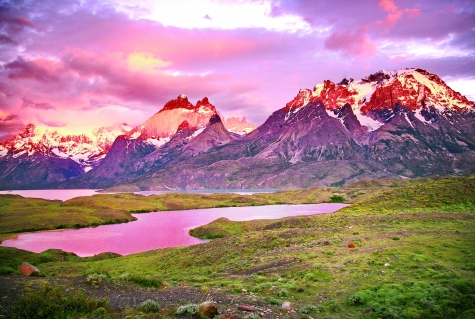
The topography of Paradise National Park is a dramatic canvas painted by millennia of geological activity. Situated primarily within the Andean mountain range, its landscape is characterized by jagged peaks, deep glacial valleys, pristine rivers, and sprawling lakes. This geographical diversity gives rise to an astonishing array of ecosystems, each supporting distinct flora and fauna. The park acts as a crucial “biodiversity hotspot,” a term used to describe regions with high levels of endemic species that are also under threat. Understanding these ecosystems is key to appreciating the park’s intricate web of life.
Andean Peaks and Glacial Formations
The towering Andes define much of the park’s western frontier, with several peaks exceeding 3,000 meters. These mountains are not merely scenic backdrops; they are the architects of the park’s climate and hydrology. Glaciers, remnants of past ice ages, cling to the higher elevations, feeding the numerous rivers and lakes that crisscross the park. The meltwater from these glaciers is the lifeblood of the Patagonian ecosystem, providing fresh water downstream and regulating temperatures. The geological processes, including uplift and erosion, continue to shape the landscape, creating unique rock formations and contributing to the region’s seismic activity. Visitors often witness the raw power of nature in these dynamic landscapes.
Valdivian Temperate Rainforests
On the park’s western flanks, where moisture-laden Pacific winds meet the Andes, lies a segment of the Valdivian temperate rainforest. This rare and ancient forest type is a global treasure, characterized by its dense canopy, abundant epiphytes (plants growing on other plants), and a rich understory. Species like the Alerce (Fitzroya cupressoides), one of the longest-living trees on Earth, find sanctuary here. The Valdivian rainforest is a prime example of a “refugia,” an area where species survived during periods of climate change, leading to high levels of endemism. The intricate fungal networks and mosses create a magical, almost primordial atmosphere, highlighting the park’s diverse ecological zones.

Top Attractions and Must-Do Activities
Paradise National Park offers an unparalleled array of attractions and activities designed to immerse visitors in its natural splendor. From challenging multi-day treks to serene lake cruises, there’s an adventure for every type of traveler. The key is to understand the scope and demands of each activity to ensure a safe and rewarding experience.
Iconic Hiking Trails and Trekking Routes
The park boasts a network of well-maintained trails ranging from easy day hikes to strenuous multi-day treks. The most famous include the “Laguna Escondida Loop,” a moderate 6-hour hike offering panoramic views of glacial lakes, and the challenging “Cerro Condor Traverse,” a 3-day expedition for experienced trekkers requiring permits and proper gear. Each trail is meticulously marked, but conditions can change rapidly due to weather.
- Laguna Escondida Loop: A popular day hike (18 km, 6-7 hours) with moderate elevation gain, leading to a stunning turquoise lake. Tips: Start early, carry enough water, and watch for Andean condors. Pitfalls: Sudden weather changes, slippery sections after rain.
- Cerro Condor Traverse: A strenuous 3-day, 2-night trek (45 km) crossing high mountain passes. Tips: Essential to have advanced trekking experience, proper navigation tools, and cold-weather gear. Pitfalls: Requires permits, challenging river crossings, potential for snow even in summer.
- Valdivian Forest Walk: An easy 2-hour interpretive trail through the ancient rainforest, ideal for wildlife viewing and understanding the local ecosystem. Tips: Bring binoculars for birdwatching, wear waterproof footwear. Pitfalls: Can be muddy after rain, insects active during warmer months.
Wildlife Viewing and Photography Opportunities
The park is a haven for diverse wildlife, offering incredible opportunities for observation and photography. Key species include the elusive Puma (mountain lion), the majestic Andean Condor, Guanacos (wild relatives of llamas), and a variety of deer species like the Huemul (Andean deer), which is Chile’s national animal. Birdwatchers will revel in the chance to spot Magellanic Woodpeckers, various raptors, and aquatic birds around the lakes.
Pro Tip: Patience is paramount when seeking wildlife. Early mornings and late afternoons are generally the best times. Maintain a respectful distance and never feed wild animals. A telephoto lens is highly recommended for capturing high-quality images without disturbing the animals. Understanding animal behavior patterns can significantly increase your chances of a successful sighting.

Planning Your Unforgettable Visit
A trip to Paradise National Park requires careful planning to ensure a smooth, safe, and enjoyable experience. Given its remote location and the variability of Patagonian weather, preparation is key. This section covers the essential logistics, from the best time to visit to accommodation options and crucial gear.
Best Time to Visit and Weather Considerations
The peak season for visiting Paradise National Park is during the Patagonian summer, from December to March. During these months, temperatures are milder (though still variable), days are longer, and most trails are accessible. However, this is also when the park experiences the highest number of visitors, and winds can be notoriously strong. The shoulder seasons (October-November and April-May) offer fewer crowds and stunning autumn colors, but weather can be more unpredictable, with possibilities of early snow or heavy rain. Winter (June-September) transforms the park into a snowy wonderland, ideal for experienced winter sports enthusiasts, but many areas become inaccessible, and services are limited.
Weather Pitfalls: Patagonia is famous for experiencing “four seasons in one day.” Be prepared for sun, wind, rain, and even snow, regardless of the time of year. Always check local forecasts immediately before and during your visit, but understand that conditions in the mountains can differ significantly from valley predictions.
Accommodation, Permits, and Transportation
Accommodation within or near the park ranges from basic campsites to more comfortable refugios (mountain lodges) and a few boutique hotels in nearby towns. Booking well in advance, especially for peak season, is crucial.
- Permits: Most day hikes do not require permits, but multi-day treks, backcountry camping, and specific restricted zones often do. These must be obtained in advance from the park’s administrative offices or online portals. Failure to secure permits can result in fines or denied access.
- Transportation: The nearest major town with an airport is El Calafate (Argentina) or Puerto Natales (Chile), requiring further bus or private transfer to reach the park entrance. Within the park, some areas are accessible by vehicle, but many require hiking. Consider renting a 4×4 if planning extensive exploration on unpaved roads.
- Food & Supplies: While some refugios offer meals, it’s advisable to carry your own food, especially for longer treks. Pack light, non-perishable, and high-energy foods. Water sources are generally plentiful but always filter or treat water from natural sources.

Conservation Efforts and Sustainable Tourism
The long-term survival of Paradise National Park’s unique ecosystems hinges on robust conservation efforts and the practice of sustainable tourism. The park is not just a destination; it’s a living laboratory and a global heritage site facing continuous threats from climate change, invasive species, and human impact. Understanding your role as a responsible visitor is paramount.
Challenges and Strategies for Preservation
Paradise National Park confronts several significant conservation challenges. Climate change is leading to glacial retreat, altered precipitation patterns, and increased wildfire risk, directly impacting water resources and forest health. Invasive species, introduced accidentally or intentionally, compete with native flora and fauna, disrupting delicate ecological balances. Furthermore, the increasing popularity of the park, while economically beneficial, places pressure on trails, waste management systems, and wildlife habitats.
Conservation strategies include:
- Research & Monitoring: Continuous scientific research helps track environmental changes and inform management decisions.
- Reforestation & Habitat Restoration: Projects aimed at restoring degraded areas and expanding critical habitats.
- Invasive Species Control: Programs to identify, control, and eradicate non-native species.
- Community Engagement: Working with local communities to foster a sense of ownership and involvement in conservation.
- Visitor Management: Implementing trail limits, permit systems, and educational programs to minimize human impact.
Leave No Trace Principles
Adhering to “Leave No Trace” principles is fundamental for sustainable tourism in Paradise National Park. These seven principles provide a framework for ethical outdoor conduct:
- Plan Ahead & Prepare: Know the regulations, prepare for weather, and carry appropriate gear.
- Travel & Camp on Durable Surfaces: Stick to established trails and campsites to minimize erosion.
- Dispose of Waste Properly: Pack it in, pack it out. This includes all trash, food scraps, and human waste.
- Leave What You Find: Do not disturb historical artifacts, natural objects, or vegetation.
- Minimize Campfire Impacts: Use established fire rings, keep fires small, and ensure they are completely out.
- Respect Wildlife: Observe from a distance, never feed animals, and store food securely.
- Be Considerate of Other Visitors: Respect solitude, keep noise levels down, and yield to others on trails.

Pro Tips for an Immersive Experience
To truly elevate your visit to Paradise National Park from a simple trip to an immersive adventure, consider these expert recommendations. These tips go beyond basic planning and offer insights into maximizing your connection with the environment and culture.
Essential Gear Checklist for Patagonia
Patagonian weather is famously unpredictable. Having the right gear isn’t just about comfort; it’s about safety.
| Item Category | Specific Items | Why It’s Essential |
|---|---|---|
| Clothing Layers | Base layer (merino wool/synthetic), Mid-layer (fleece/down), Waterproof/windproof outer shell | Allows adaptation to rapid temperature and weather changes; critical for warmth and dryness. |
| Footwear | Waterproof hiking boots (broken in), Camp shoes/sandals | Protection against wet trails, ankle support; relief for feet after long hikes. |
| Navigation | Map & compass (and know how to use them), GPS device/smartphone with offline maps | Cell service is unreliable; essential for staying on track and safety. |
| Safety & First Aid | Comprehensive first-aid kit, Headlamp/flashlight, Whistle, Emergency blanket | Preparedness for injuries, getting lost, or unexpected overnight stays. |
| Food & Water | High-energy snacks, Water bottles/hydration reservoir, Water filter/purification tablets | Sustained energy for activities; access to safe drinking water. |
| Sun Protection | Sunscreen (high SPF), Sunglasses, Wide-brimmed hat | High UV index, especially at altitude; protection against glare and sunburn. |
| Miscellaneous | Backpack (appropriate size), Trekking poles, Camera gear, Binoculars, Power bank | Comfortable carrying, stability on trails, capturing memories, wildlife viewing, charging devices. |
Engaging with Local Culture and Communities
While the park itself is a natural wonder, the surrounding communities offer a rich cultural tapestry. Engaging with local residents and supporting local businesses can significantly enhance your experience and contribute to the region’s sustainable development. Seek out opportunities to learn about Patagonian gaucho culture, sample traditional Chilean cuisine, and purchase artisan crafts. Many tour operators are locally owned, and choosing them directly benefits the community. Ask your guides about their personal connection to the land and its history; their insights often provide the most profound understanding of the region.

Frequently Asked Questions (FAQ)
- What is the best way to get to Paradise National Park?
- The most common approach is to fly into a major regional airport such as Presidente Carlos Ibáñez del Campo International Airport (PUQ) in Punta Arenas, Chile, or Comandante Armando Tola International Airport (FTE) in El Calafate, Argentina. From there, you’ll typically take a bus or arrange a private transfer to a gateway town like Puerto Natales, and then proceed to the park entrance via local transport or a rental car. Planning transfers in advance is highly recommended.
- Do I need a permit to hike in Paradise National Park?
- For most day hikes on established trails, a separate permit beyond the park entrance fee is generally not required. However, for multi-day treks, backcountry camping, or accessing specific restricted research zones, permits are mandatory and must be obtained in advance from the park administration or CONAF (Corporación Nacional Forestal) offices. Always check the latest regulations before your visit.
- What kind of wildlife can I expect to see?
- Paradise National Park is home to a diverse array of Patagonian wildlife. Common sightings include Guanacos, various bird species like the Andean Condor and Magellanic Woodpecker, and foxes. With luck and patience, you might spot the elusive Huemul (Andean deer) or even a Puma. Remember to maintain a respectful distance and never feed the animals.
- What are the accommodation options inside and around the park?
- Within the park boundaries, options range from designated campsites (requiring reservations) to rustic refugios (mountain lodges) which offer basic dormitory-style accommodation and sometimes meals. Outside the park, nearby towns offer a wider range of hotels, guesthouses, and hostels. During peak season, all accommodation fills up quickly, so early booking is essential.
- Is Paradise National Park suitable for families with young children?
- Yes, Paradise National Park can be family-friendly, but it depends on the age and capabilities of the children. There are several easy, well-marked trails suitable for shorter walks and designated picnic areas. However, many of the longer treks are challenging and not recommended for very young children. Always choose activities appropriate for your family’s fitness level and be prepared for variable weather conditions.